Northeast
Part 2
New York City
This month is more jam packed than most of the months you’ll get because, well, it’s New York City! And we understand that New York City, just like Washington, DC, is about as far as you can get from the idyllic villages of New England or the rugged coast of Maine!
BUT…it is a place where many have become Americans, and shaped what America has become. In its streets, alleys, basements, restaurants and blocks are untold stories of the Backways and Byways that shaped and molded the travel route for America’s Journey. It holds relics that serve as reminders to us that no matter how small the contribution, it ultimately makes a larger difference. And, from time to time, mixed in among the world famous places of NYC, the Backways and Byways lead to tidbits you may not know about.
So we will try to share with you some of those hidden gems we’ve discovered, along with well visited, well known and influential places.
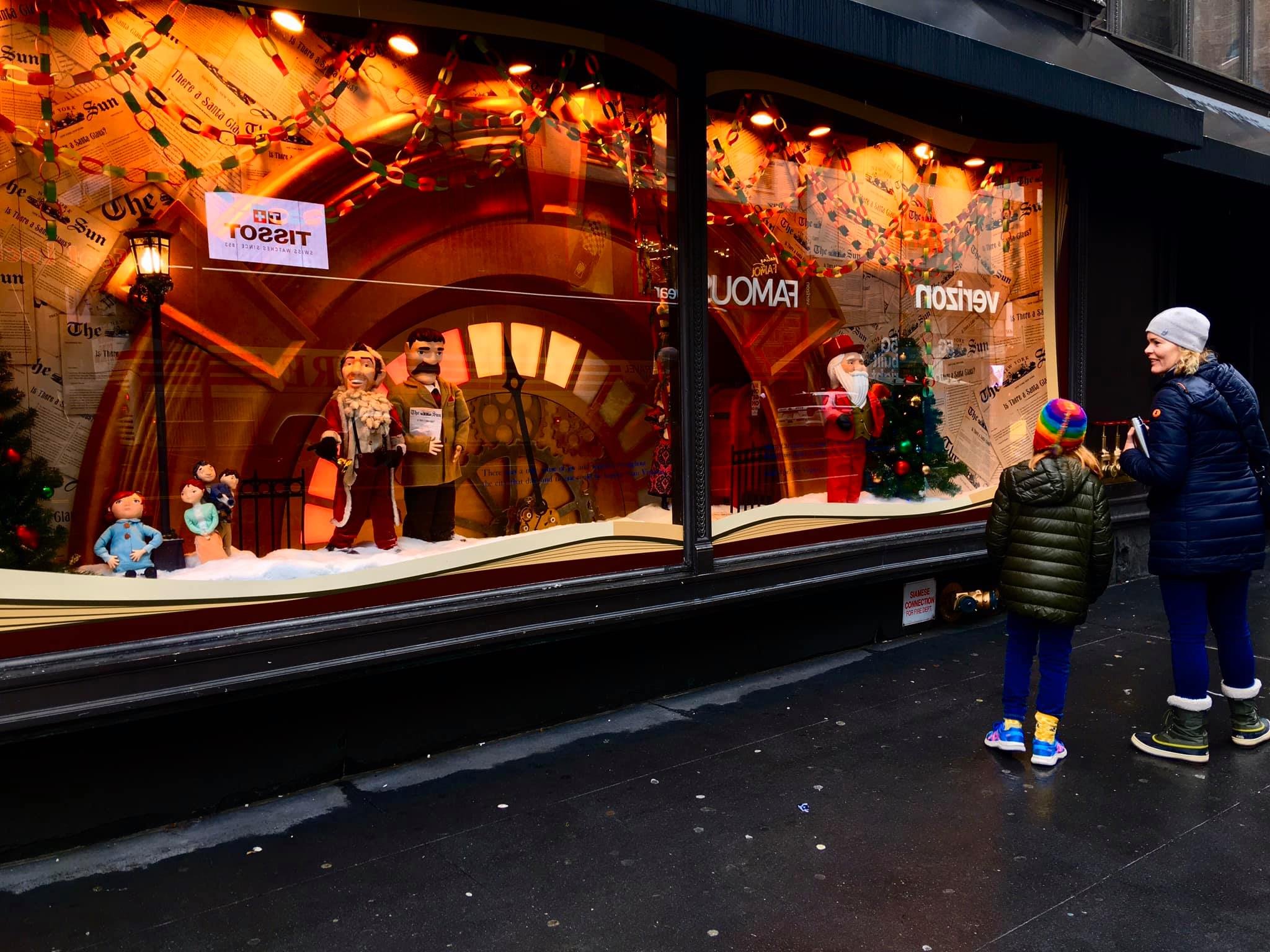
Susan, my wife, had always wanted to visit NYC during Christmas to see the famous shop window decorations. We finally did it, right before Covid hit a month or two later and changed everything. So some of the pictures we share may not represent current reality, but we have attempted to research and note if, say a restaurant, has changed since then.
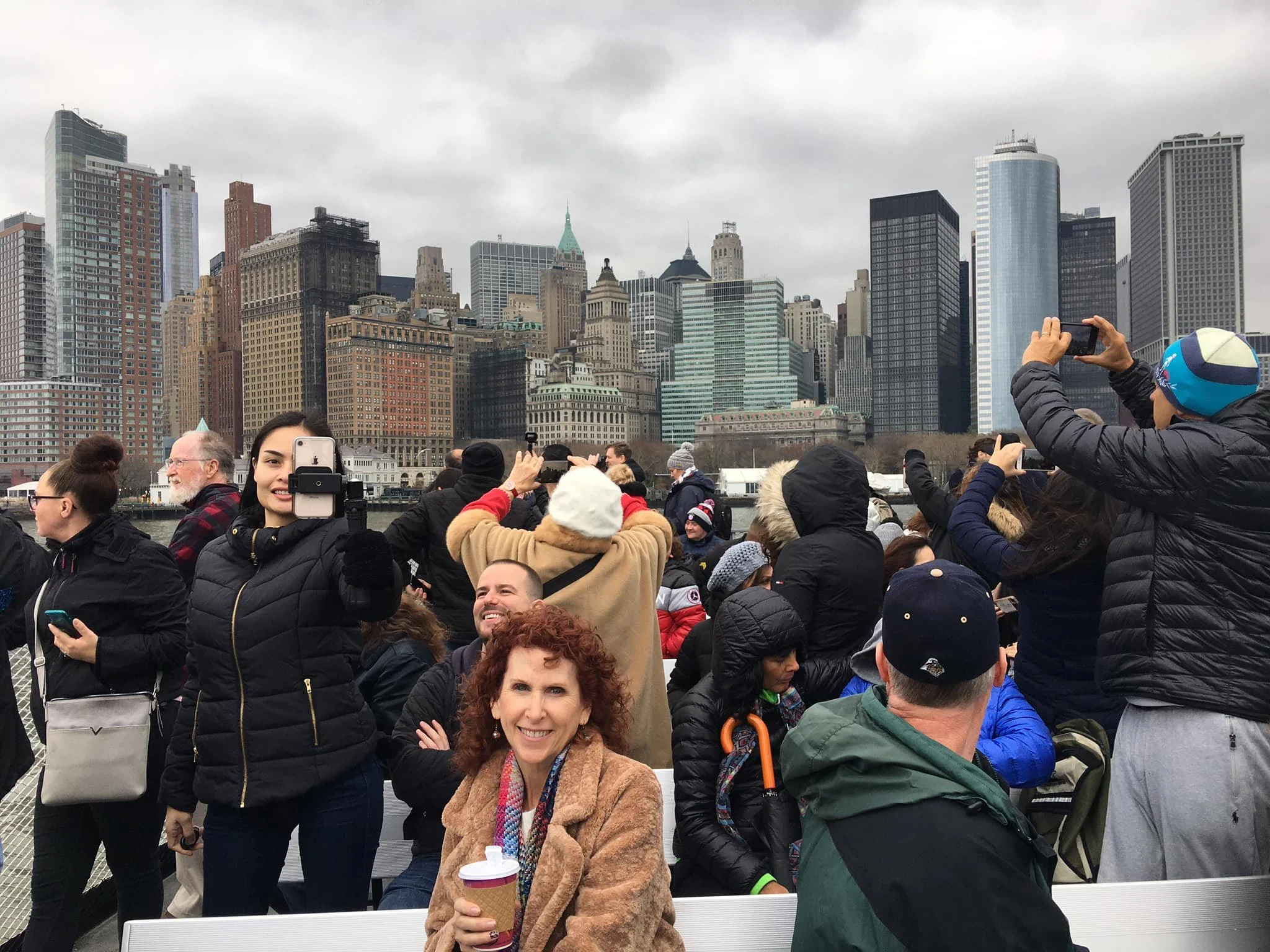
Various tribes of native people—the Munsee, Lenape and Wappinger—occupied Manhattan Island before various tribes of Europeans displaced them. First there were the Dutch, then the English displaced them.
In 1626, the Dutch THOUGHT they purchased the island of Manhattan from the native Lenape tribe for a paltry $24 worth of trinkets. The Lenape THOUGHT they leased the right to the Dutch for the Europeans to settle there in peace, but still had hunting rights. And so goes all misconceptions and miscommunications that create conflict.
Eventually the settlers built a wall around the “city” for protection, as was their custom. But they still conducted trade and eventually a road formed along the wall for the ease of transporting goods. This eventually evolved into today’s WALL STREET, still the center of trade.
In 1664, the English took control of the area and renamed it New York, after the Duke of York who later became King James II. As the town grew from its origins down on the southern tip of Manhattan, the only place for it to grow was up north, farther upward on the island as it gobbled up farmland. Thus...Downtown (South) and Uptown (north). It took us a couple days to figure this out as we tried to navigate the subway system. Getting on the wrong train multiple times shortens the learning curve.
Forget About Using Your Car!
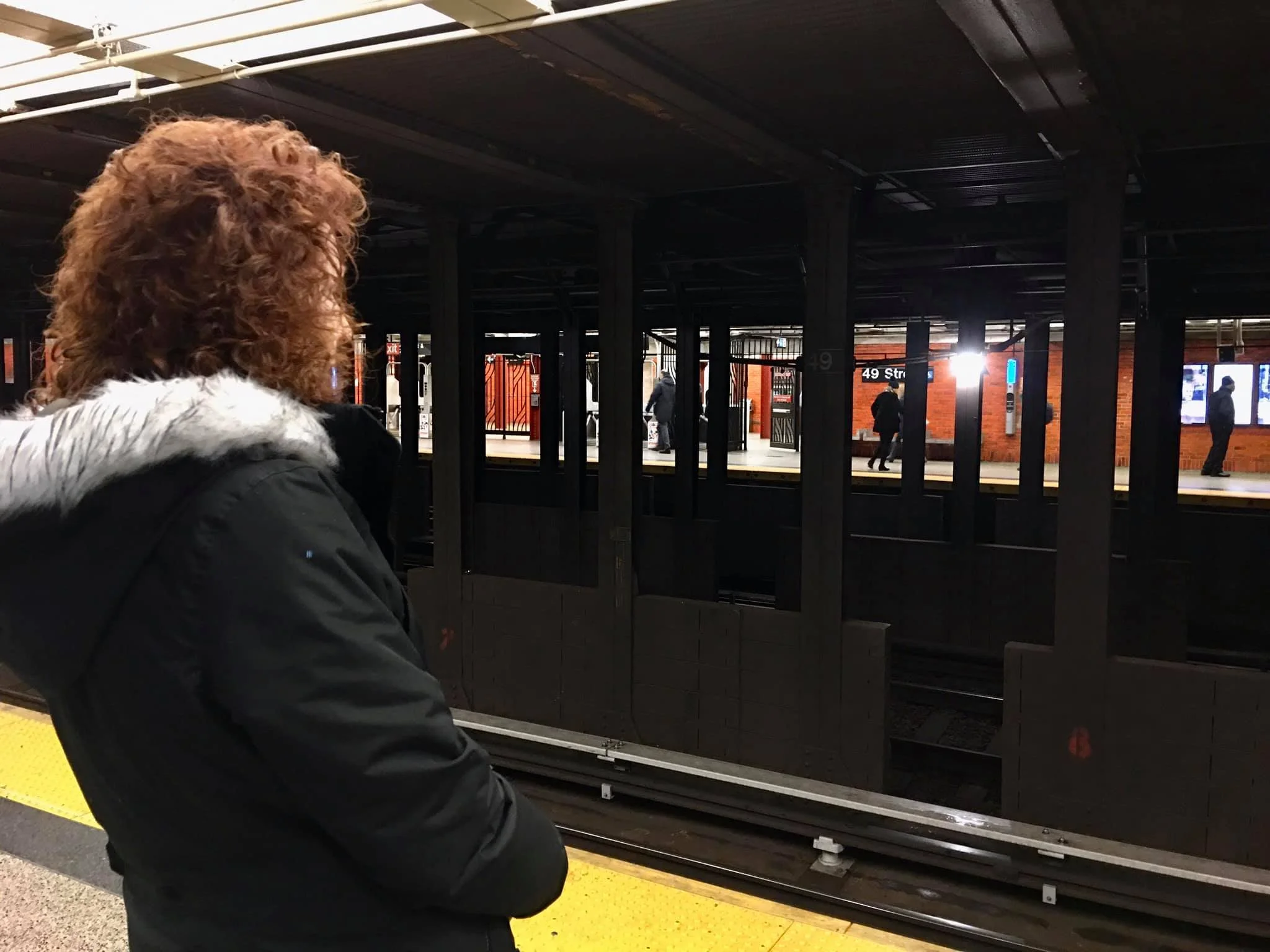
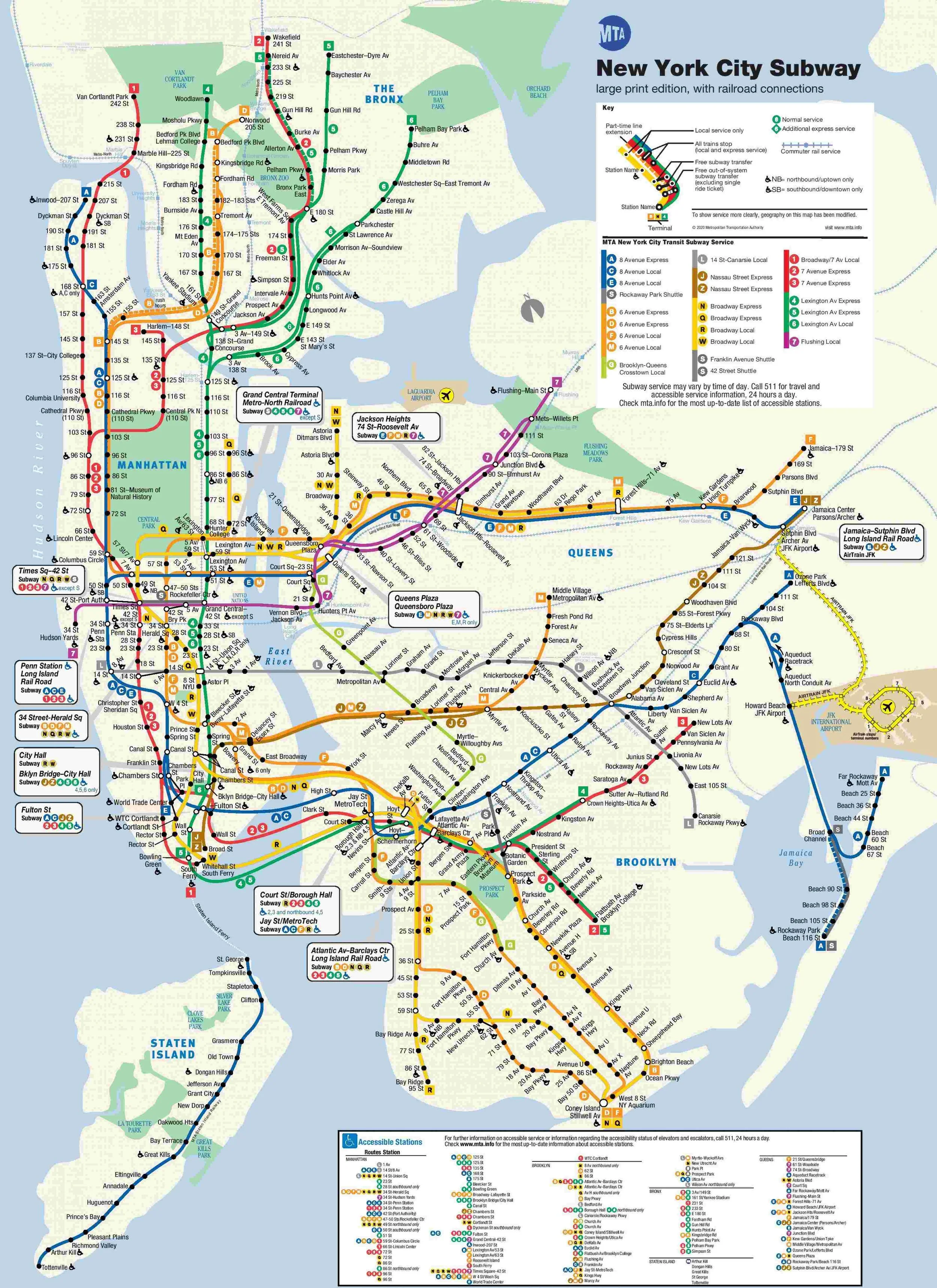
In stark contrast to the rest of the country, driving is NOT the most efficient way to get around. It’s either Cab, Bus or Subway. Before you do anything else, you should familiarize yourself with the NYC Subway system! It is by far the most efficient and fastest way to go from place to place. When we were there, it was safe, however, later it was not. Hopefully things have reverted back by now.
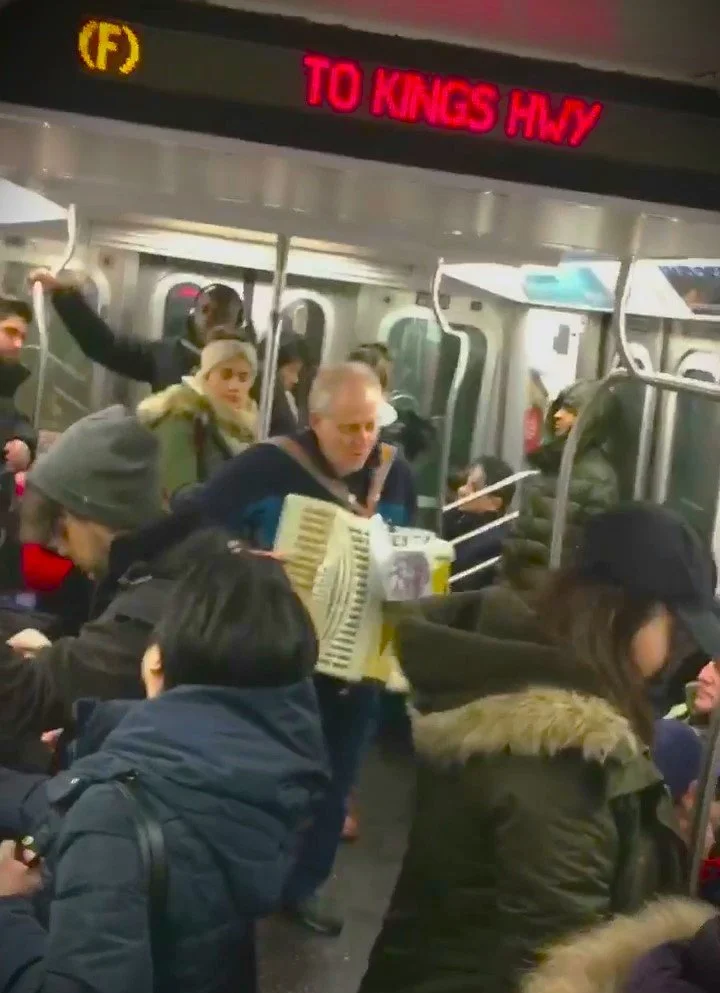
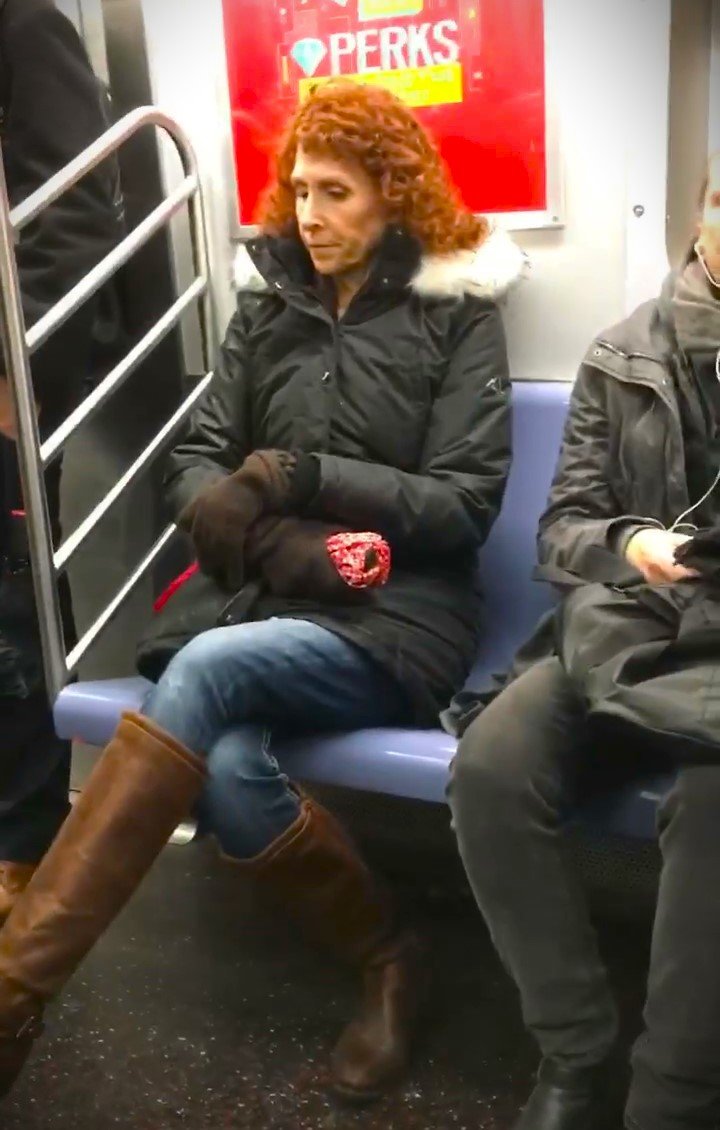
Our “seasoned advisors” warned us to stay to ourselves, don’t make eye contact with anyone and don’t react to anything going on. As Southerners, do you have any idea how hard that is to do? All sorts of strange things happened! And then, these guys just exploded into the car at one of the stops. We thought they were great, but we were afraid to let them know! See Video.
For street, food places and attractions, you need a good overall map to help you navigate and see where things are. This is one of the best we’ve found. You can zoom in or out to get your bearings and the closer in you zoom, the more hotels, restaurants, businesses and attractions you see.
Grand Central Terminal
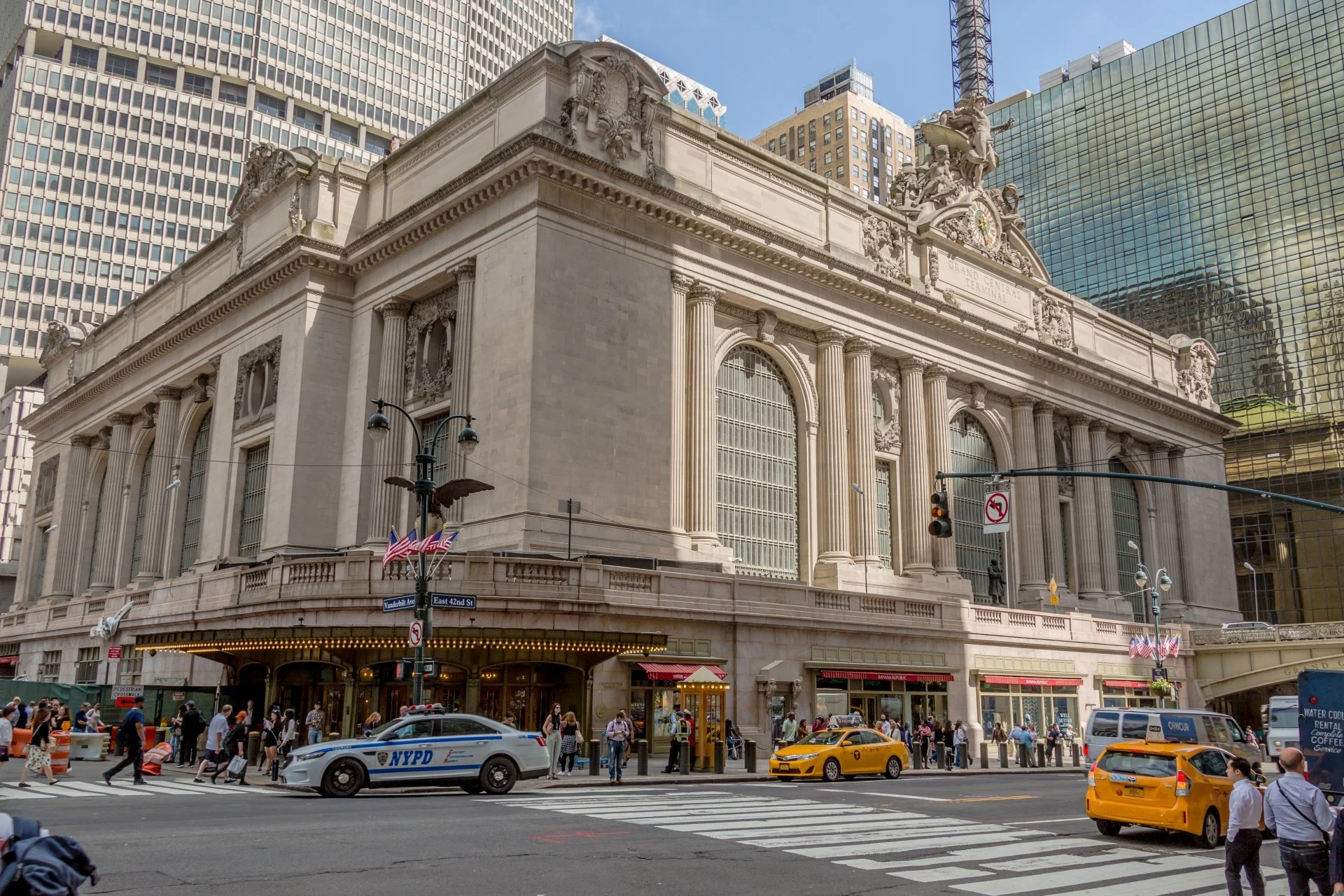
Grand Central Terminal is not just a central train terminal—it’s one of the most-visited destinations in NYC for a reason: you can learn its history on a guided tour, architecture, dining, and shopping, all under one magnificent roof.
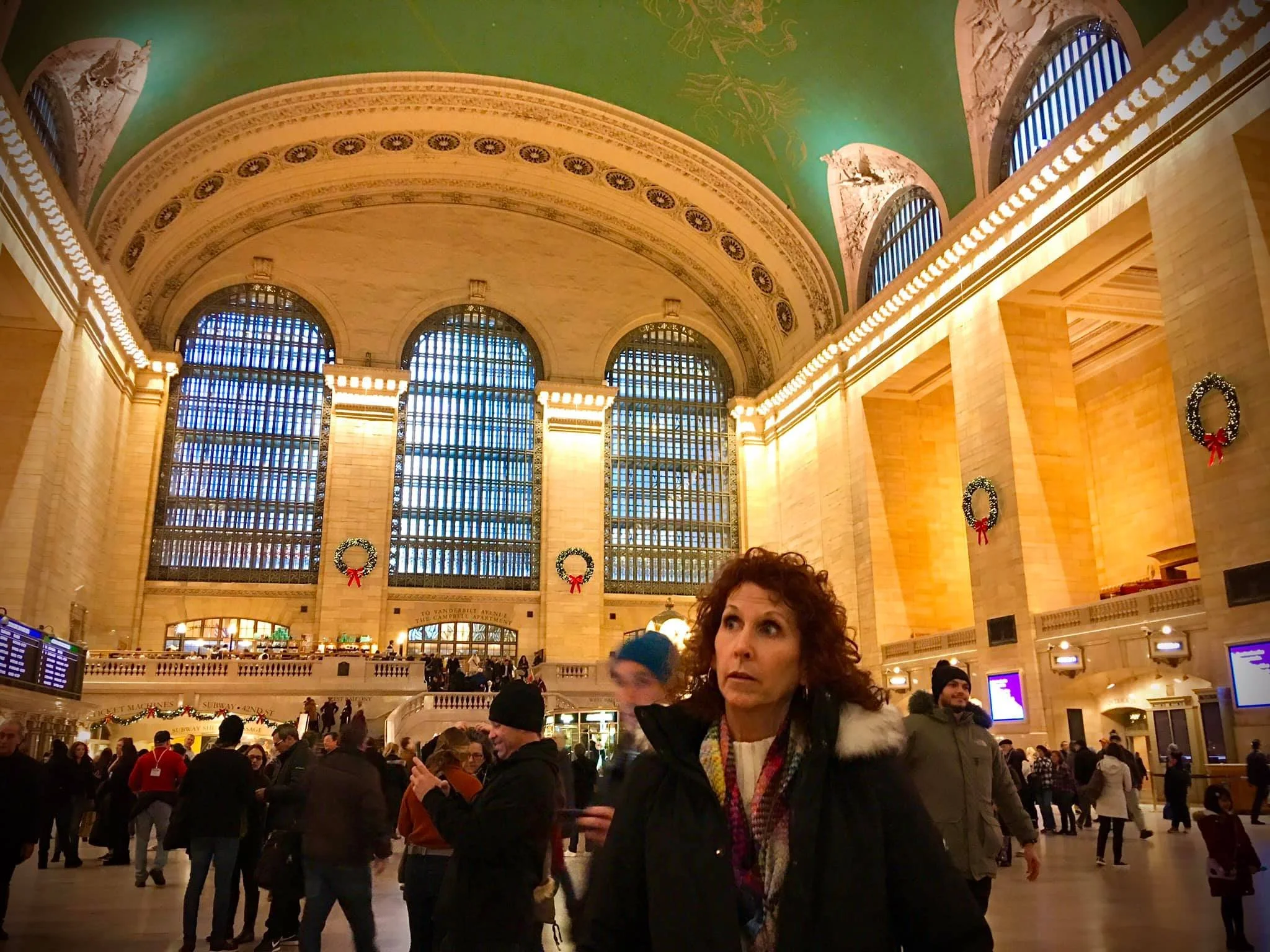
Main concourse of Grand Central Station. Remember that unforgettable opening scene from the movie K-PAX?
67 million passengers a year use this station. Grand Central has over 20 million visitors a year, excluding train and subway passengers. Opened in 1913, it covers 48 acres and has 44 platforms, all below ground, more than any other station in the world. There are 67 tracks, 43 of which are used for passenger service and the rest simply storing trains.
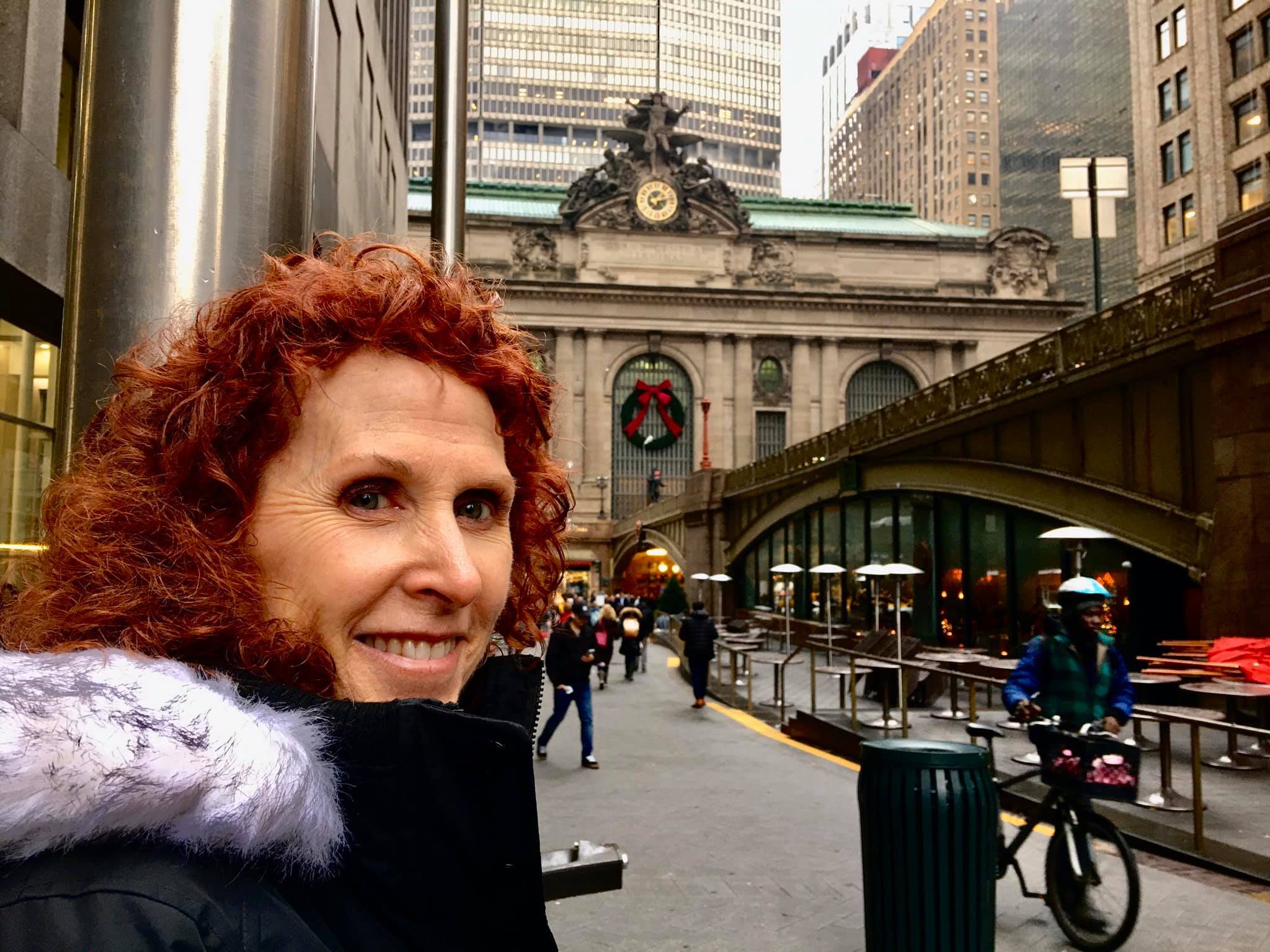
Grand Central Station, street entrance
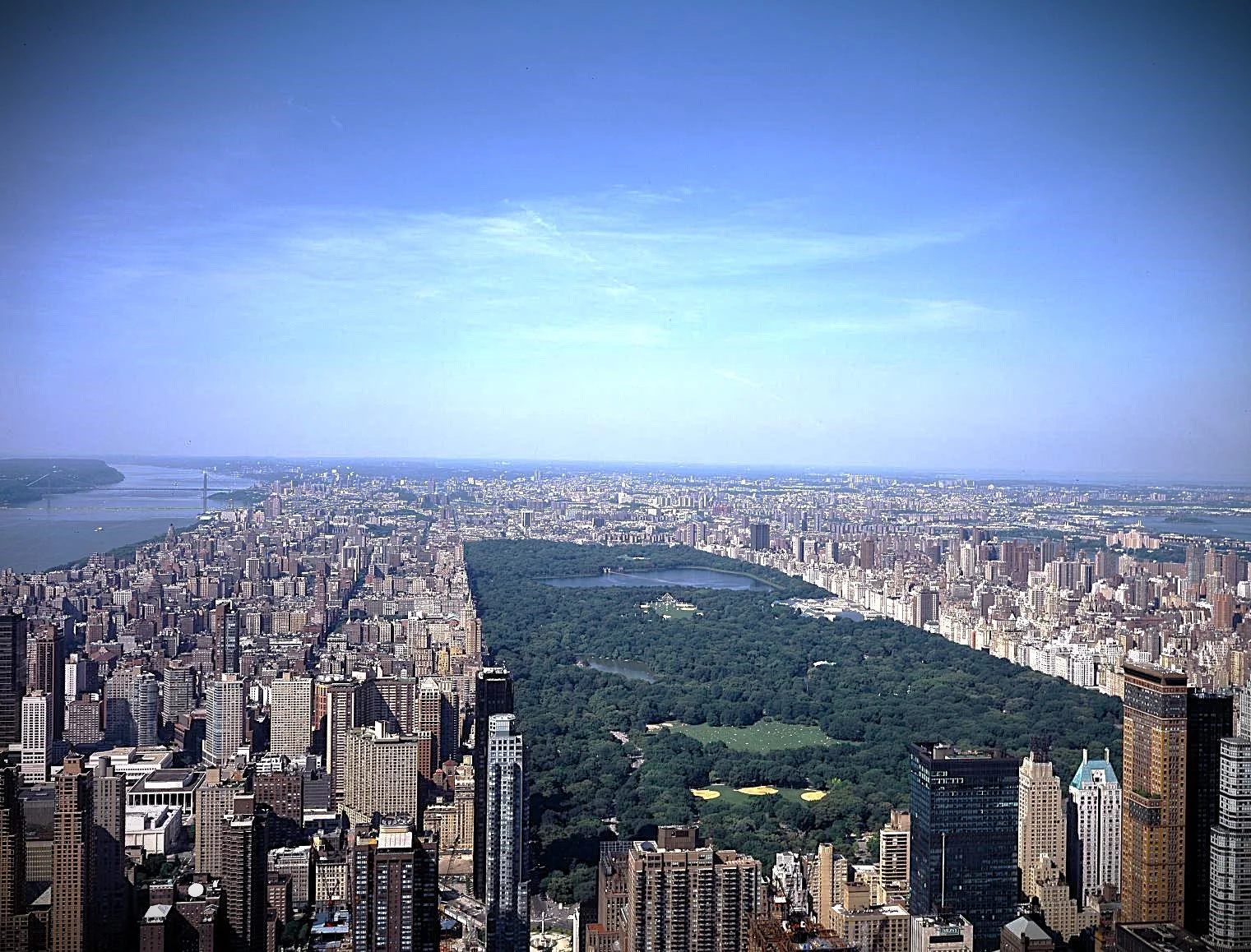
Central Park
Central Park is the first landscaped park in the United States. It was first proposed in the 1840s, and the first areas of a 778-acre park opened in 1858. It is bordered by the Upper East side of NYC and the Upper West Side. To the north it is bordered by Harlem, and on the south, Midtown Manhattan.
By the early 1800s , NYC was growing exponentially and was the largest city in the US. Since Manhattan was rapidly expanding north into the countryside erratically, a need was recognized to have public natural spaces to escape the congestion of the city.
In 1810, a survey had been done by John Randal, Jr, to map out the grid for the city. That made the formation of a park an immensely easier task. Randal had hammered up to 1,000 iron bolts at various potential intersections, wading through creeks and marshes, hacking his way through the unkempt farmland with an ax.
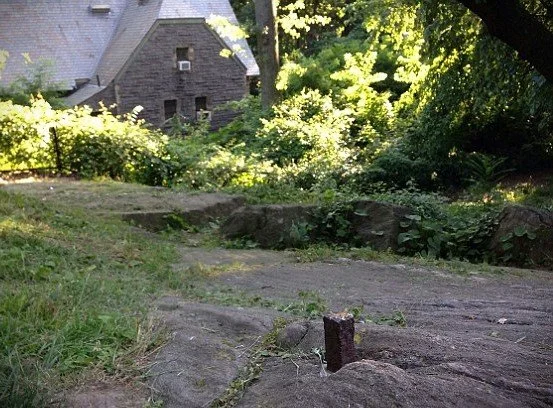
More than 200 years later, the only known survey bolt left from John Randal’s grid is in Central Park at what would have been the corner of 65th St. and Sixth Avenue. Go find it!
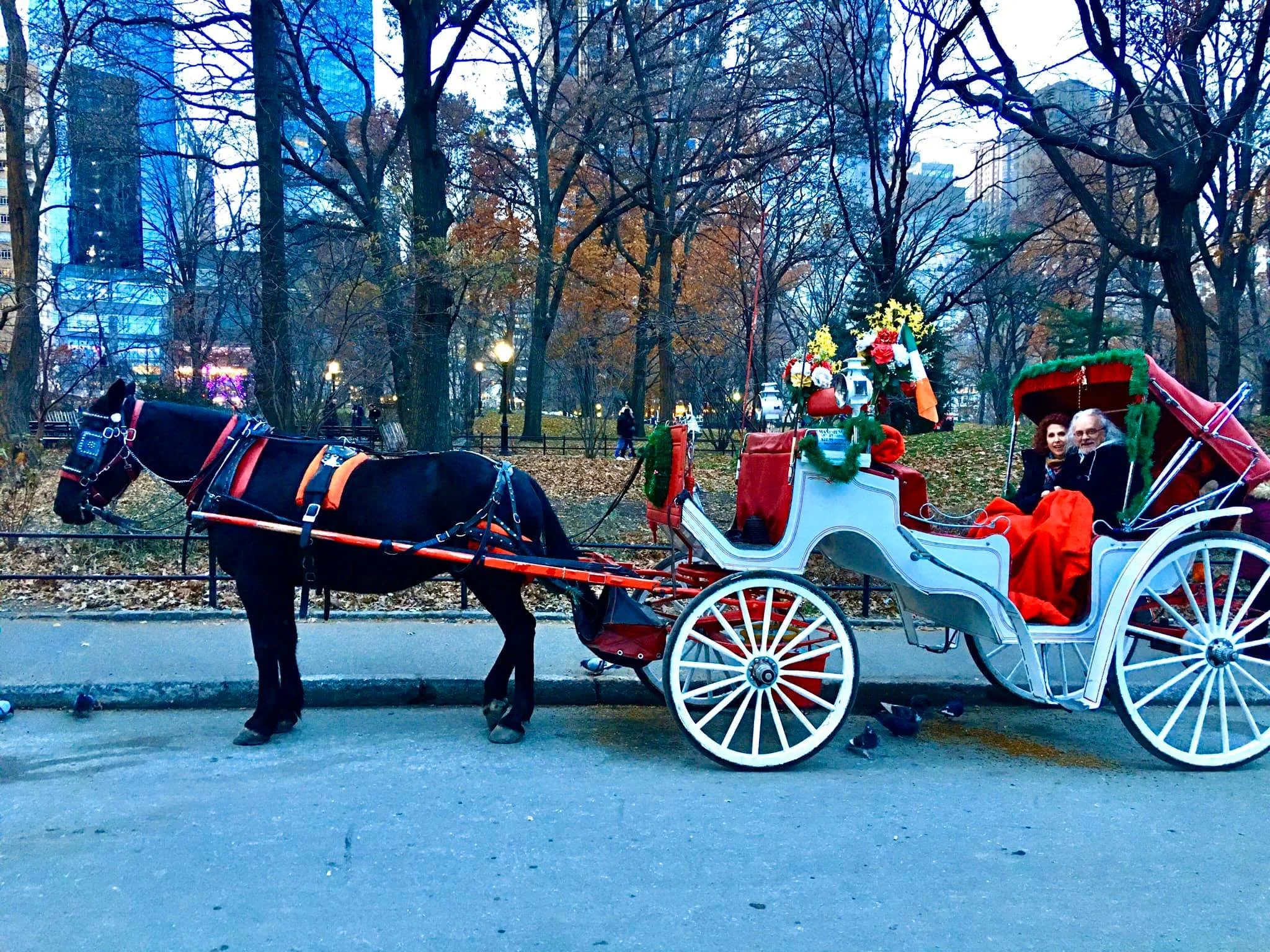
We began with a tour of Central Park. Susan had always dreamed of taking a carriage ride through the park, so we filled one item on her bucket list. They’re lined up waiting for you!
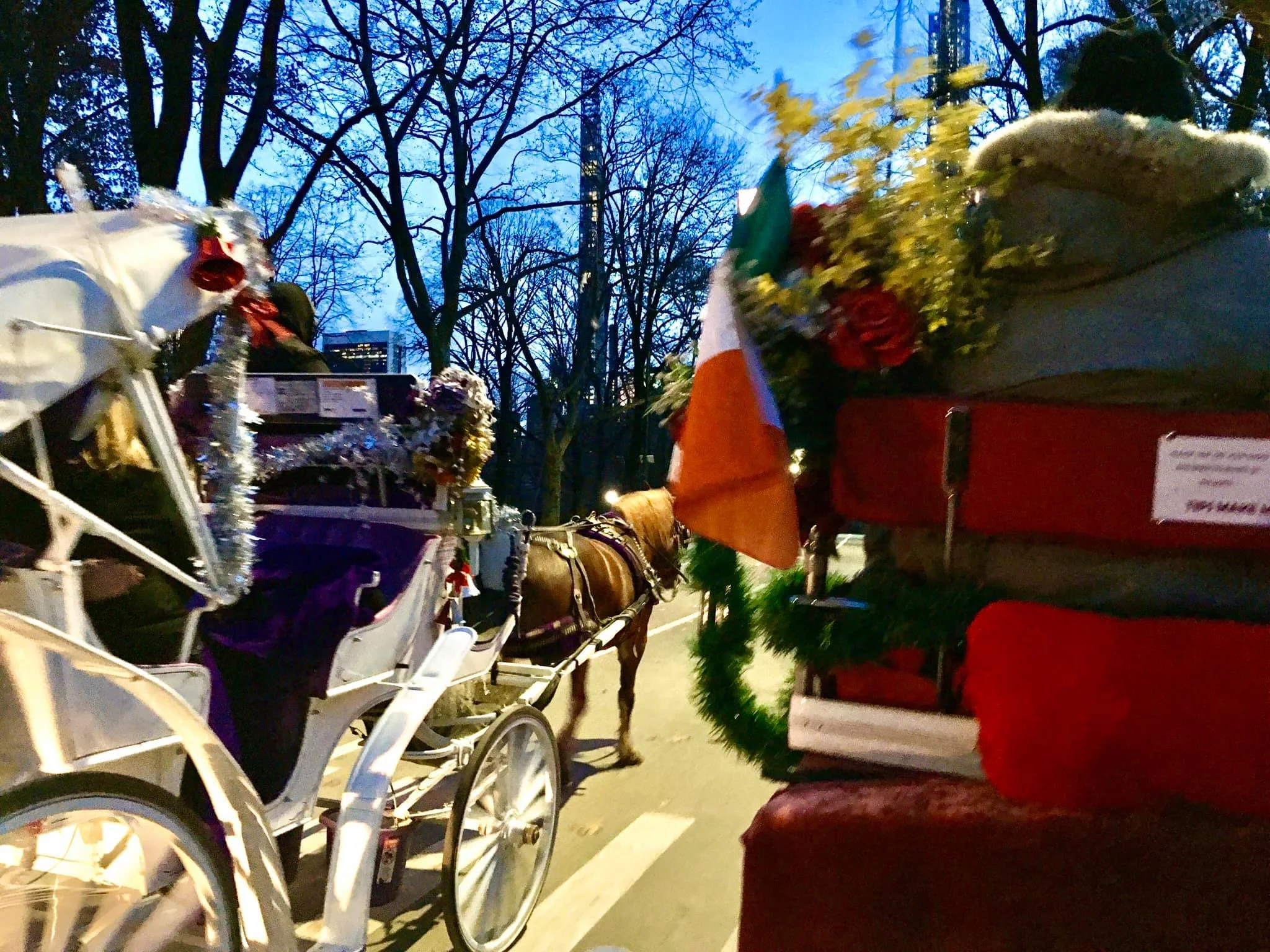
Nothing like being passed by a horse drawn carriage!
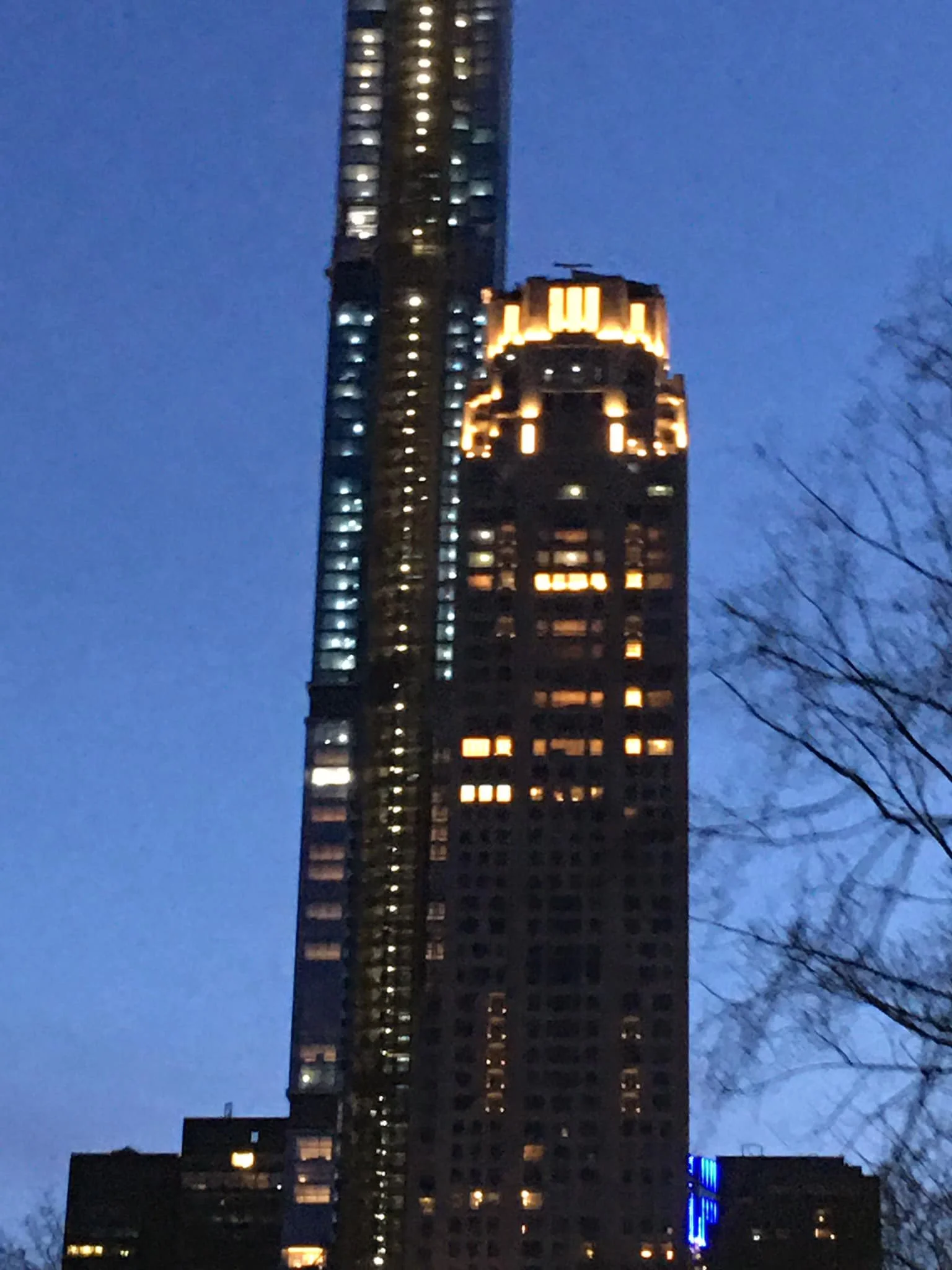
See those top 3 floors? It’s a 3 story penthouse overlooking Central Park that just sold for 238 MILLION DOLLARS!!!!!
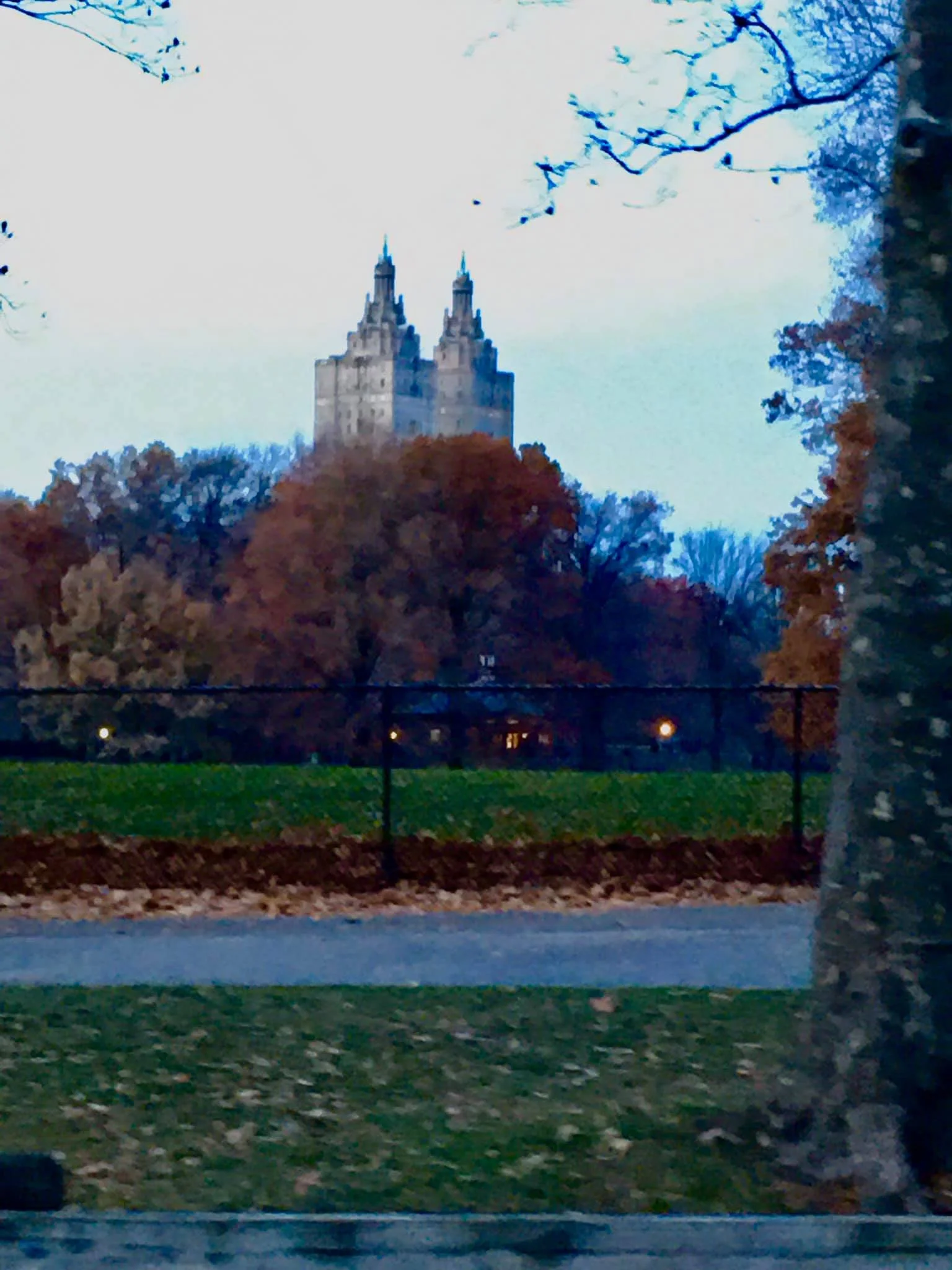
The twin towers from the movie “Ghost Busters“
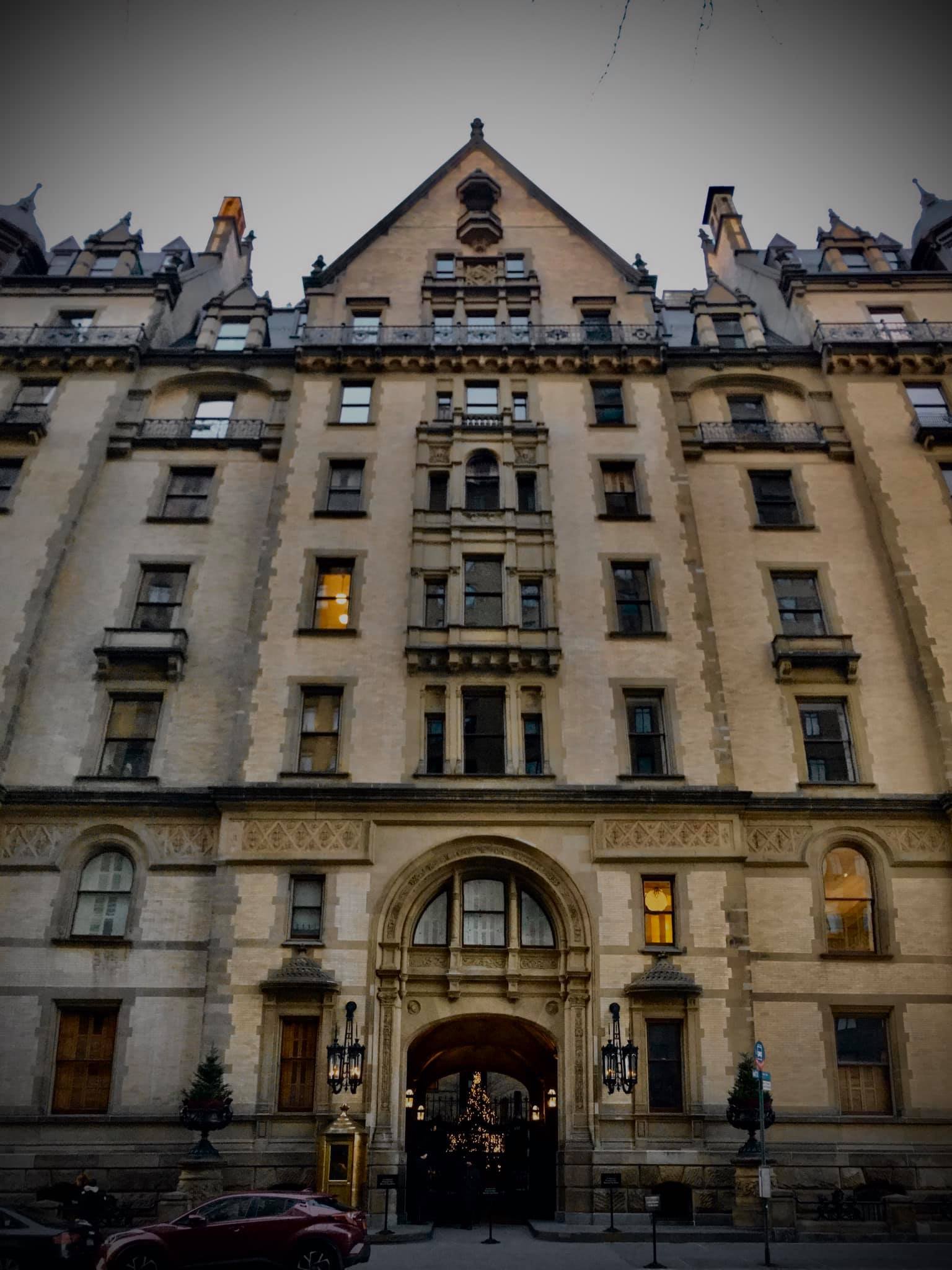
The Dakota, where John Lennon, one of the Beatles band, was shot just to the right of that entranceway.
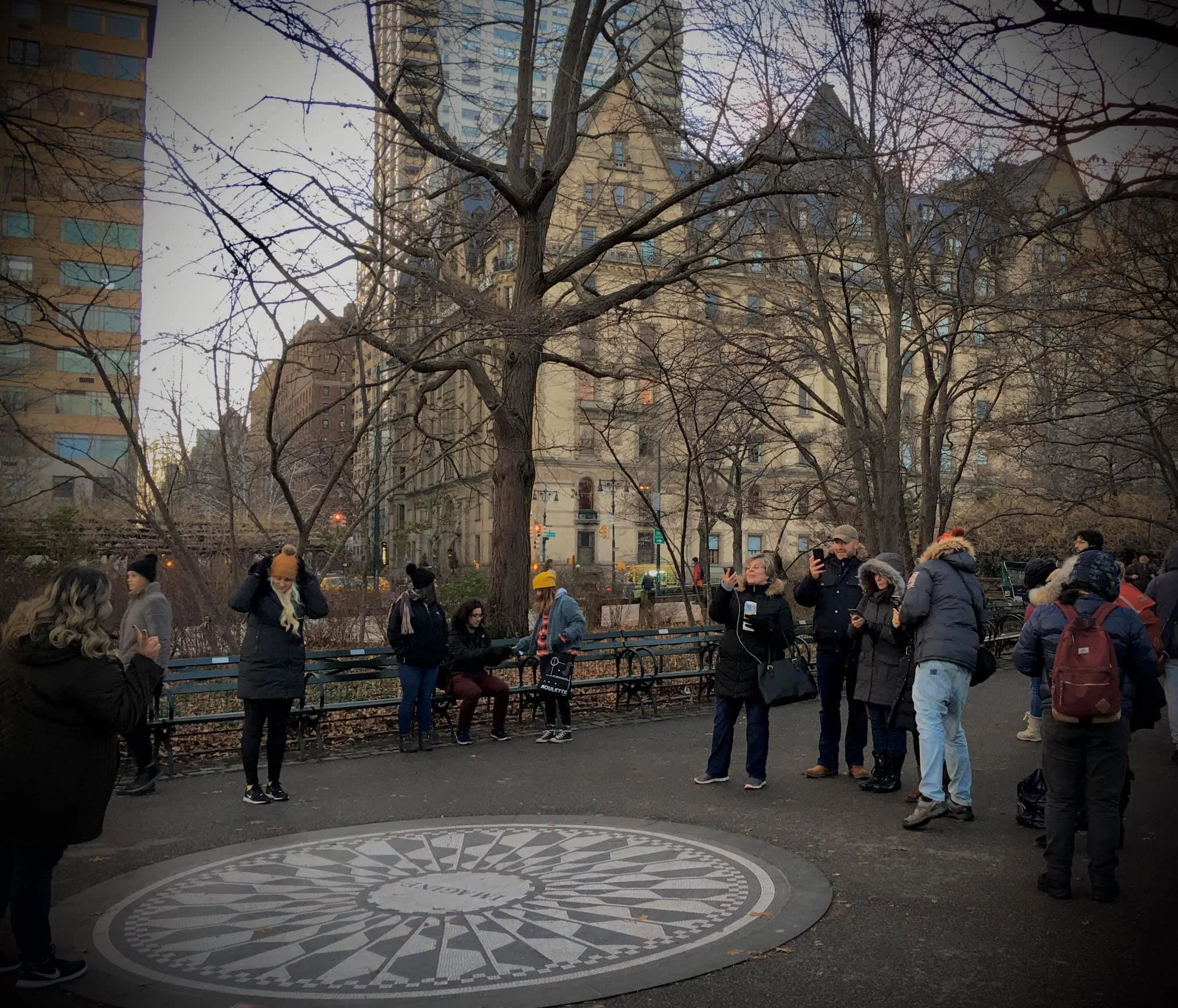
The Dakota sits on the edge of Central Park at Strawberry Fields as you can see. It is said one of these trees bear the initials of John and Yoko carved by them because they loved this location so much. We never found it. Maybe YOU can!
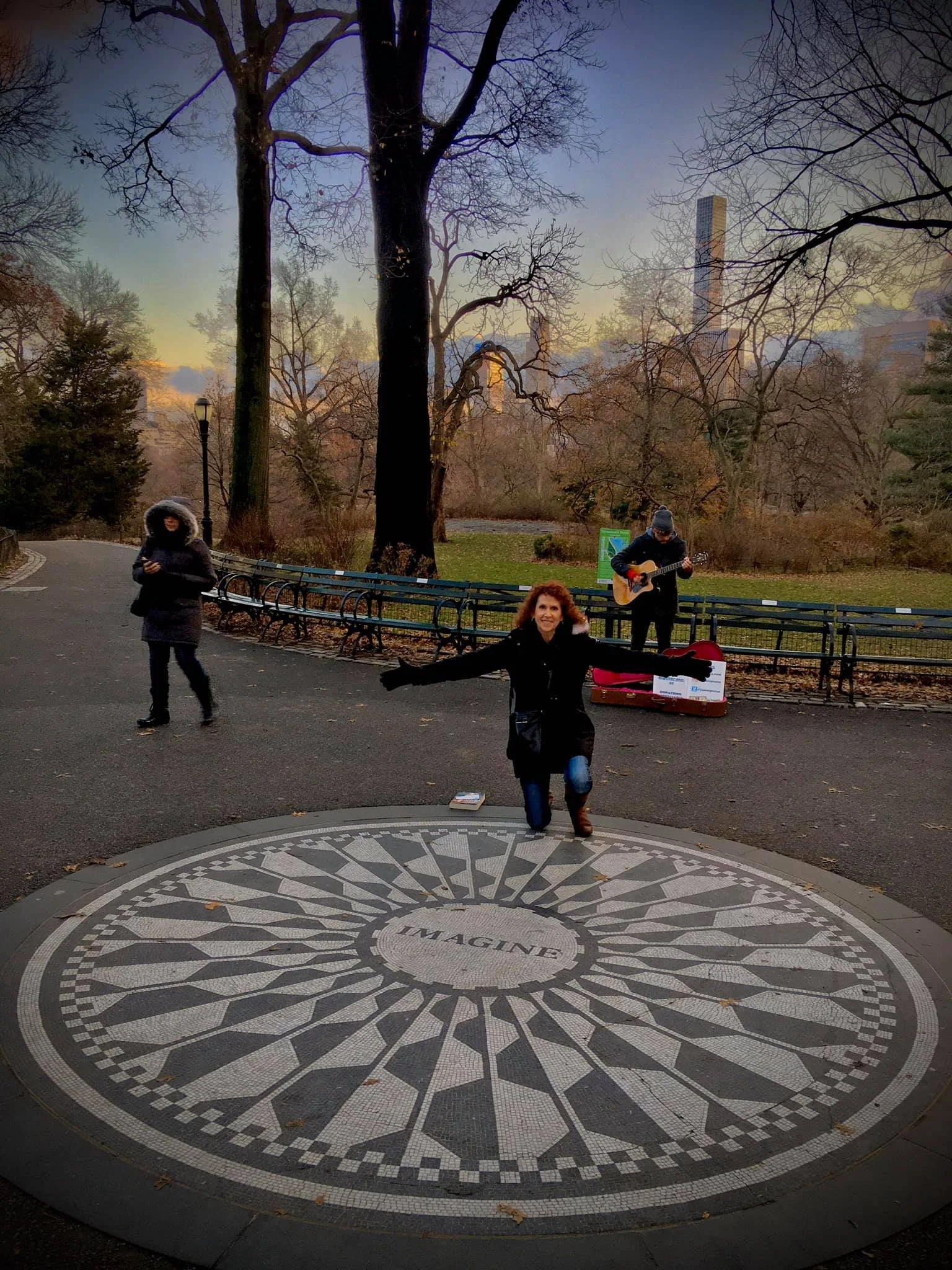
The memorial to John Lennon, noting his hit song, Imagine, just steps into the Park
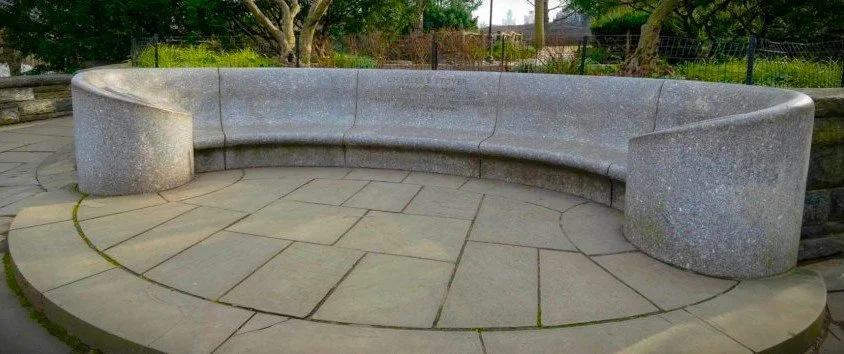
The “Whisper Bench” is so named because two people can sit opposite of each other, whisper, and still be heard. It is located in Shakespeare Garden, a beautifully landscaped area in the summer, close to the American Museum of Natural History on the west side of the Park. Shakespeare Garden is also home to the Delacore Theater, where Shakespeare in the Park performances are held free.
If you’re walking in the park and not sure where you are in relation to the surrounding streets, just look for a light pole. All—or most—of them have four numbers visible. The first two numbers are what street you are closest to (example: 61st St). The second set of numbers indicate whether you are closer to the west side of the park or the east side.
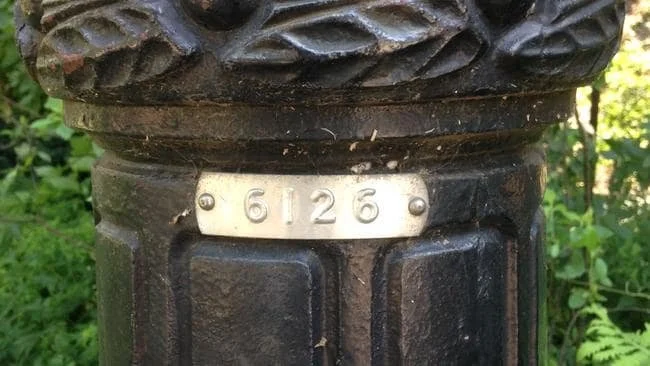
On the second set of numbers, if they are odd, you are closer to the East Side. If they are even, you are closer to the West Side. Example: 61/26 would mean you are closest to West 61st. 61/27 would mean you are closest to East 61st.
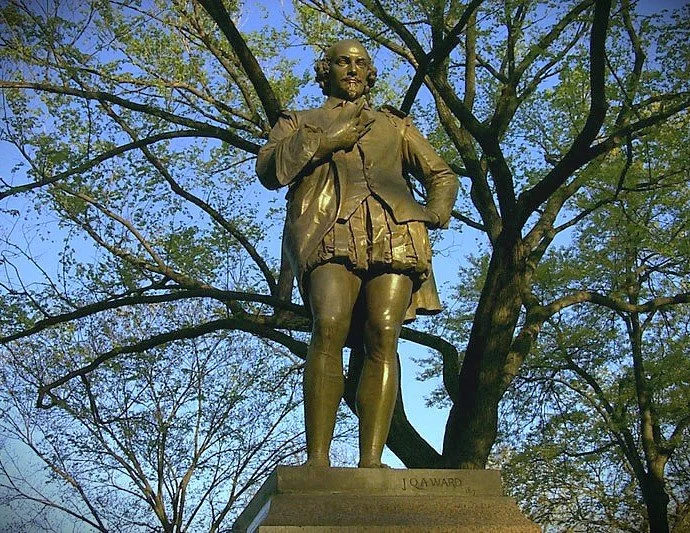
The Sculpture of Shakespeare is found at the Literary Walk on the South end of the Park near the Zoo. An interesting note: Shakespeare’s Julius Caesar was performed in 1864 to help raise money for the statue. Playing Brutus was none other than John Wilkes Booth, assassin of Lincoln! Booth was also on the monument committee with prominent New Yorkers.
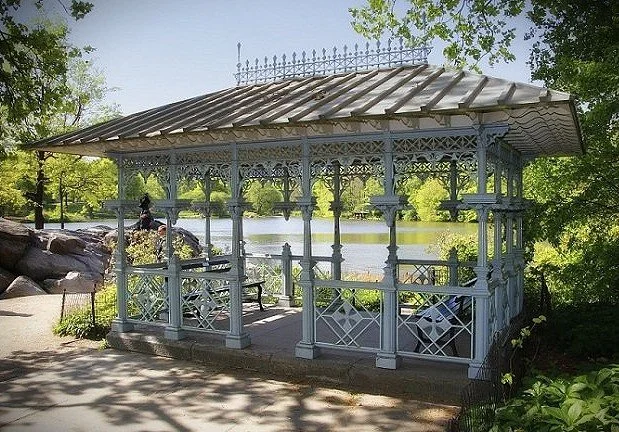
In 1871, the Ladies Pavilion (located on the upper west side of the park by W. 75th and W. 77th) was a shelter for those riding the trolly cars. It now overlooks the lake, but once it overlooked a Ladies-Only skating rink. In the early days, law enforcement kept male visitors from harassing and annoying women. In 1929, 250 men were arrested for just that.
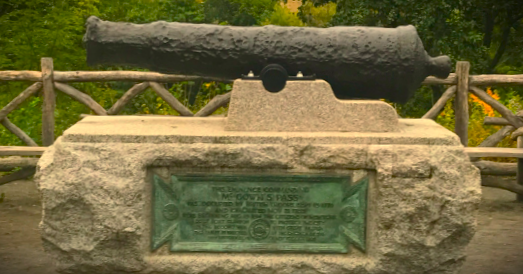
At Fort Clinton, at 107th Street, close to 5th Avenue, a Revolutionary War cannon was discovered to be still loaded with more than 800 grams of live gunpowder, cotton wadding and a cannonball. They were in the process of opening the capped 233 year old cannon when they made the discovery. It had been recovered from a British warship that sank in the East River back in 1780. They called in the bomb squad.
The NYPD released a statement: "We silenced British cannon fire in 1776, and we don't want to hear it again in Central Park."
So we had taken a bite of the Big Apple by enjoying Central Park and now we were ready to tackle that immense city. But how? We had researched and were cautiously ready to start using the subway to get to where we wanted, but we felt we needed an overall visual familiarity and become somewhat at ease with the area.
I found the solution by surprising Susan with a car tour around Manhattan in an old 1930s car with a personal tour guide!
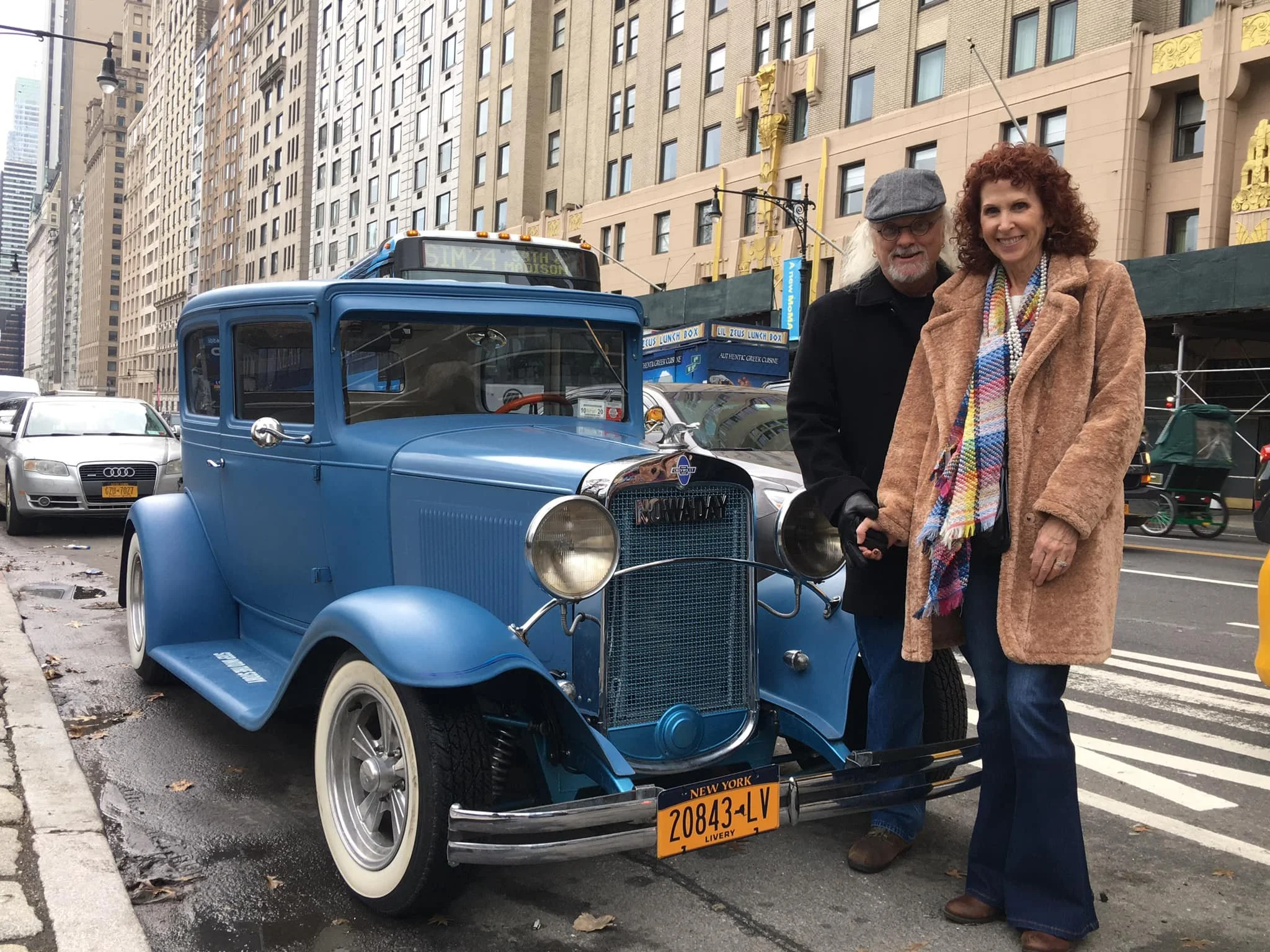
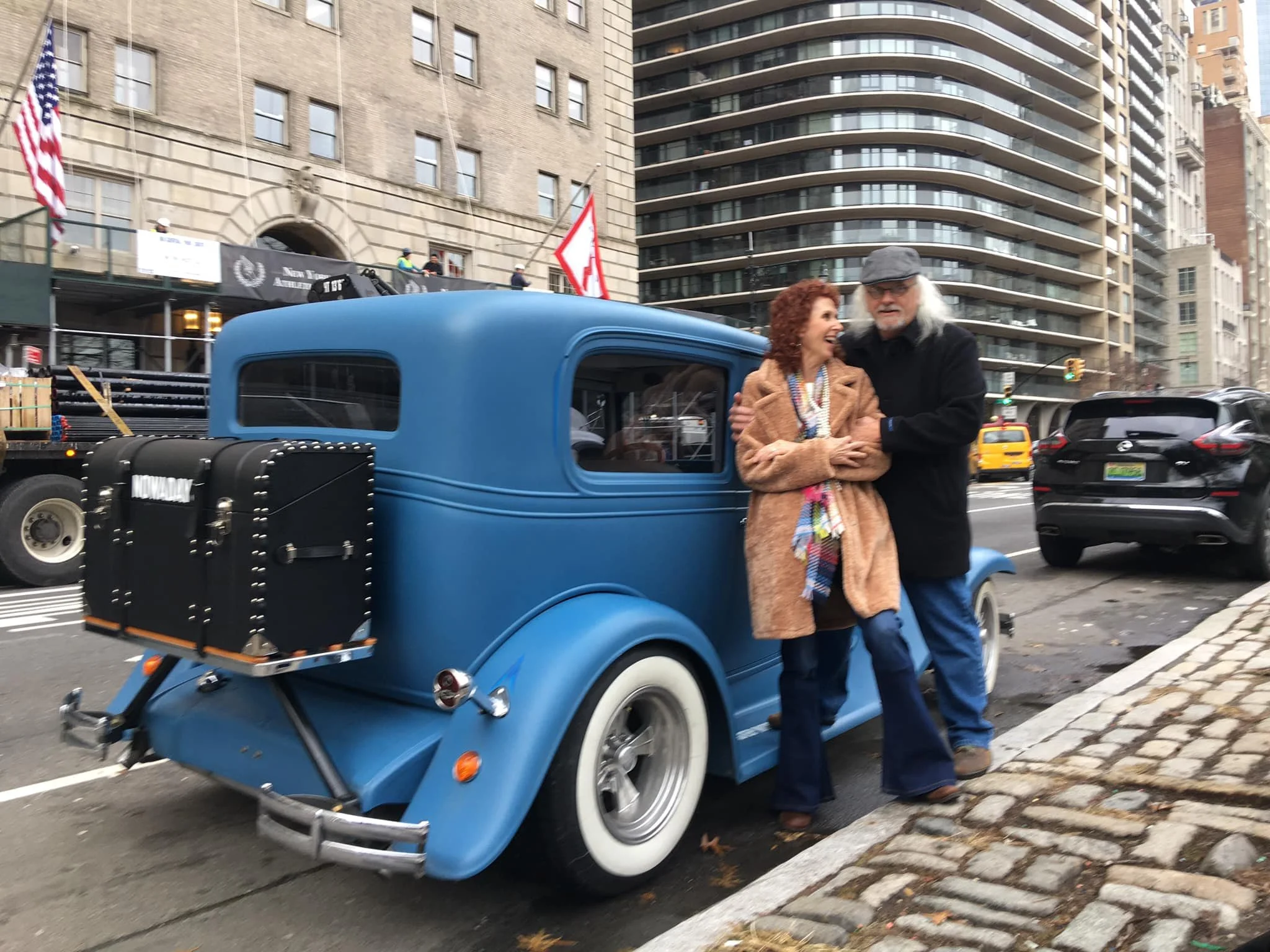
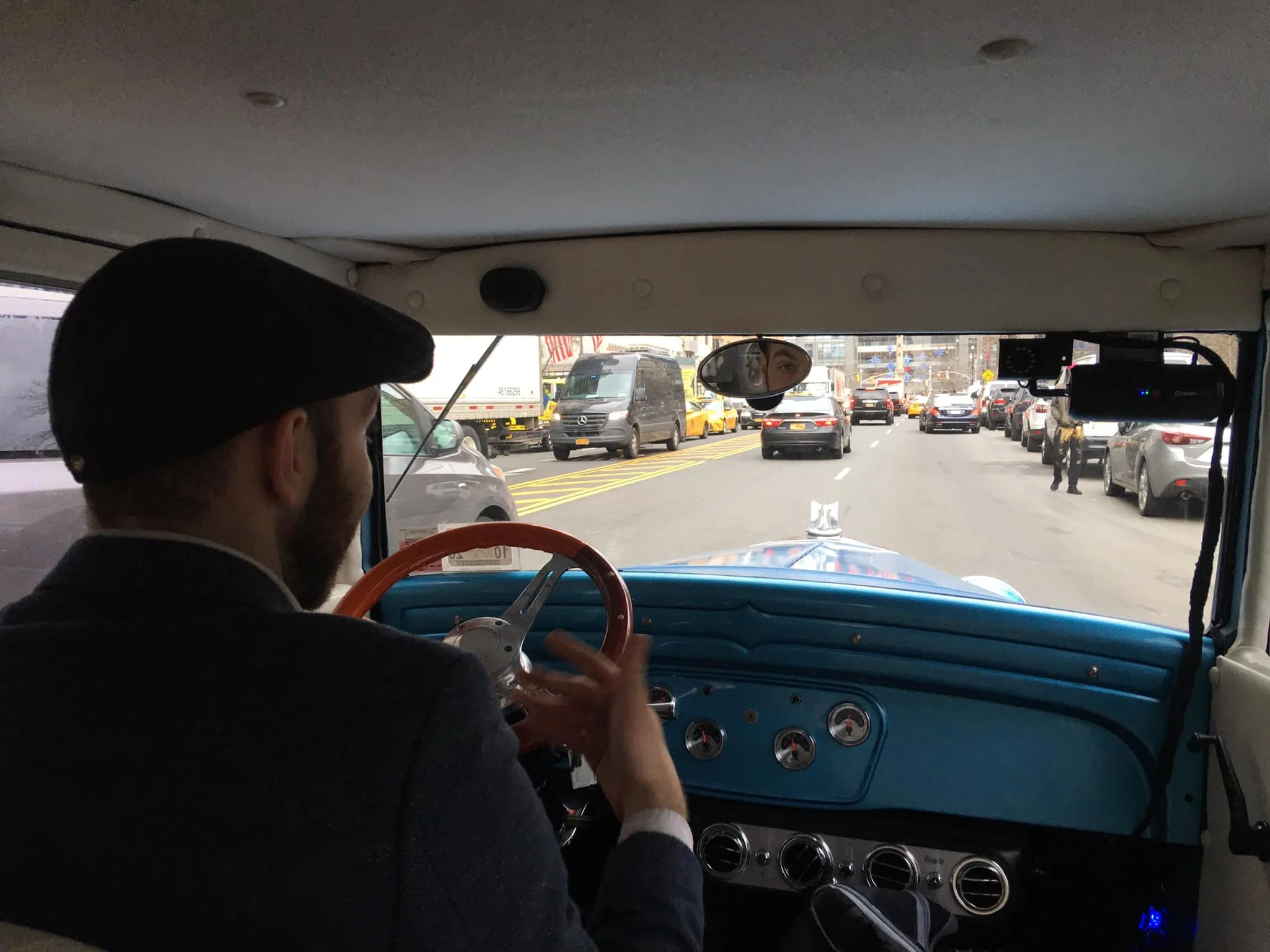
Our guide, Kyle, was AMAZING!!!! An actor supplementing his income, he was a plethora of intricate historical background, telling the story of NYC in a captivating way. But it wasn’t just a canned, memorized spiel. He interacted in conversation and questions with expertise.
Then we just started toodling around…
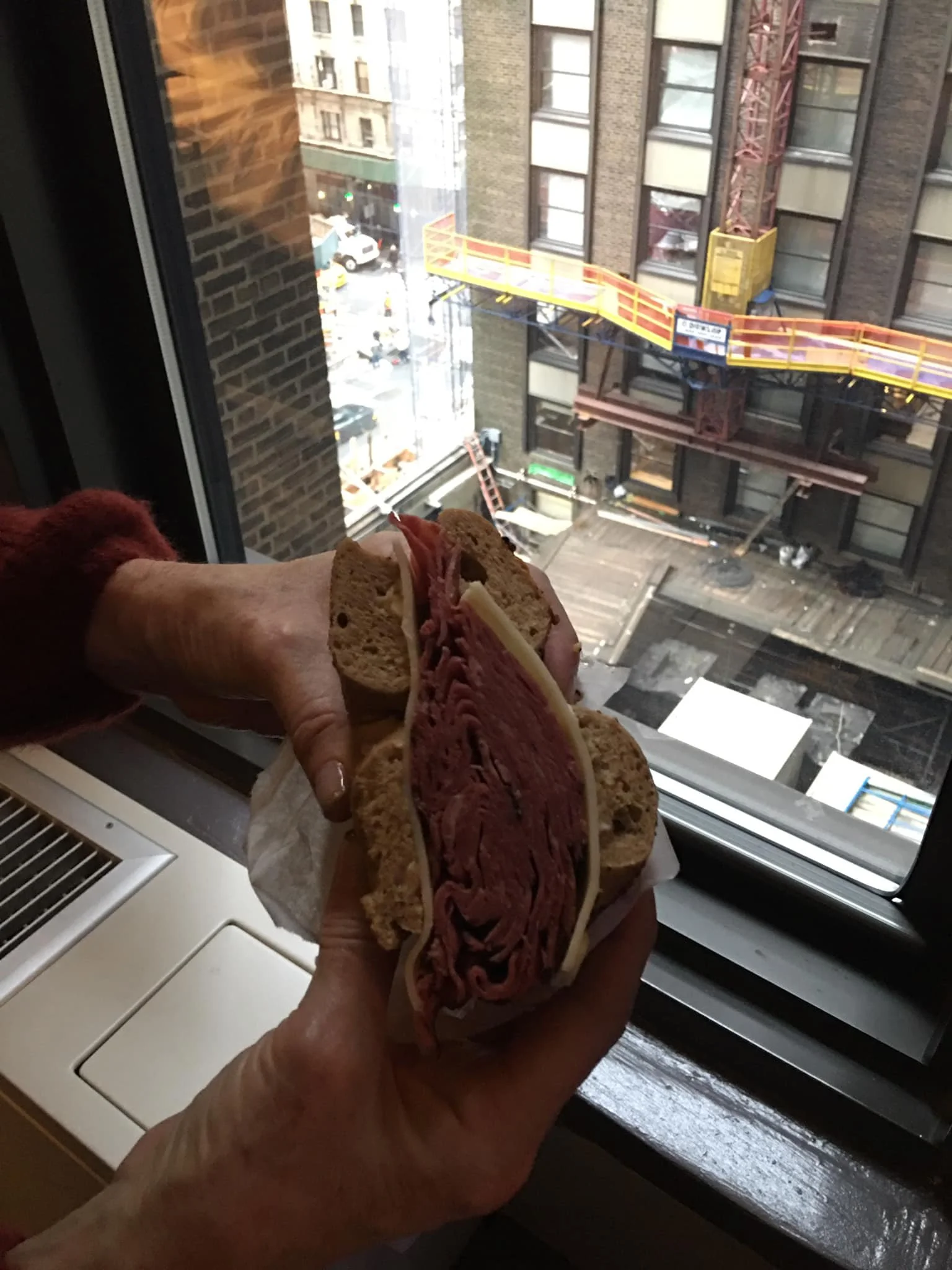
Just had to try one of those NY pastrami sandwiches we’d heard about in movies all our lives. You can find them on most blocks in the city in convenience stores they call “Bodega”. That’s Spanish for “warehouse”.
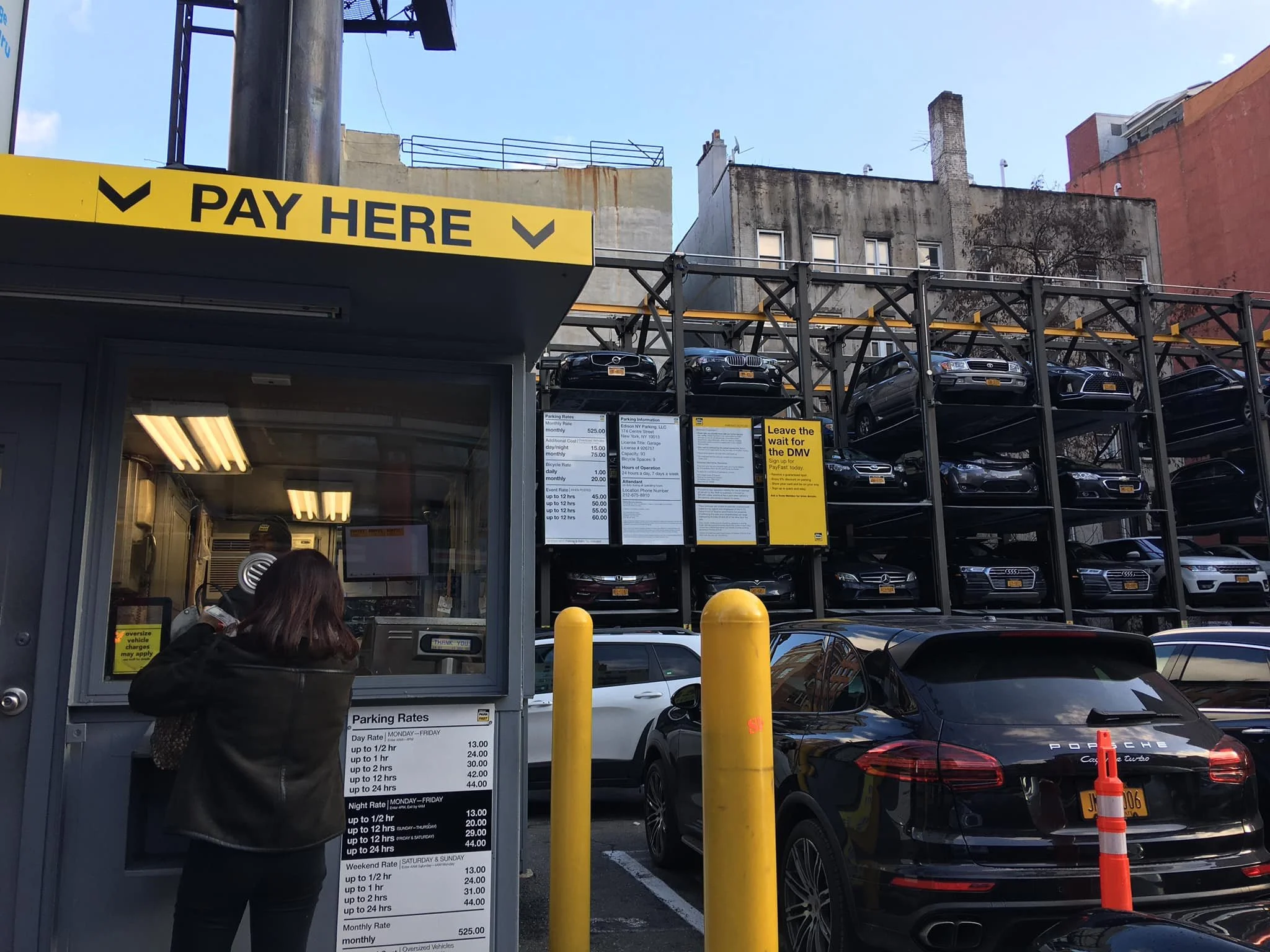
When you’re short on space and don’t want to use entrance and exit ramp space for a multiple level parking garage. Push the button and your car will revolve like a Ferris wheel til you can access it!
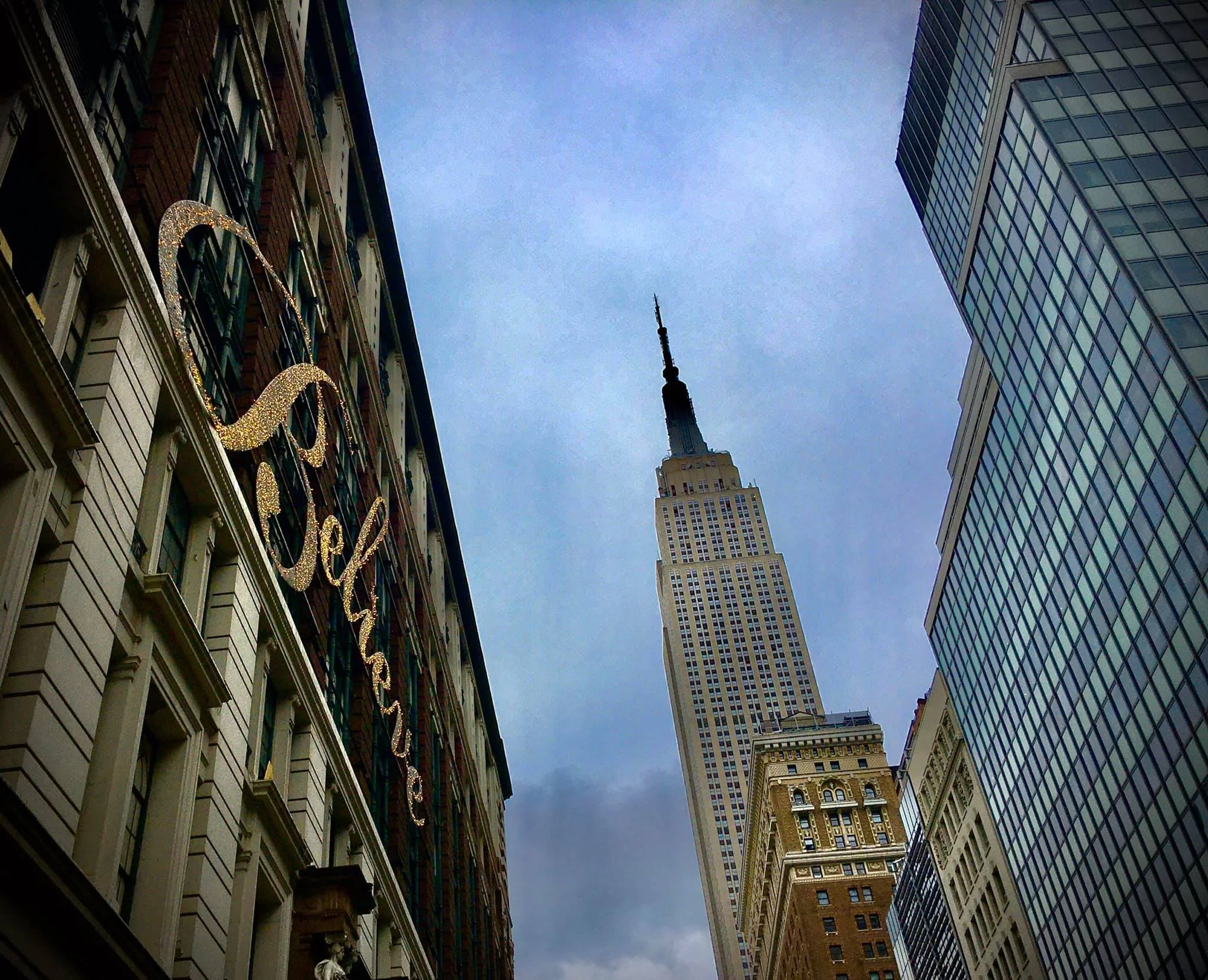
Wait…wait. Is that the 102 story Empire State Building built back in the middle of the Depression in 1931? And is that Macy’s to the left? The stories that have been woven around just these two New York City Icons! We thought of Macy’s and their movie hit!
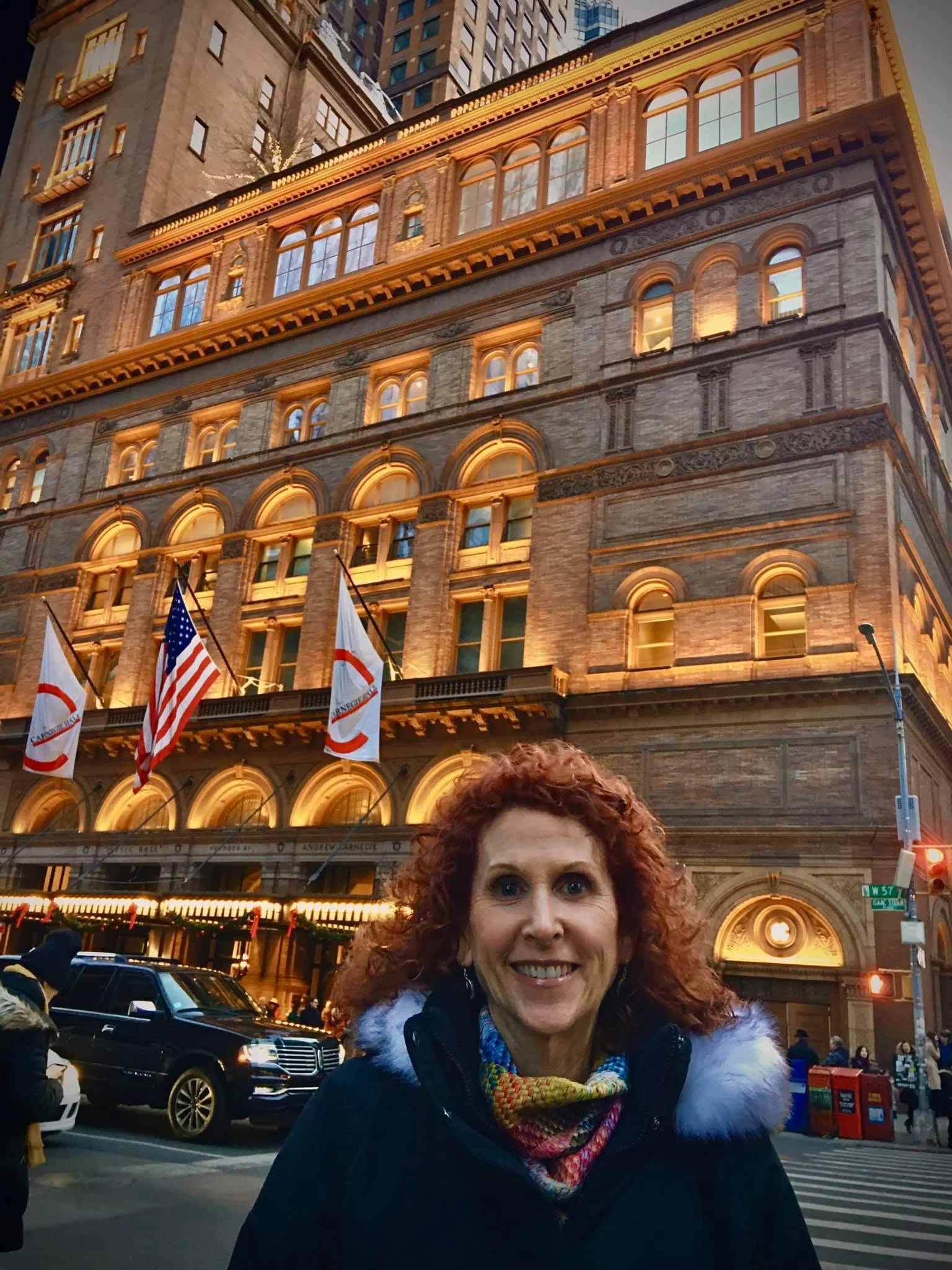
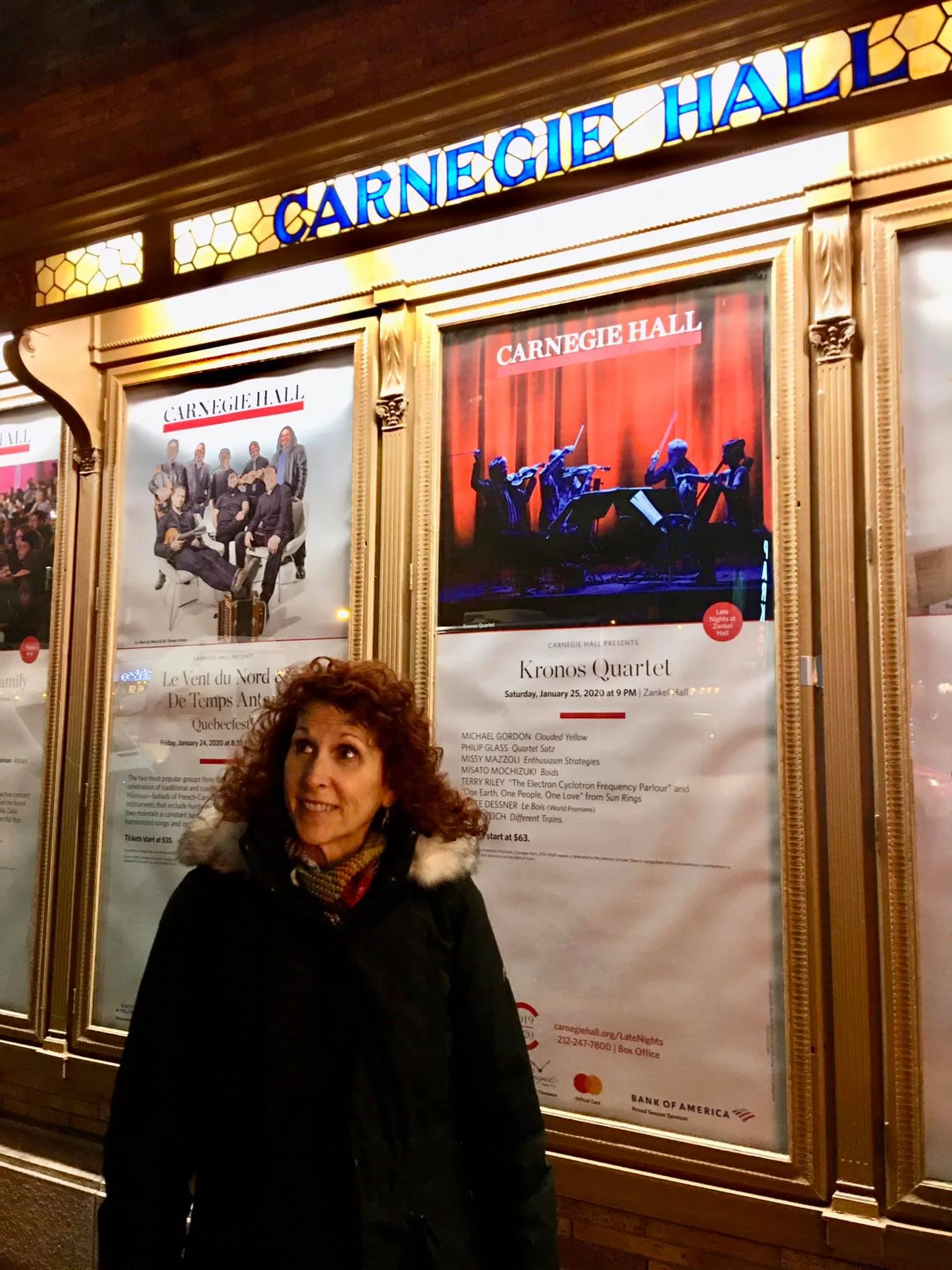
Across from our hotel, Park Central—which was the most reasonably priced hotel we could find with a convenient location—we were delighted to find Carnegie Hall! Built by Andrew Carnegie, it is one of the most prestigious venues in the world, featuring musicians and composers from Tchaikovsky to The Beatles.
When it was built in 1890-91, the area was known as Goat Hill, and some complained that nobody would ever go because it was so far uptown and not in the most favorable of places. (At the time, 14th Street was the center of entertainment). But Carnegie, the Astor’s and others foresaw the growth of New York and they were already investing and building in what is now Midtown. There is a natural spring on its location, providing water to the brewery that used to occupy the site. The brewery was demolished to build Carnegie Hall. In turn, Carnegie Hall was almost demolished in 1959 to build a 44 story skyscraper, but thankfully it was saved.
Originally, the side entrance on the front had steps. When they were building the subway, they raised the street and sidewalk level and the steps are no longer visible. A couple unthinkable facts about it today: During the Great Depression, times were so hard, Carnegie Hall transformed its first floor to storefronts. And in the 1970s, Zankel Hall was even screening gay porn to increase revenue.
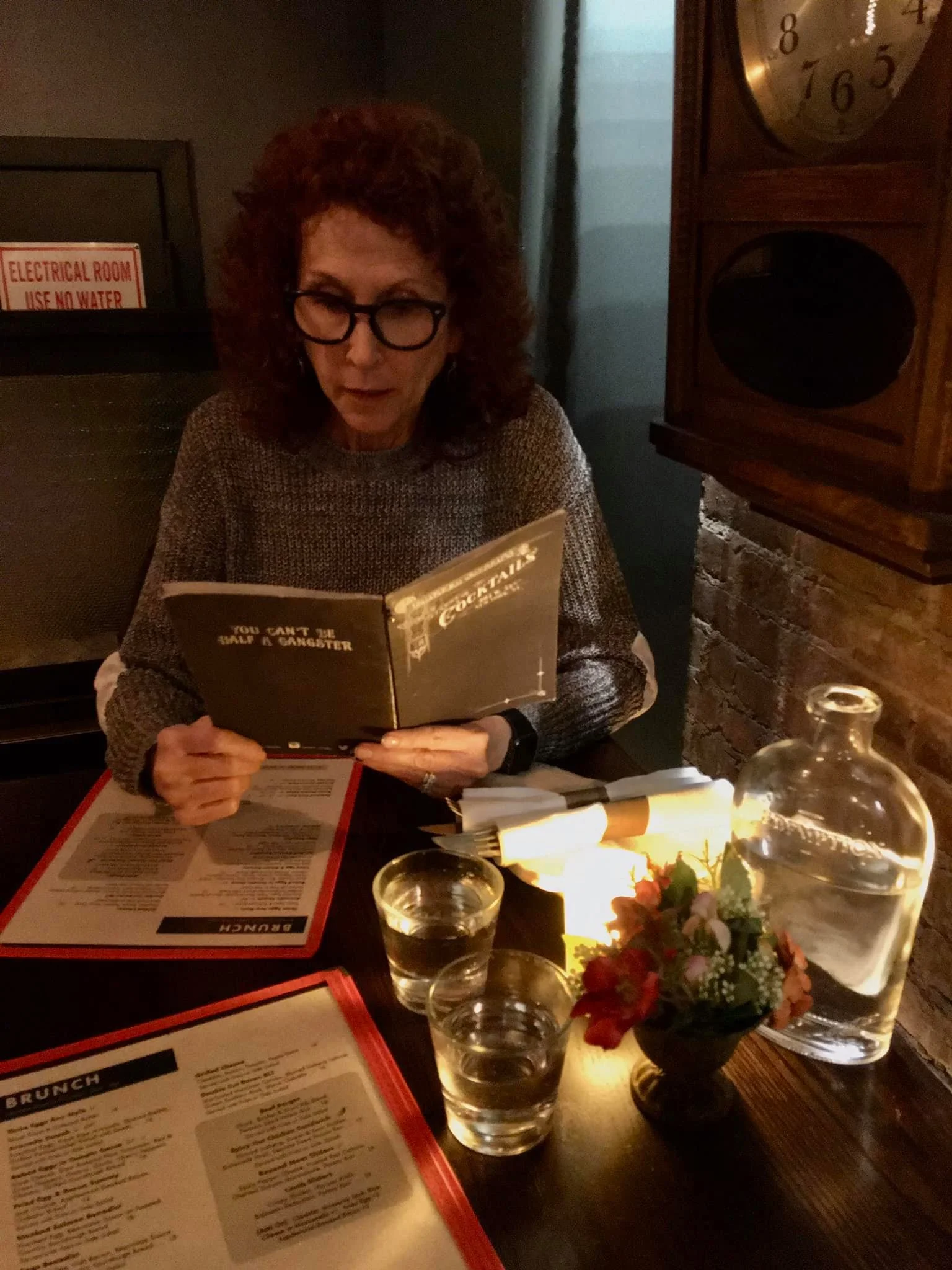
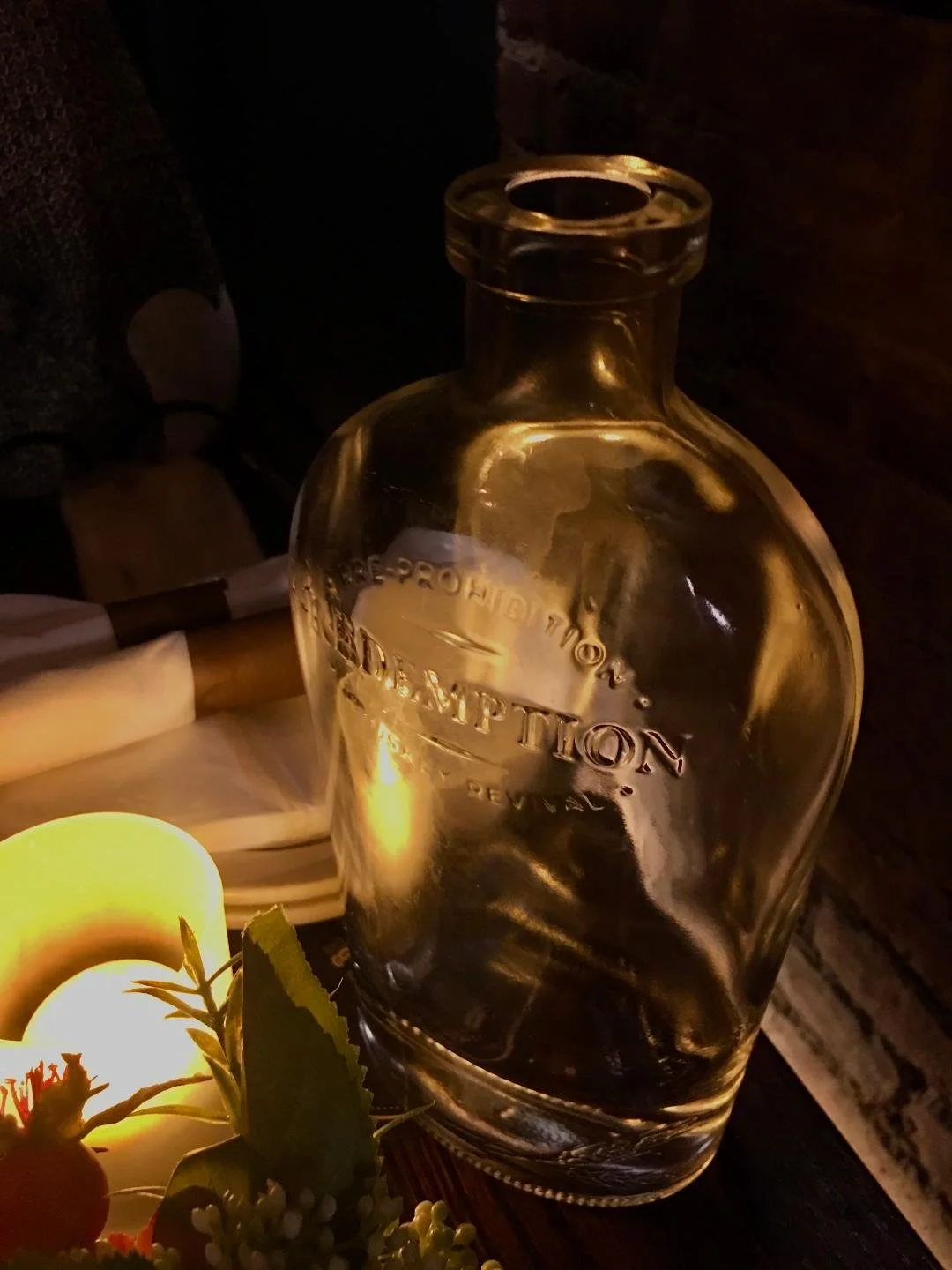
Across the side street from our hotel we found a delightful “speakeasy”, Tanner Smith’s, whose atmosphere took us back to the roaring twenties and served us a satisfying dinner. Check out the water bottle!
The place is named after Tanner Smith, who grew up near the notorious Hell’s Kitchen. He opened the Winona Club not far from a few blocks from this location. The Winona Club had a reputation for one of the best warning systems around to let patrons know when the law was near, and had tunnels and exit routes to evacuate. Not only gang members and prostitutes, but also politicians, judges, even off-duty police officers were known regulars at the Winona Club.
9 years later, he opened the Marginal Club—named after the street gang he once controlled—in anticipation of becoming a speakeasy when Prohibition became law. As with his previous club, the entrance had tight security and there were several exit routes out. Alas, he was shot and killed in his own club.
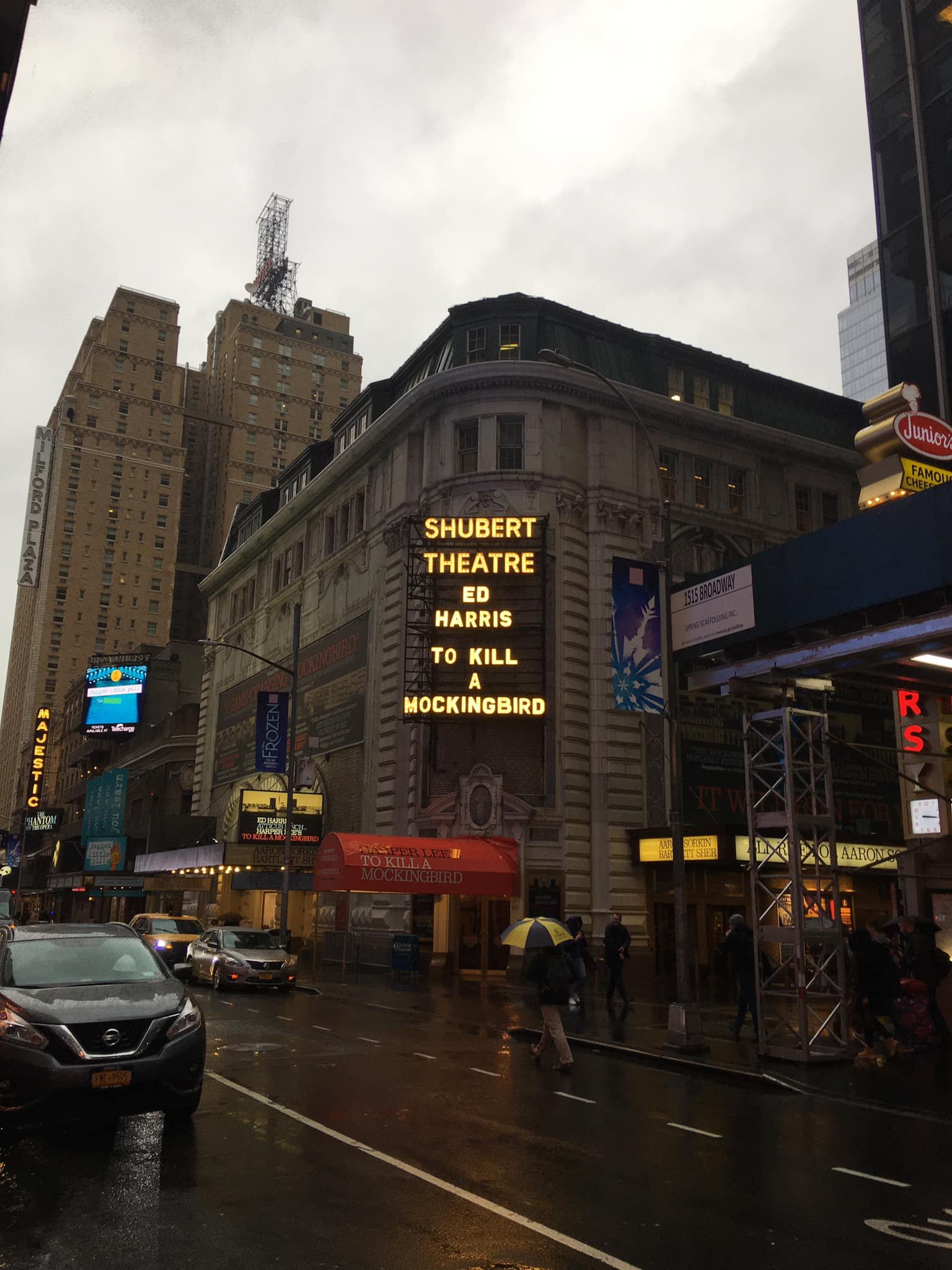
I so wanted to go to this. 1) Because it was the Schubert and, 2) we both love Ed Harris, and the story. But alas, the only tickets available were $400 each and that was impossible to justify. How much money do these people live on?
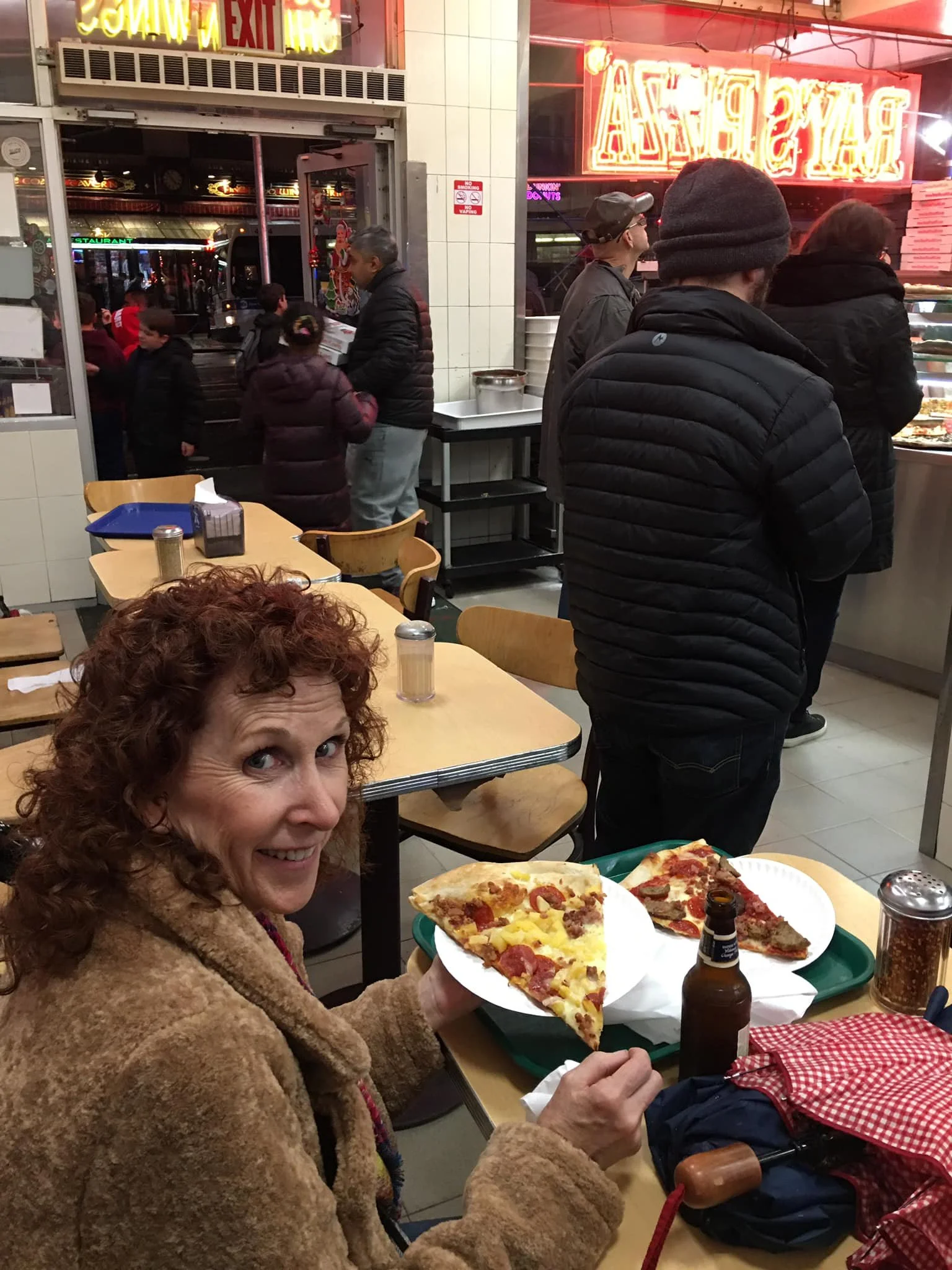
We had to get a “Ray’s Pizza”! Ray Cuomo, a 22 year old Sicilian immigrant started this now famous NYC phenomenon back in 1959. Great crusts and creative toppings!
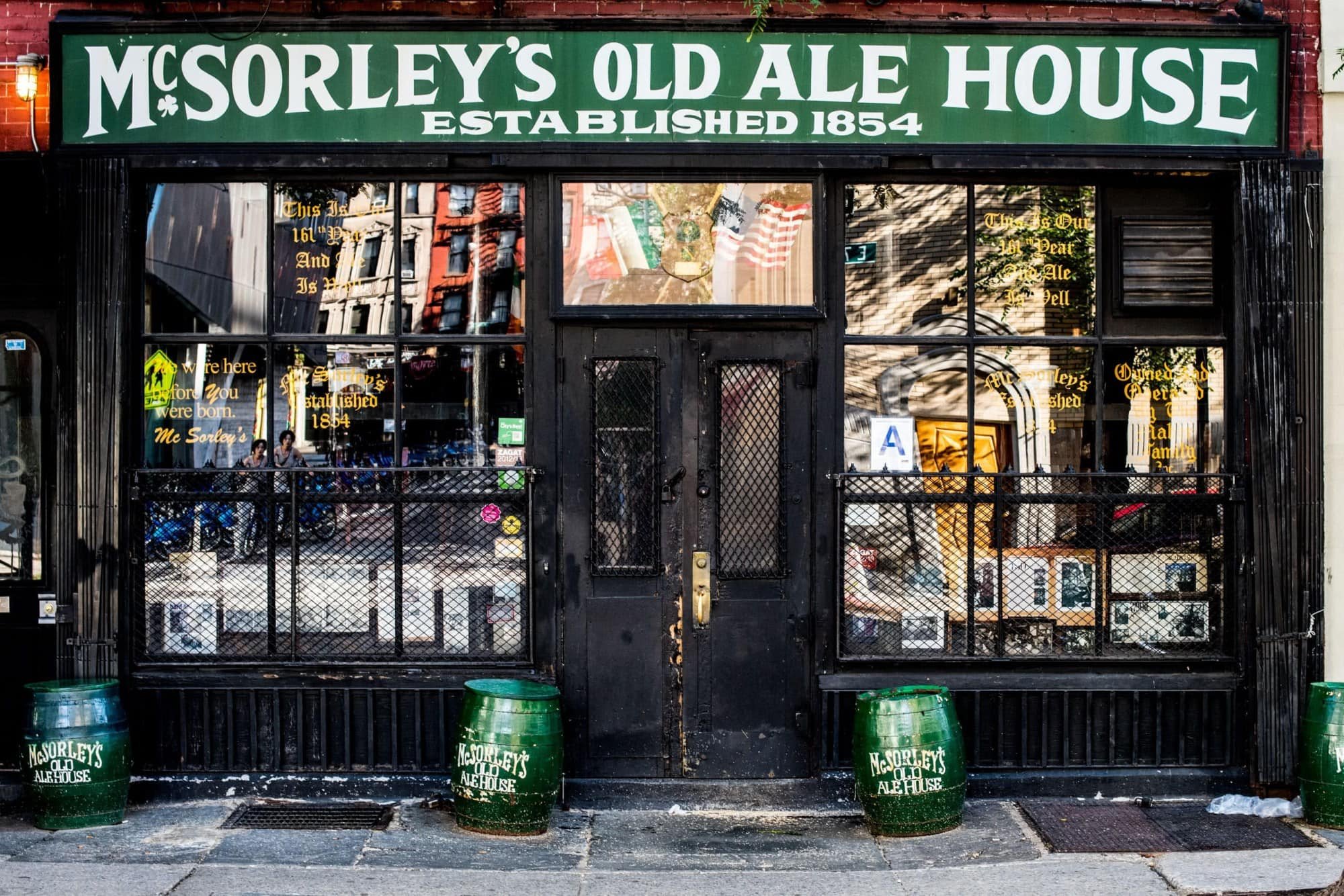
This is the oldest continuously operating saloon in NYC—since 1854. Abe Lincoln, John Lennon and Woody Guthrie have frequented it. For a good timeline of its history, CLICK HERE.
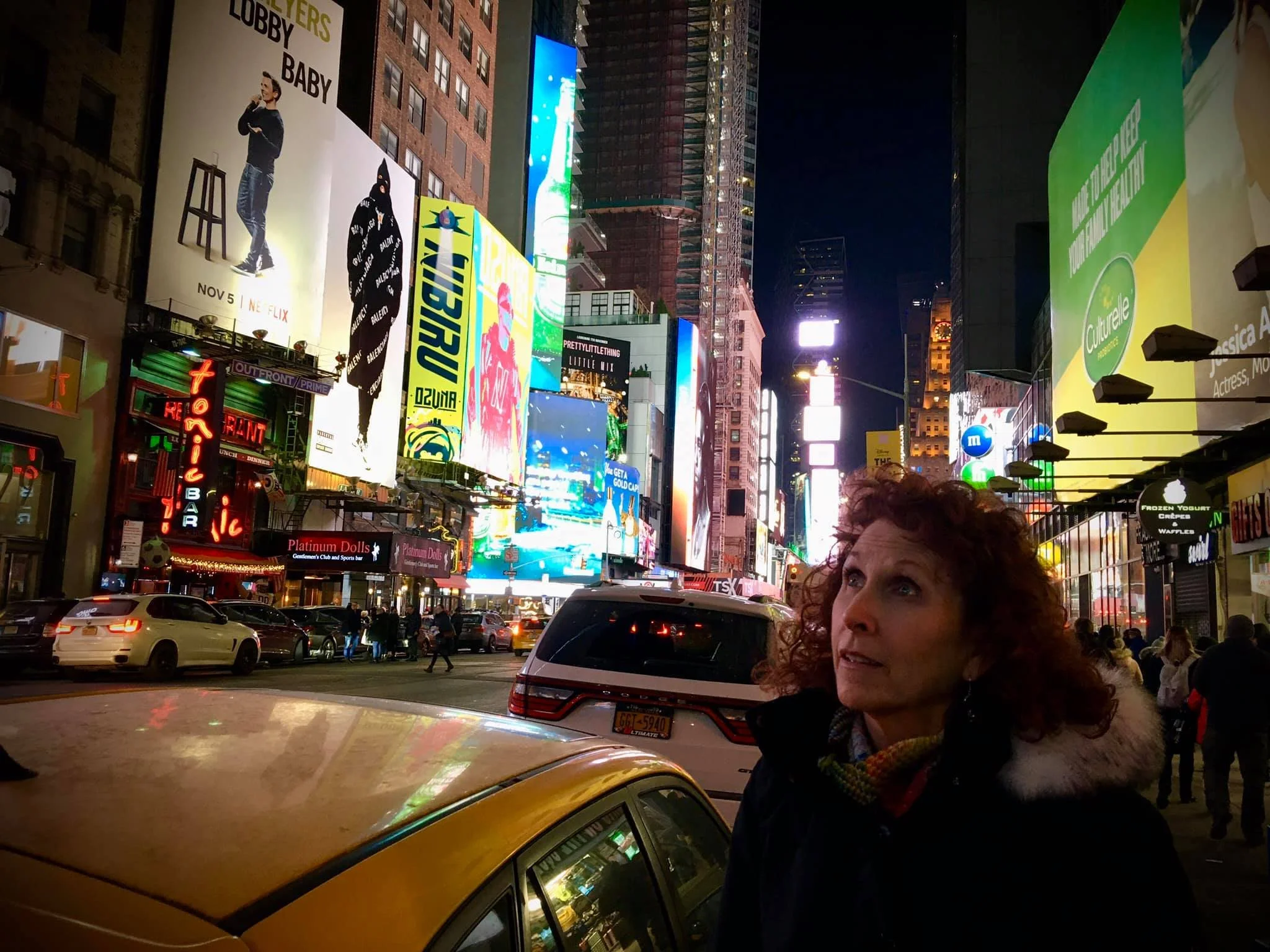
We were just mesmerized by the city after dark. We’re usually in bed by 9, and used to looking up and seeing treetops and stars. It’s like the city never sleeps.
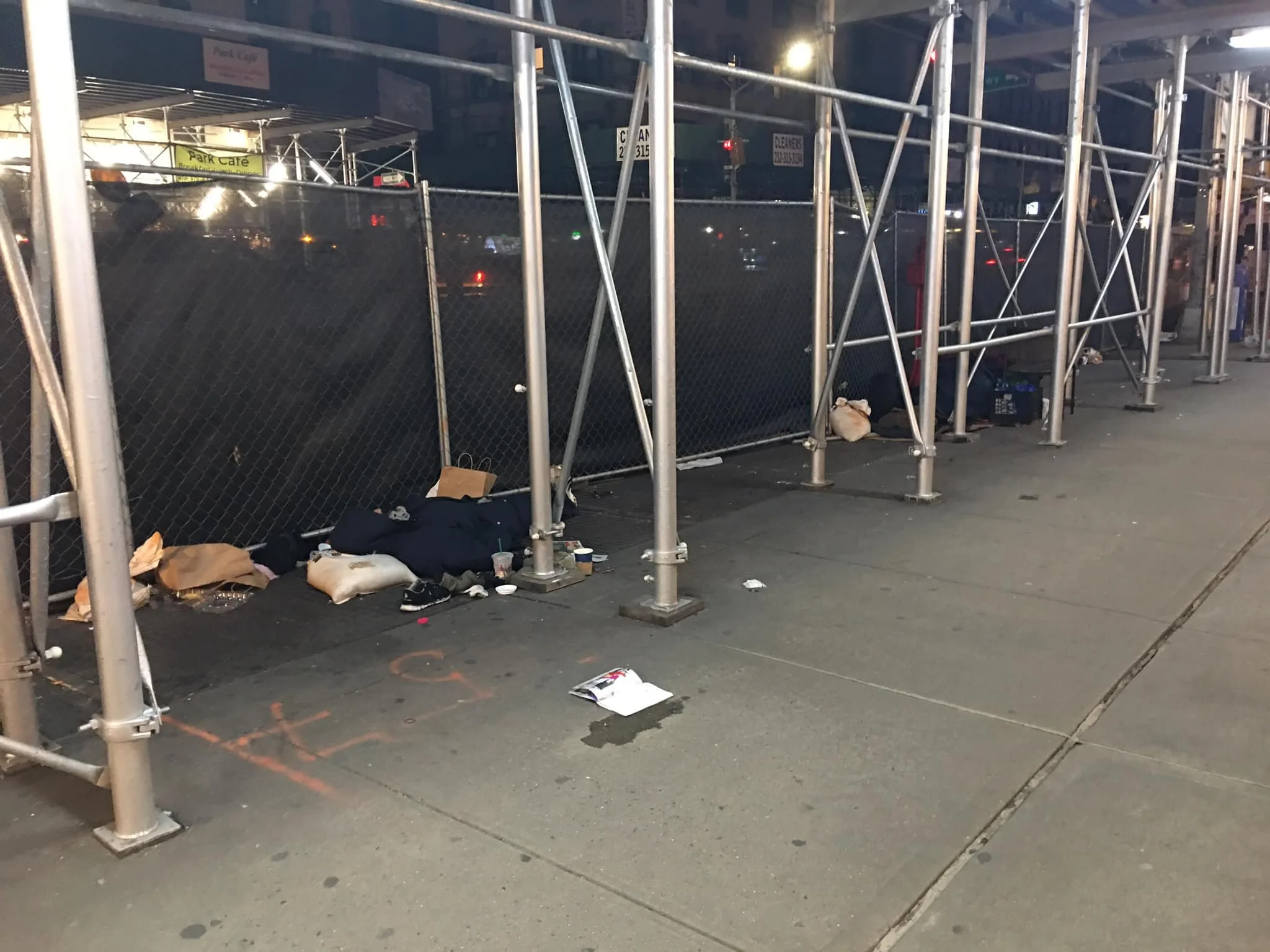
This was the sorrow of New York. I almost didn’t take this picture out of respect, but then decided ugliness should not be swept under the rug. That pile of debris is a human being. There’s another farther down to the right. Surrounded by multi million dollar apartments and townhomes, they are lying on grates over the subway to try and stay warm enough to sleep in 20 degree weather. I passed this guy the night before, sitting in the same spot hacking his lungs out. It’s such a helpless feeling. You can give them some money or a meal, which we did, but it doesn’t solve the core problem of what has gone wrong with their life. Until that is addressed, everything else is a band-aid. This dilemma makes my heart bleed.
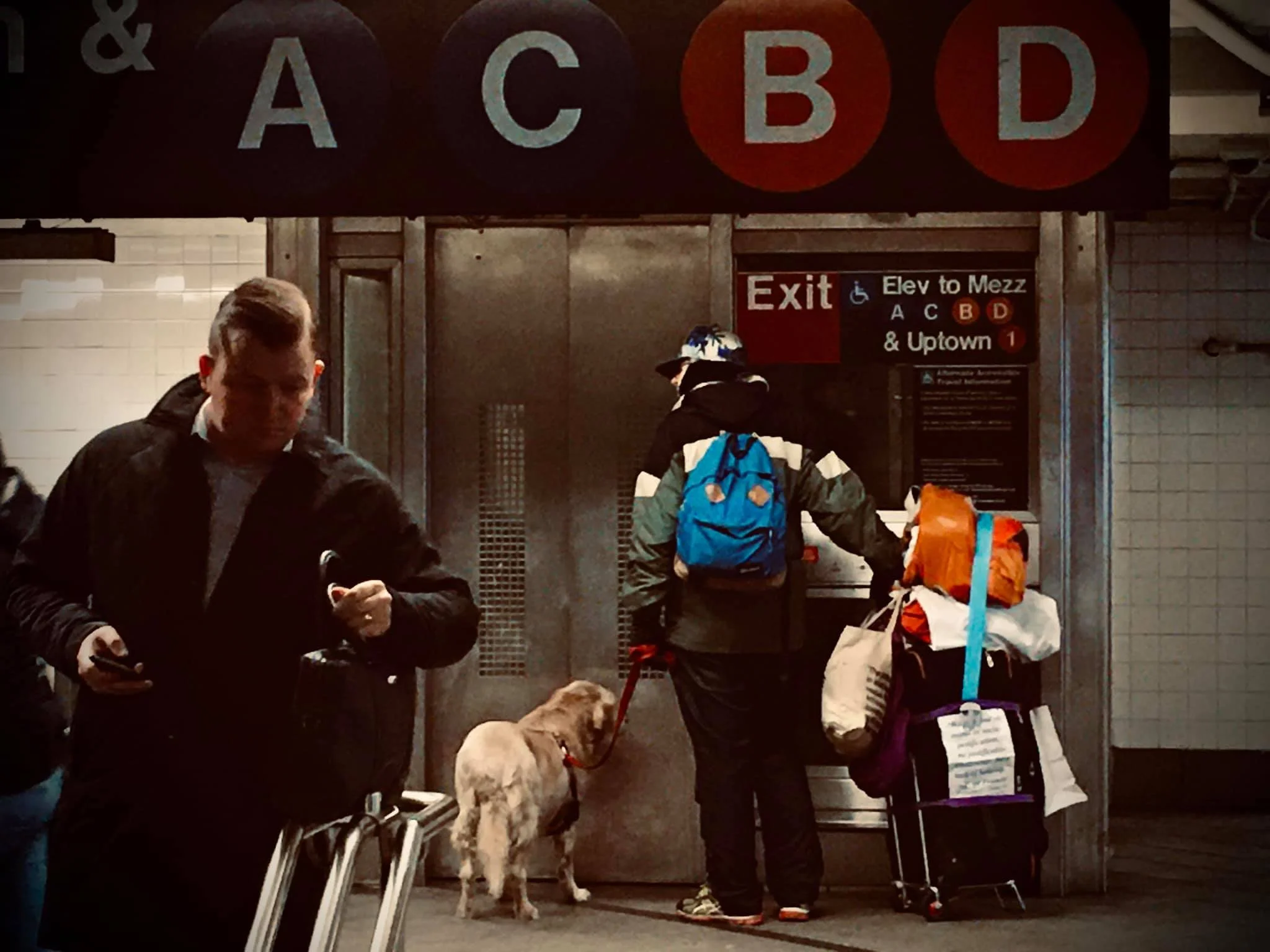
We’re not used to encountering homeless people. So NYC was an emotional impact for us. The homeless. This man we saw in the subway with all his worldly possessions and quite possibly his only companion in this life: his faithful dog. The posters on the side of his stuff are statements from the pope about homelessness. He’s waiting on the elevator.
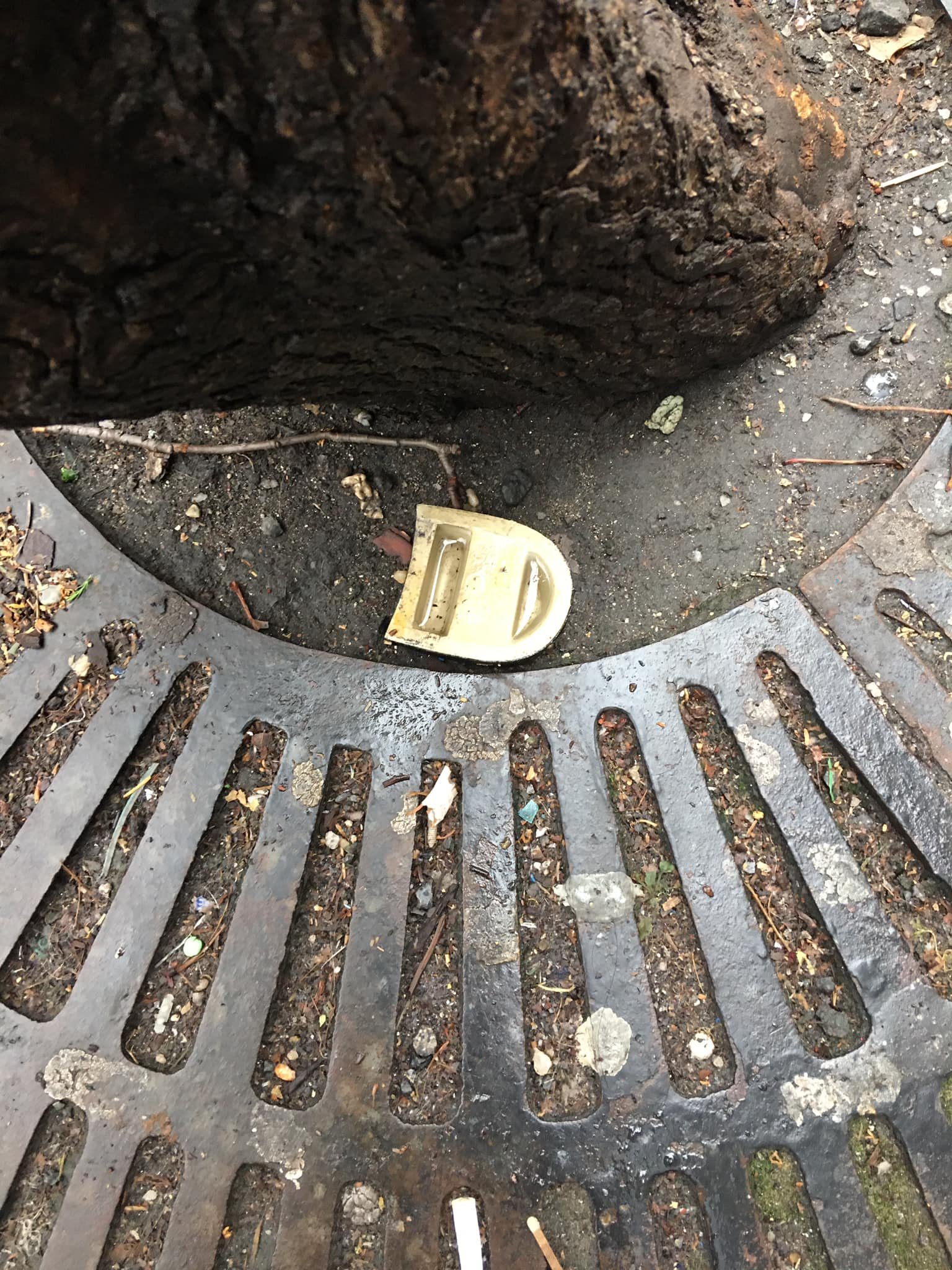
I wondered what was growing next to this tree! The heel from someone’s shoe! Makes you wonder…whose was it? Are they walking with a limp because they can’t afford another shoe? Was it lost in a fight? Was it a worn second hand shoe they got from a shelter or thrift store? And have I passed the person on the street or seen them sleeping on a subway grate to keep warm?
911
On 9-11-2001, Radical Islamist Terrorists committed the unthinkable. In a masterful, well thought out plan, they hijacked 4 of the largest commercial airplanes ever built and plowed them into famous buildings, murdering 2,996 innocent people. It was the deadliest terrorist attack in human history.
The date they chose to do this was symbolic of the emergency number 911 used by Americans to call for help. One plane tore through the Pentagon, one was overtaken by passengers, who knew they were sacrificing their lives, slamming into a field in Pennsylvania, killing all aboard. It was later learned it was headed for the White House. And two planes crashed into the twin towers of the World Trade Center. It took only 19 terrorists, who had trained for months in the US, to bring this destruction. The details of this were shocking and forever changed life in America.
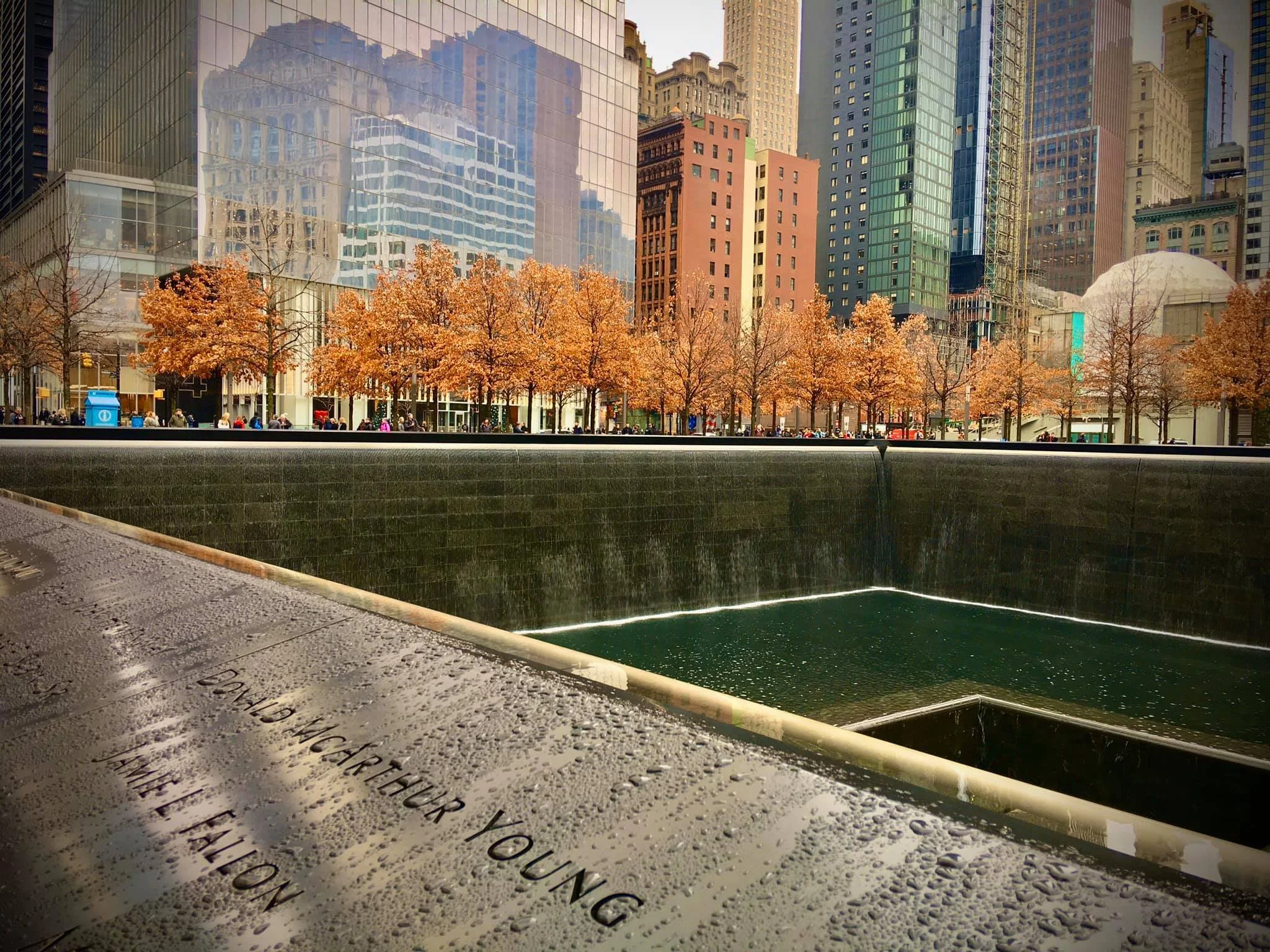
New York City built a memorial on the site of the World Trade Center with immense exhibits. We visited it, and you can too. You get off the subway at World Trade Center, Cortland Street.
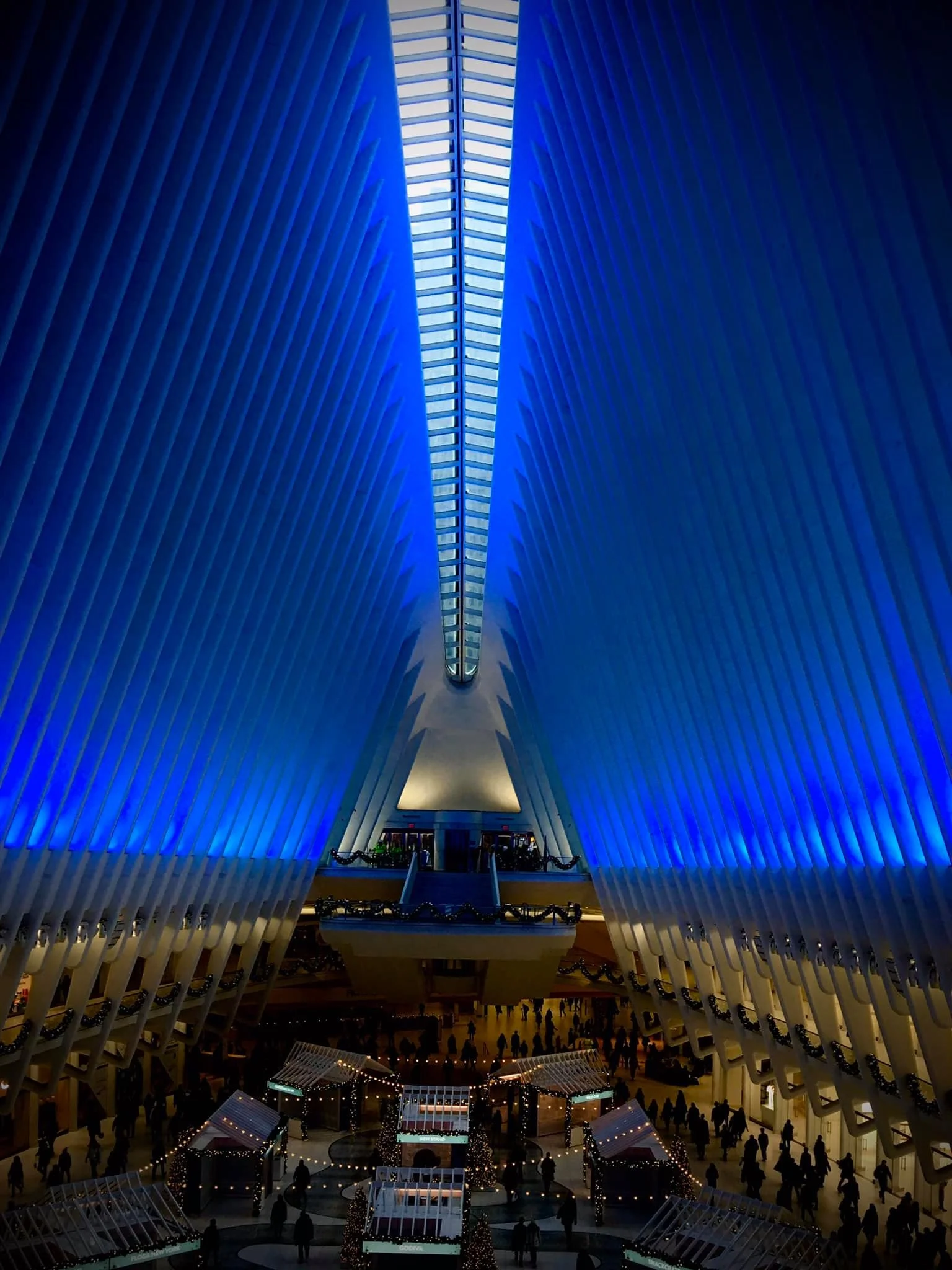
This is the World Trade Center Transportation Hub—The OCULUS, seen as you exit the subway for the 911 Memorial. If you fear heights, because of the architecture of the walkways, steps, balconies and glass elevator to get up to ground level where the entrance to the museum is, you might want to keep your eyes closed and have someone hold your hand. There’s a lot of glass.
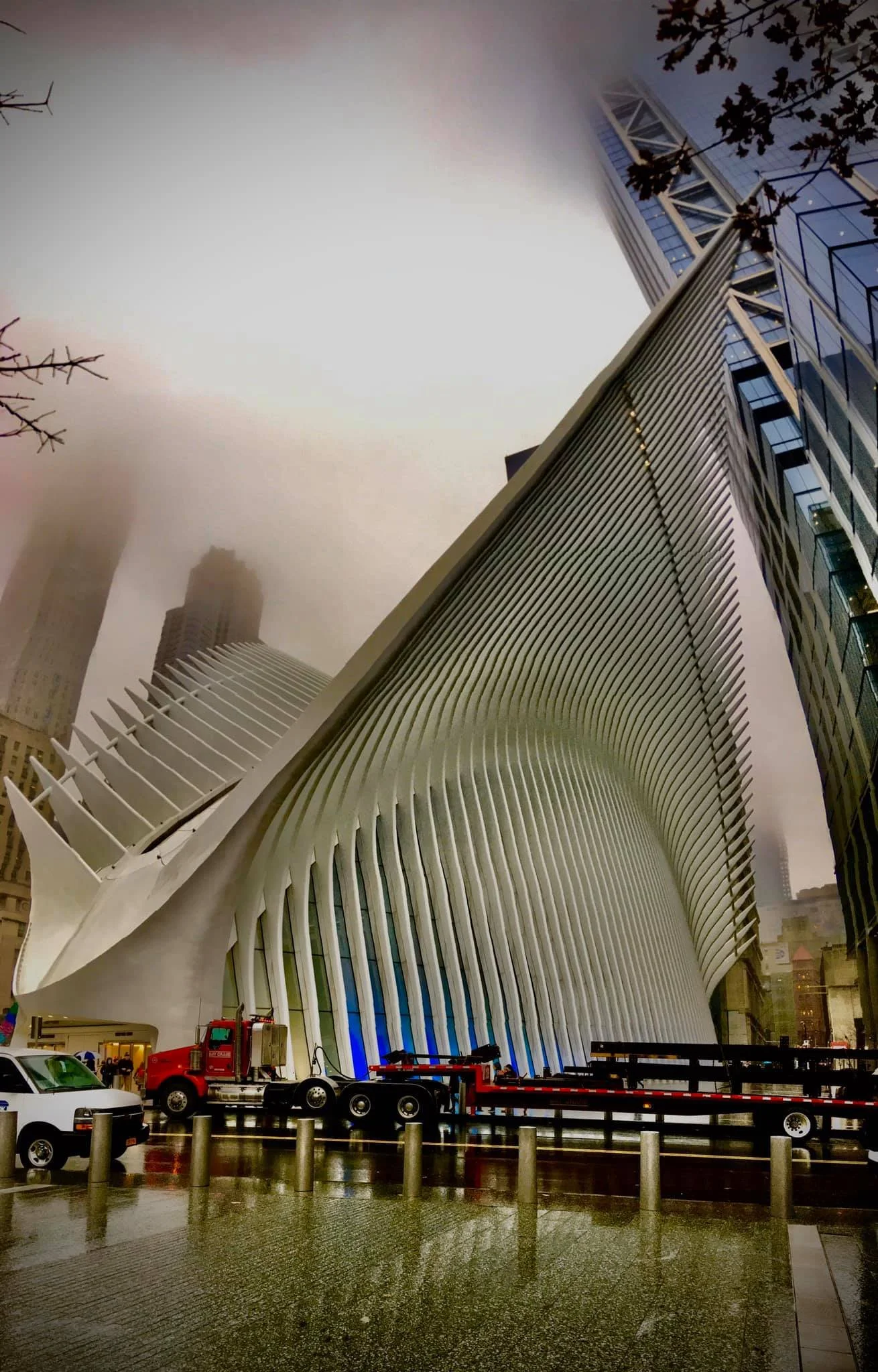
The outside of the Oculus, taken from the 9-11 Memorial. The Oculus is not only a transportation hub, it is like a mall with “discount” shops like Gucci and Tiffany. The Museum itself requires advance tickets, which you can get HERE.
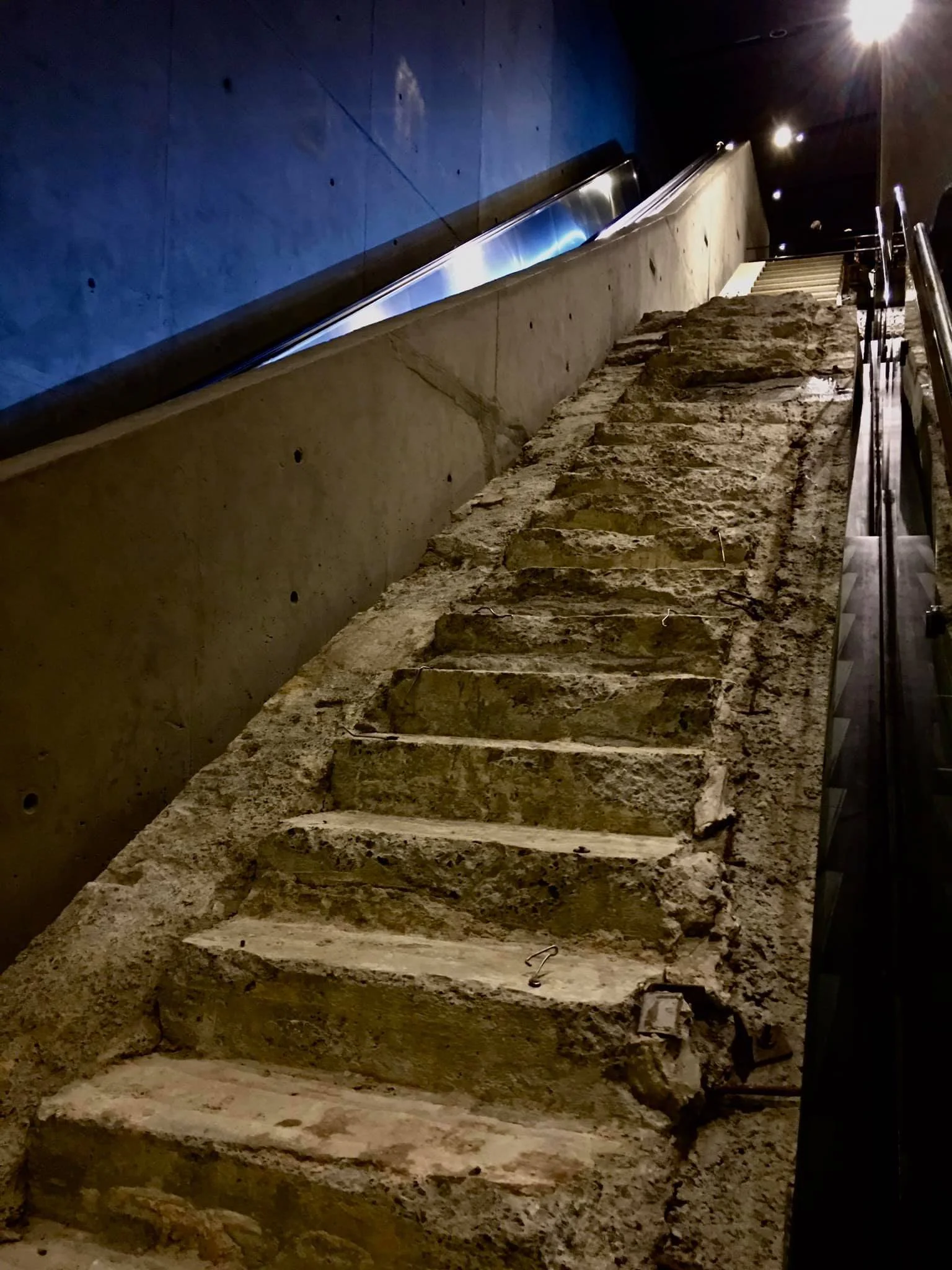
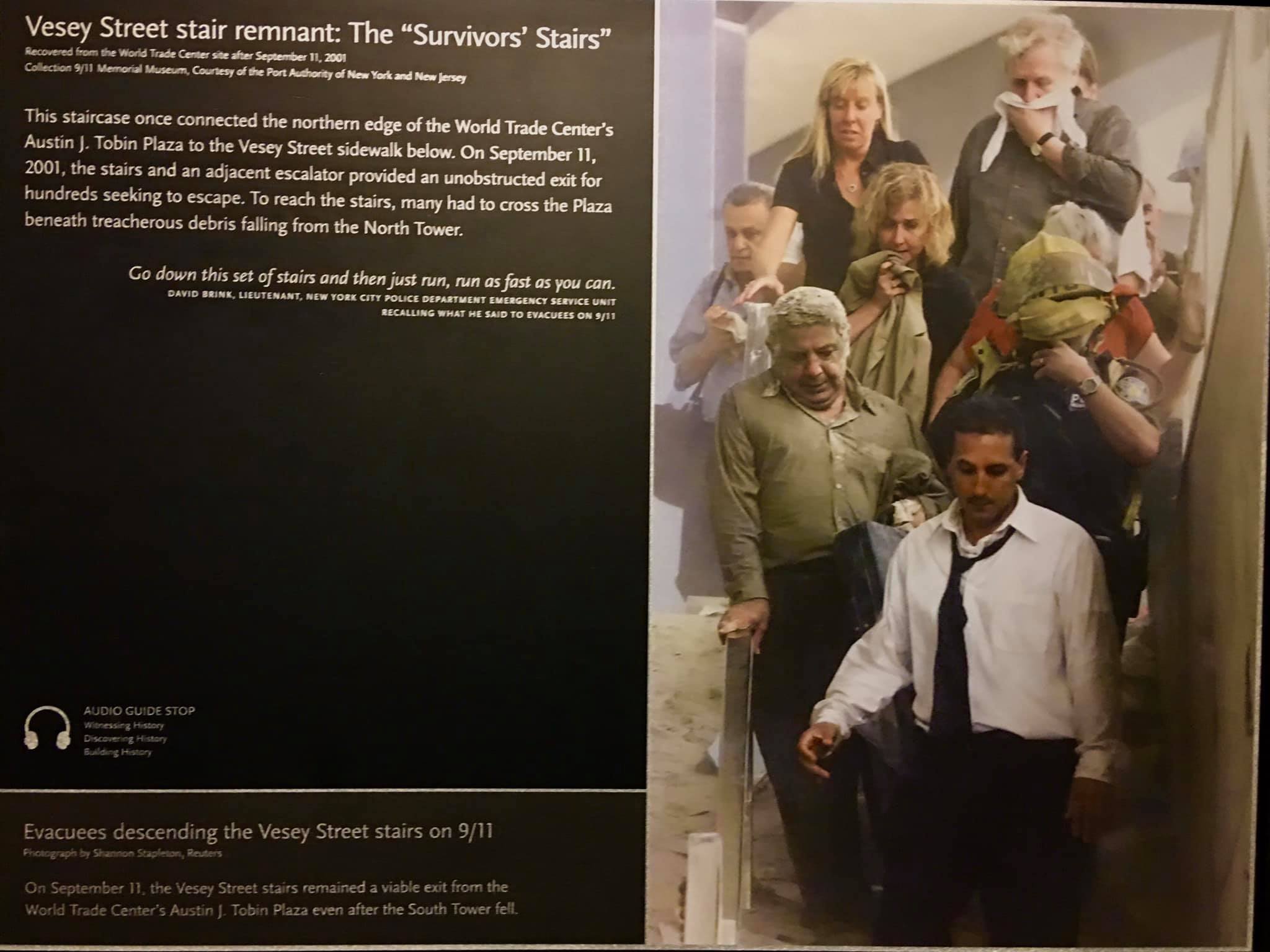
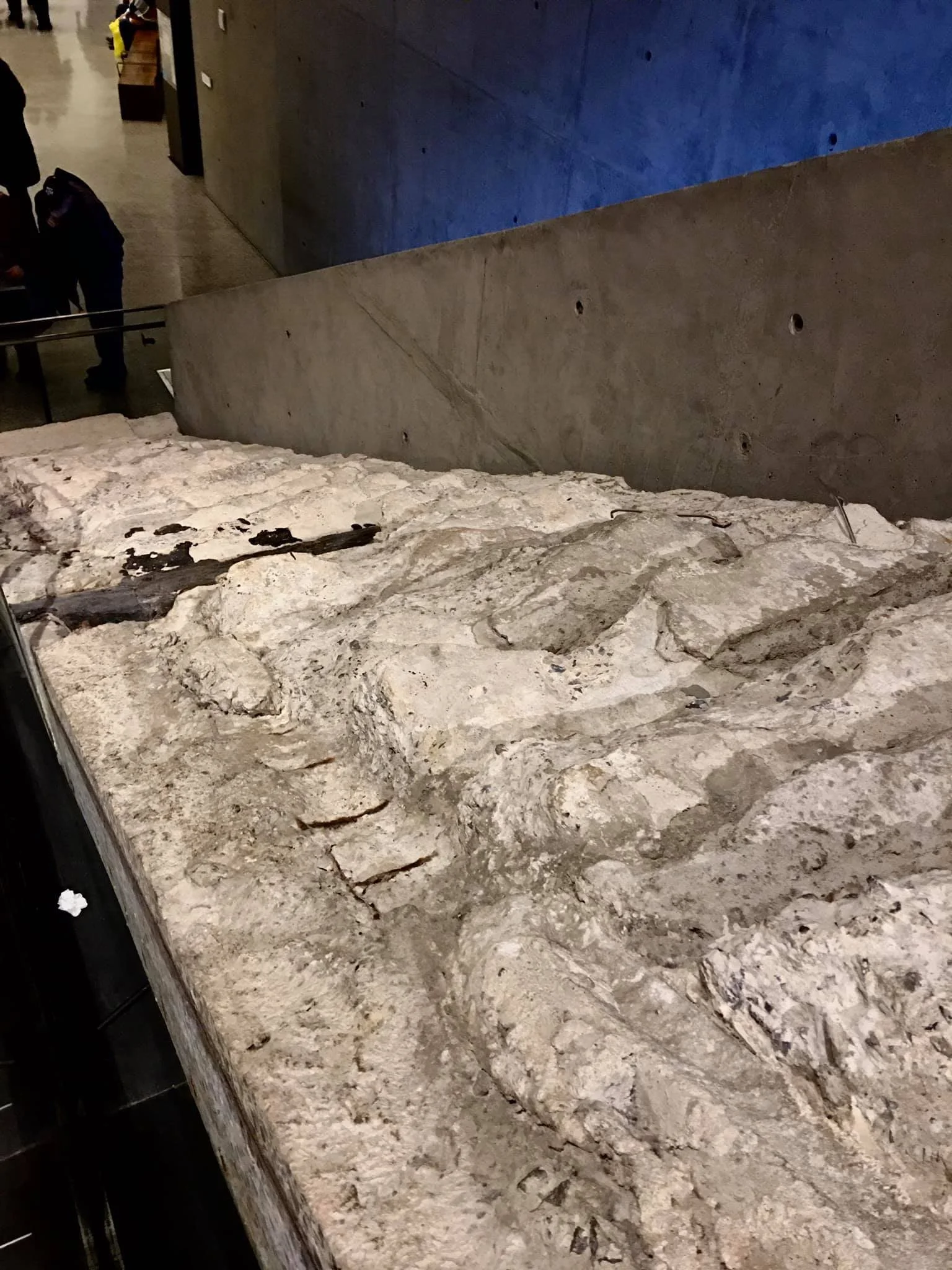
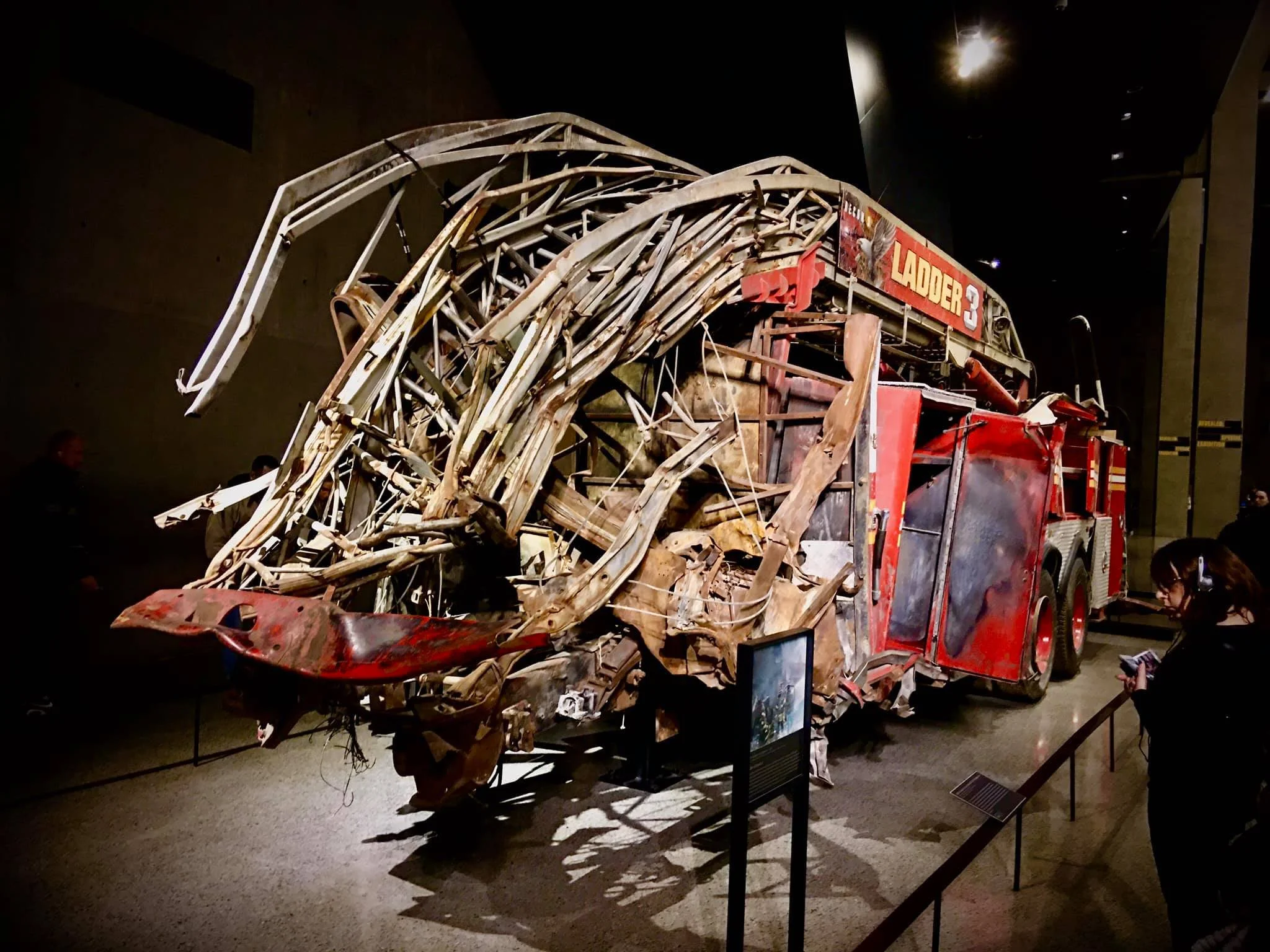
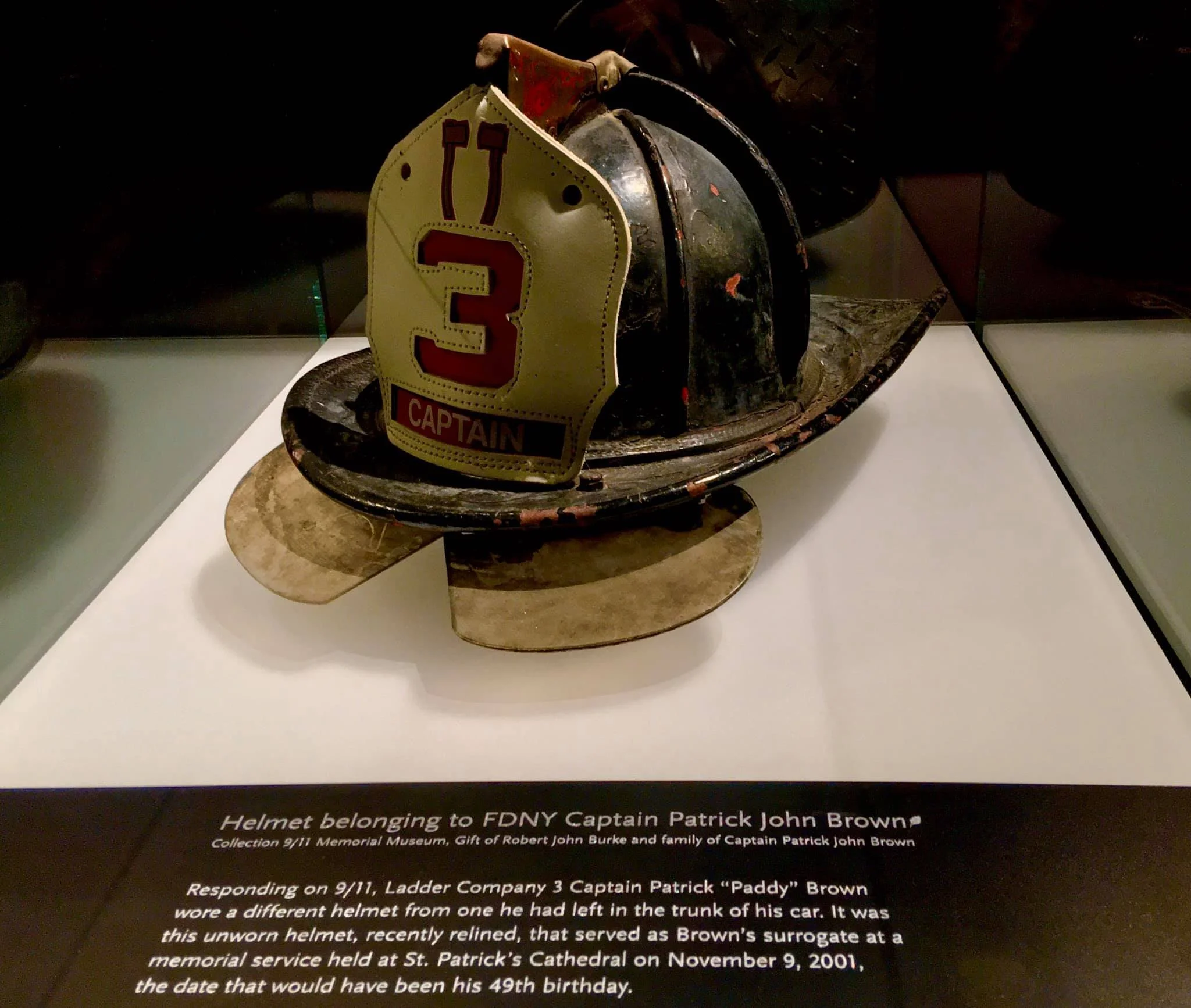
Ladder Company 3...the front cab of the truck is on the left. As Captain Patrick Brown reported for duty, the twin towers distress call came in the middle of a shift change. No firefighter went home. All 11 piled aboard the truck and forged into the face of death. All 11 were lost. From the 35th floor came Captain Brown’s last words, “We’re still headed up”
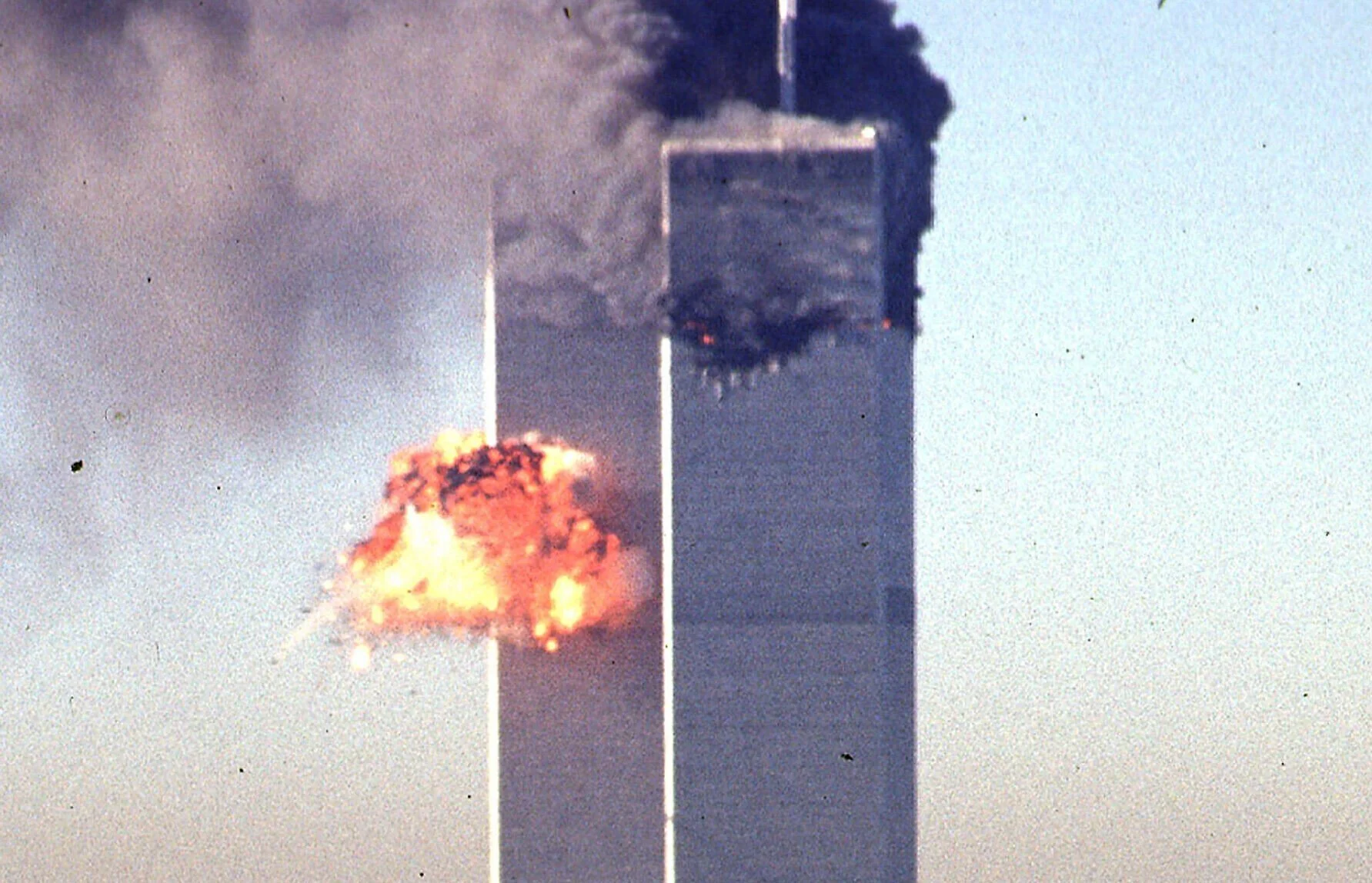
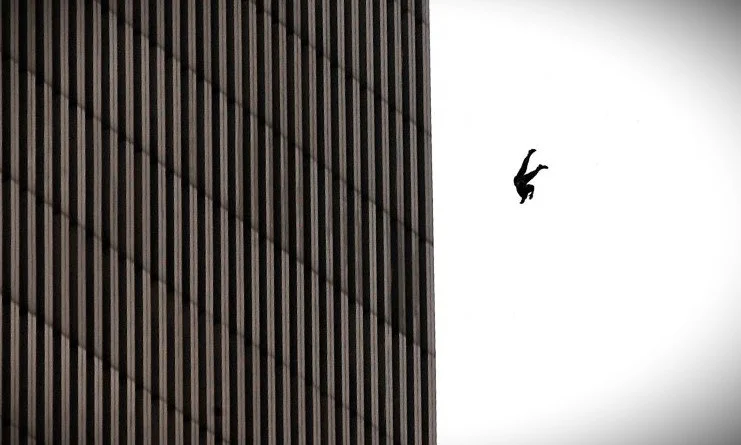
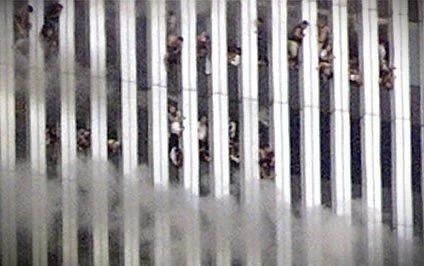
People were jumping out of shattered windows to their death to escape the Hellfire.
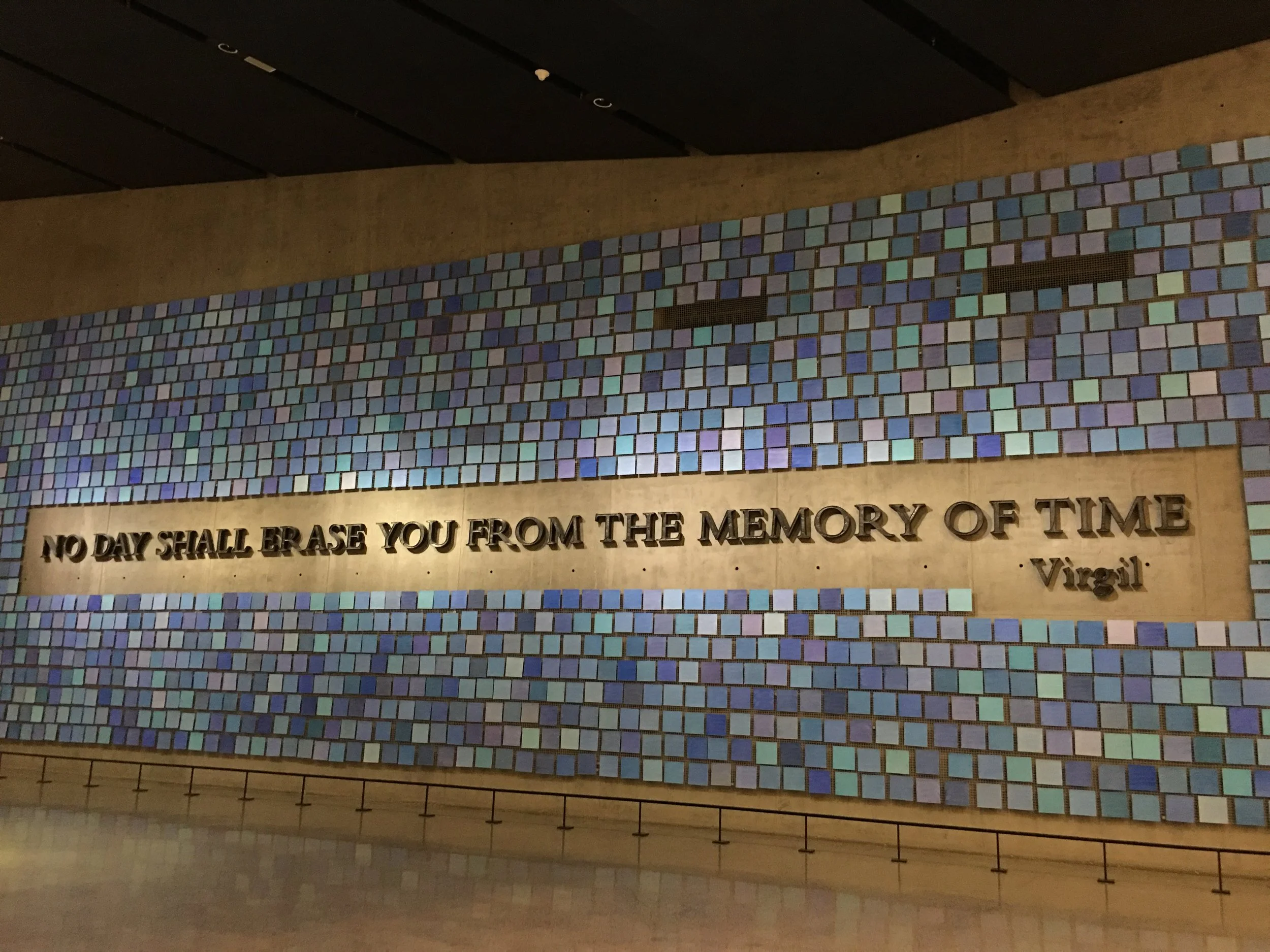
This quote from the Roman poet Virgil in "The Aeneid" proclaims our most valuable contribution…the memories we leave behind. Each letter was molded from pieces of recovered World Trade Center steel by New Mexico artist Tom Joyce.
These words are part of a larger exhibit by artist Spencer Finch, titled “Trying to Remember the Color of the Sky on That September Morning.” It is in the area between the two main exhibitions at the bedrock bottom in the museum.
Each of the 2,983 watercolor squares is a different and unique to itself shade of blue – one for each of the victims. Our own perception of the color blue might not be the same as that of another person. An intended symbolism that, like, each of us is unique but all part of the overall spectrum of humankind.
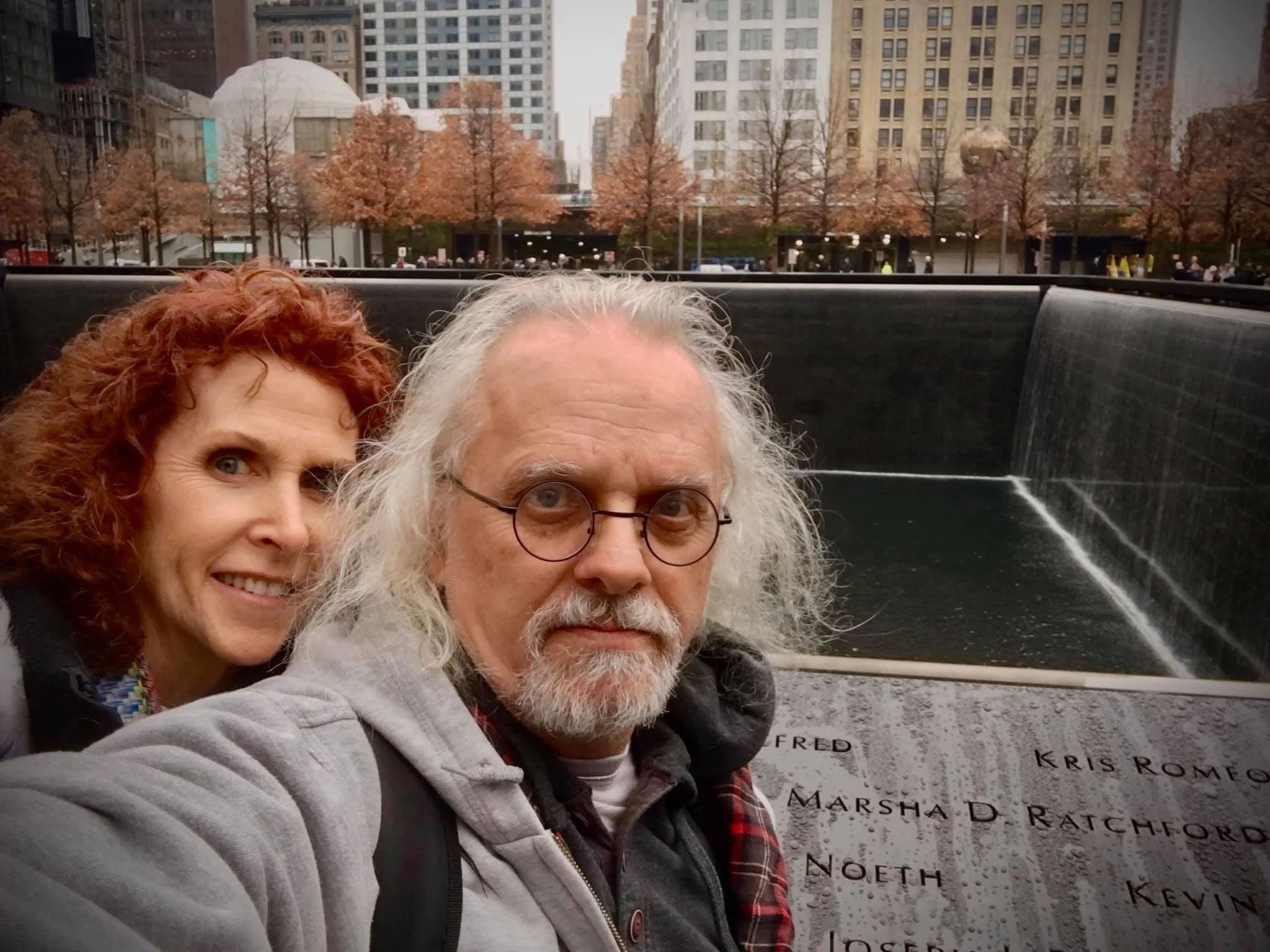
The exhibits were too vast and overwhelming to even begin to showcase them here. You could literally spend days in this museum. The air itself was heavy, and much like the Holocaust Museum in DC, enveloped with a sacred silence that exuded a sort of Holiness and Reverence. You heard very few words spoken here, and when they were, they were in whispers.
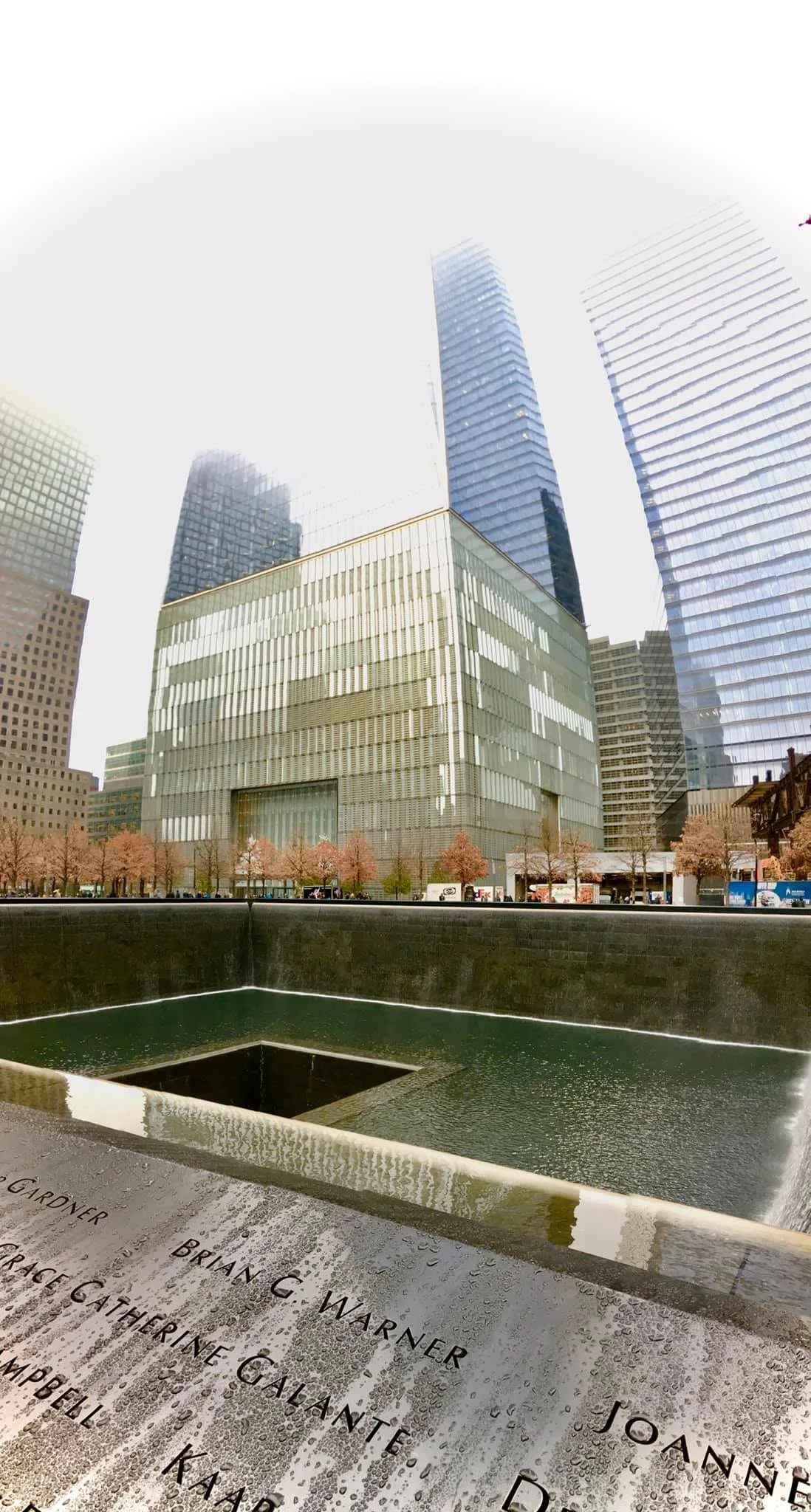
Our lives are but a mist. I thought how appropriate, after experiencing the contents of that museum, that we were able to visit on a foggy day to get this picture, an allegory of the tangible merging with the intangible.
Statue of Liberty
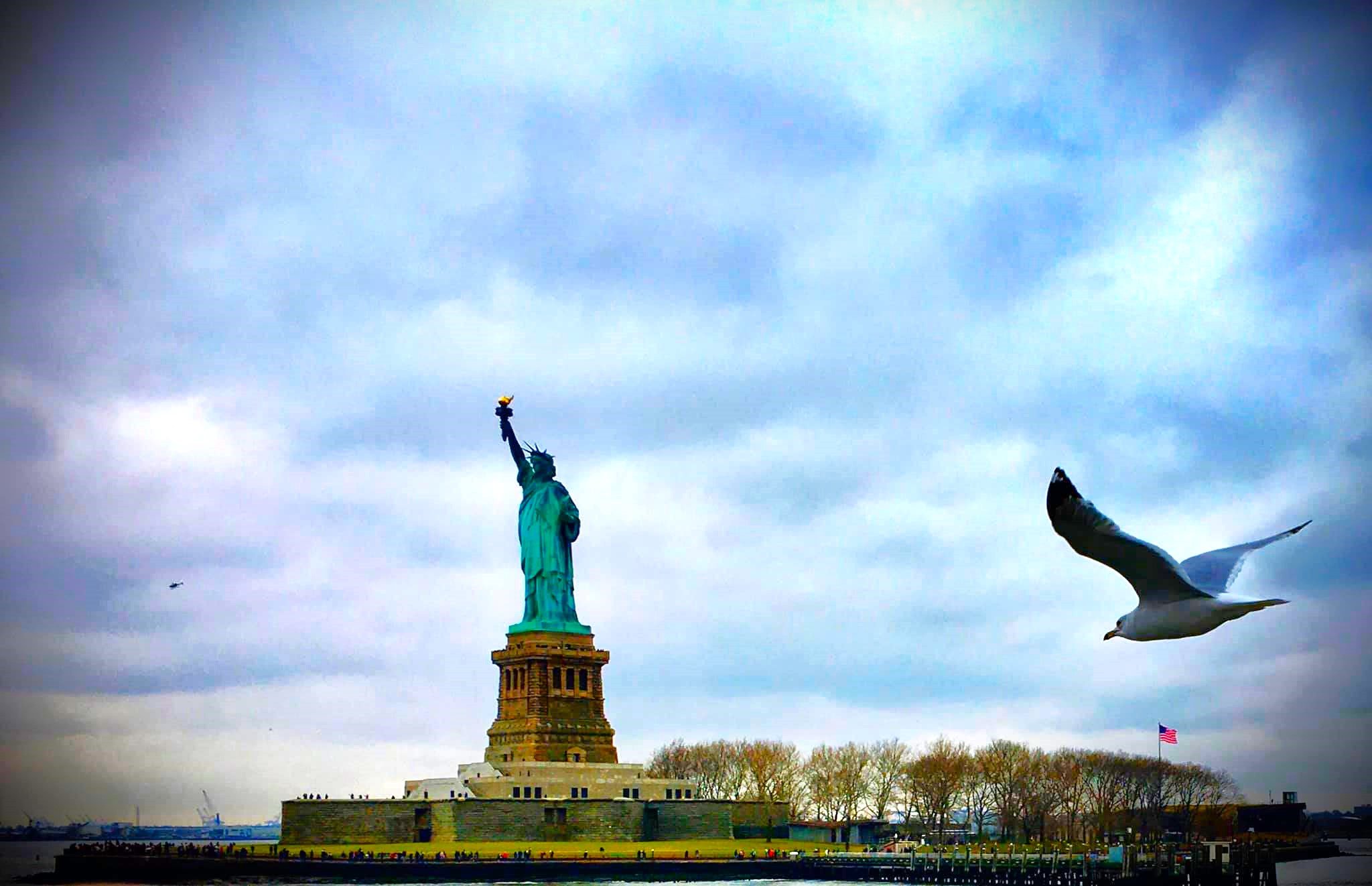
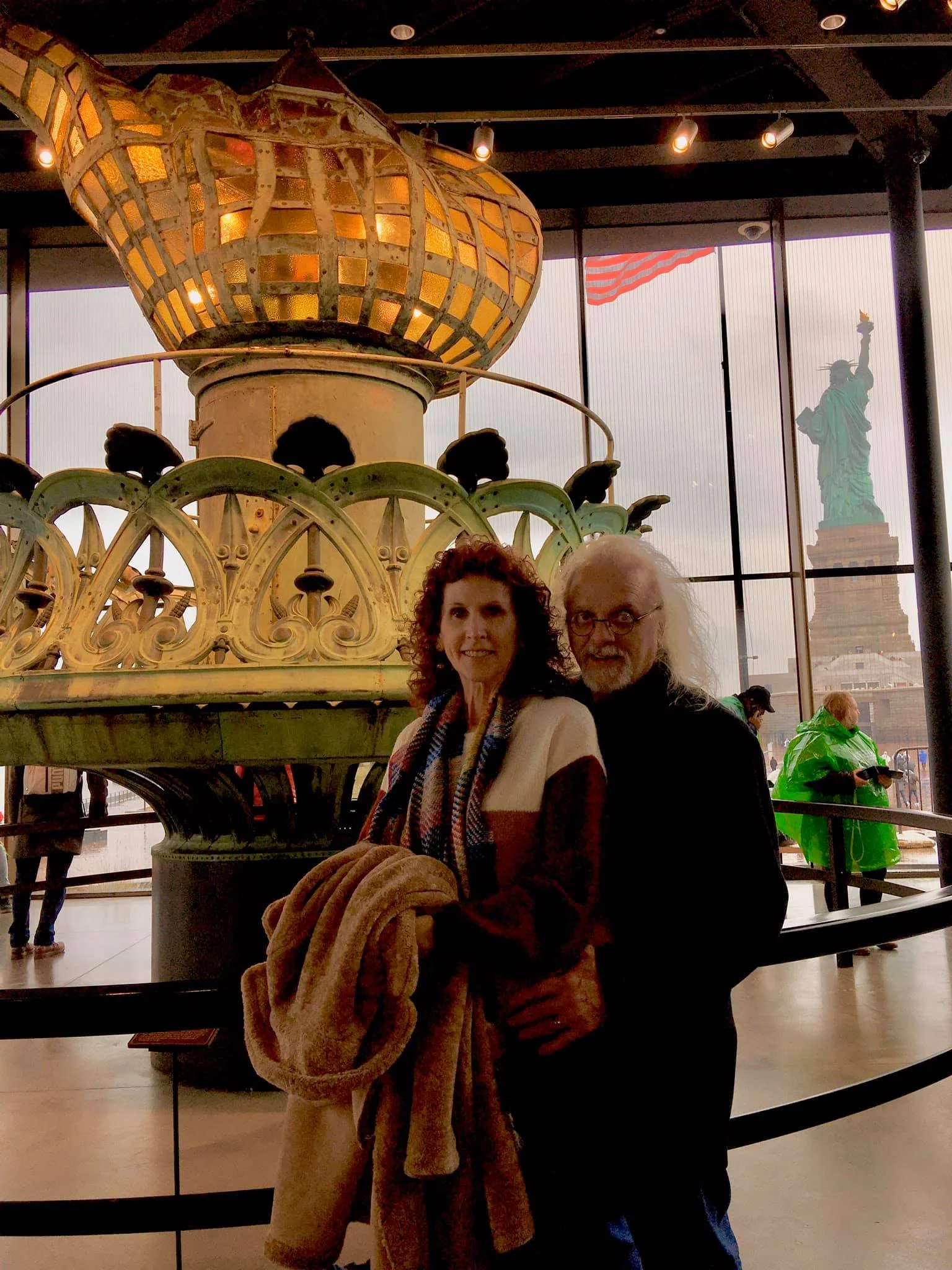
The Statue of Liberty, copper clad, was a gift to the United States from France dedicated in 1886. Classical in style, often the concept of Liberty was portrayed by females. She holds a torch implying light dispels darkness and in her left arm is a tablet with the date of the signing of the Declaration of Independence. Underneath her left foot are broken shackles, symbolizing the abolition of slavery and freedom from oppression. It has been an iconic symbol to those arriving with a desire to be part of the American Experiment.
Bringing the Statue from concept to reality was a complicated process and involved overcoming many obstacles. It must have required great patience, persistence and dedication, for the Statue was created in pieces over many years. It was a copper shell supported by a metal framework that allowed for an inner spiral staircase climbing to the top. The French people, not France’s government, were to finance the statue and Americans would be expected to pay for the pedestal.
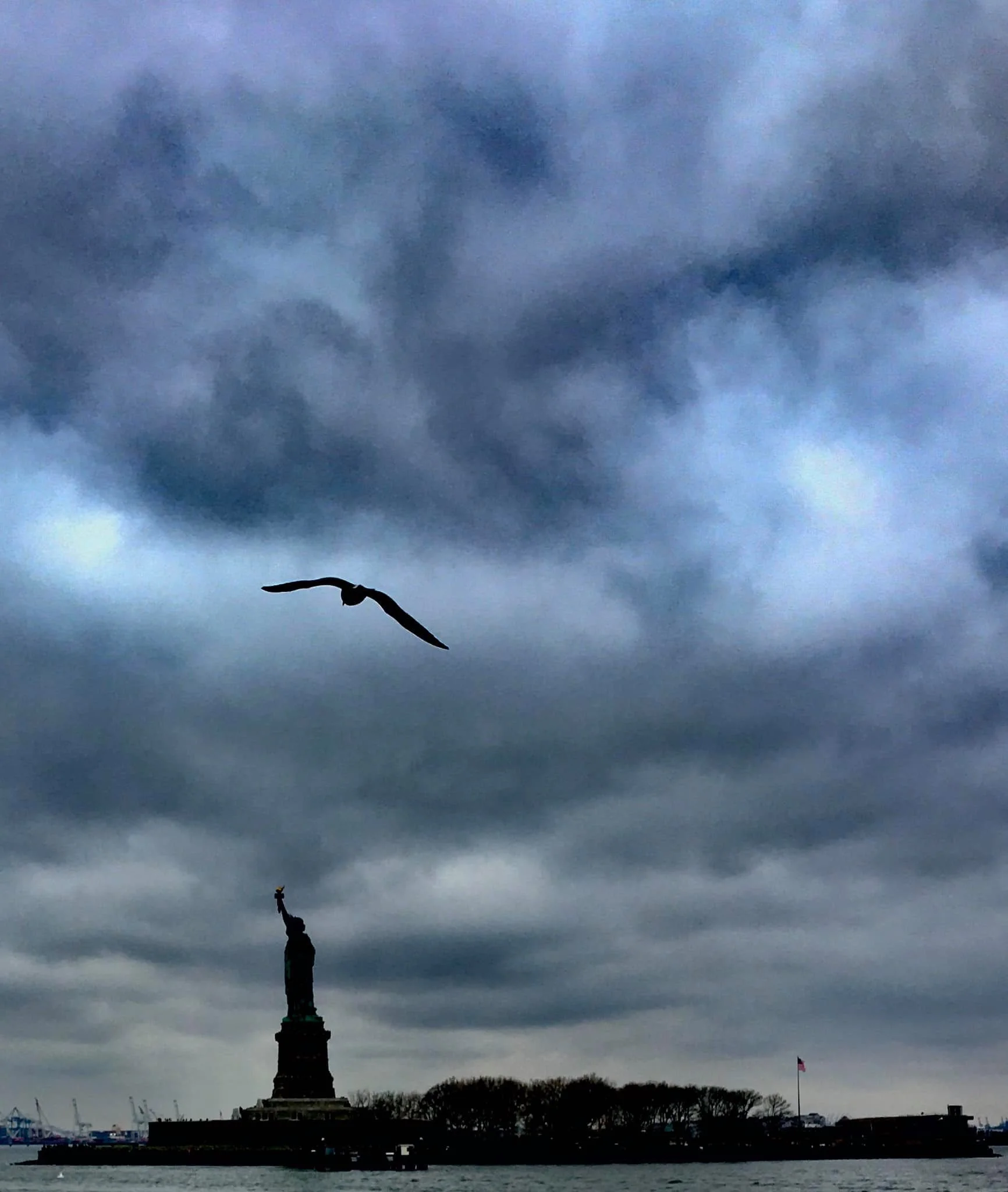
On the way over on the Staten Island Ferry, a flock of Seagulls followed us relentlessly, dancing with their wings to the call of freedom provided by the skies.
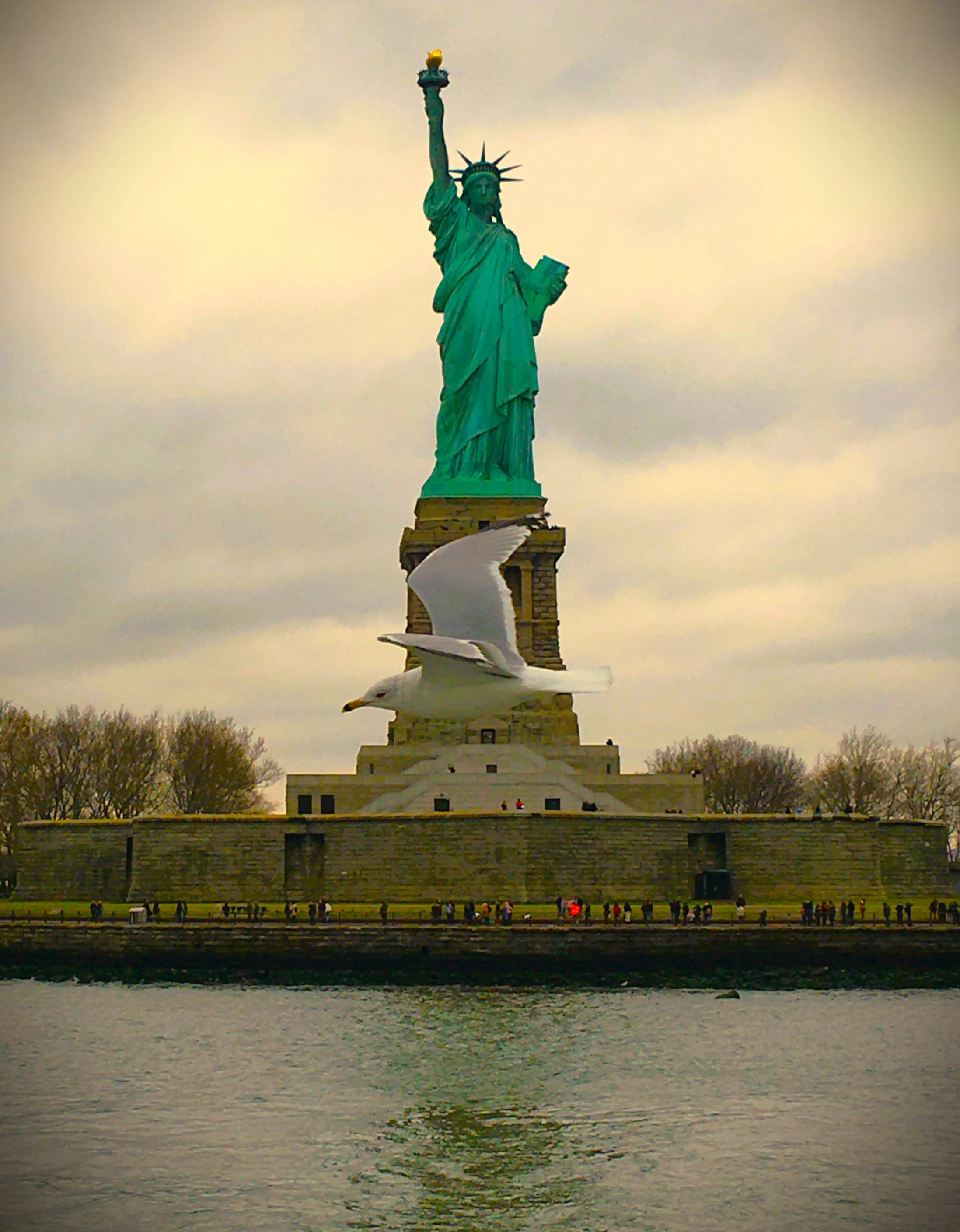
What are the odds of this happening?! A seagull managed to fly, only a few feet away between me and the Statue, and I was able to snap this picture just at the right moment!
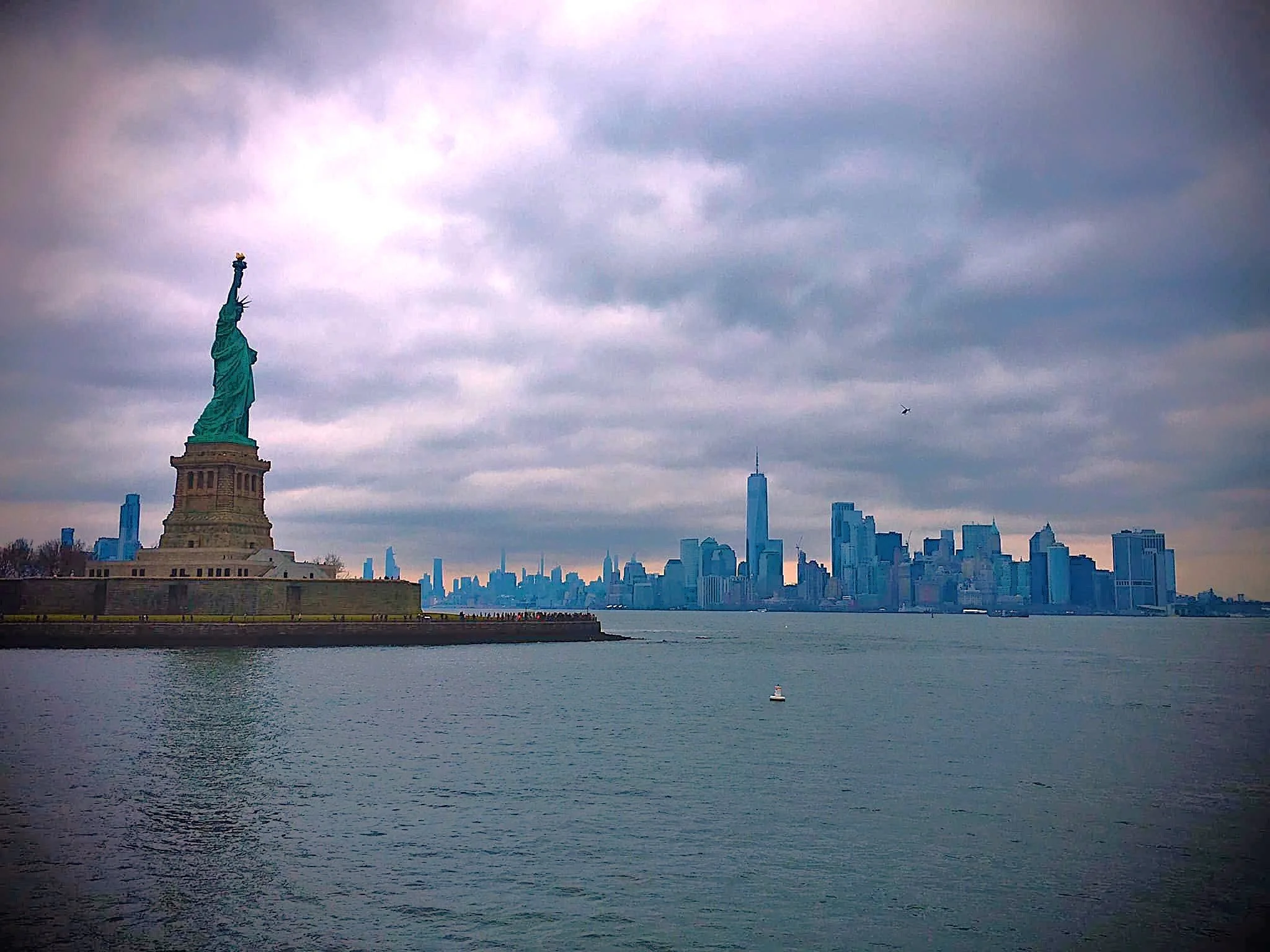
I was thinking as I took this picture…many of the immigrants whose first, emotional view of America was this Statue, were many of the ones who built that skyline She looks over.
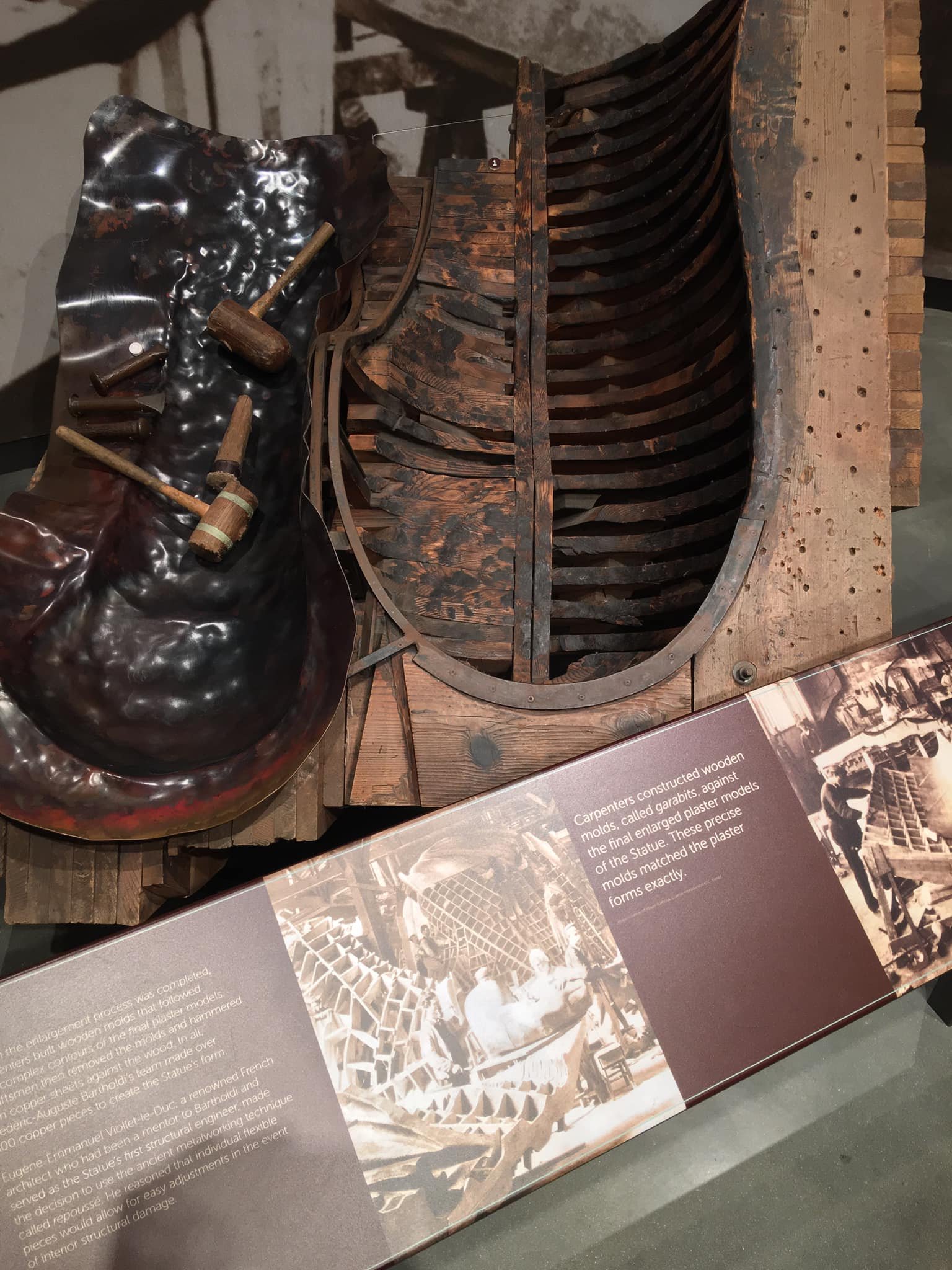
The construction was ingenious. The wooden molds, sizes and shapes were calculated from the model, built by carpenters and used to hammer the copper into shape for the outer layer of the statue with wooden mallets. This was a labor intensive process!
Ellis Island
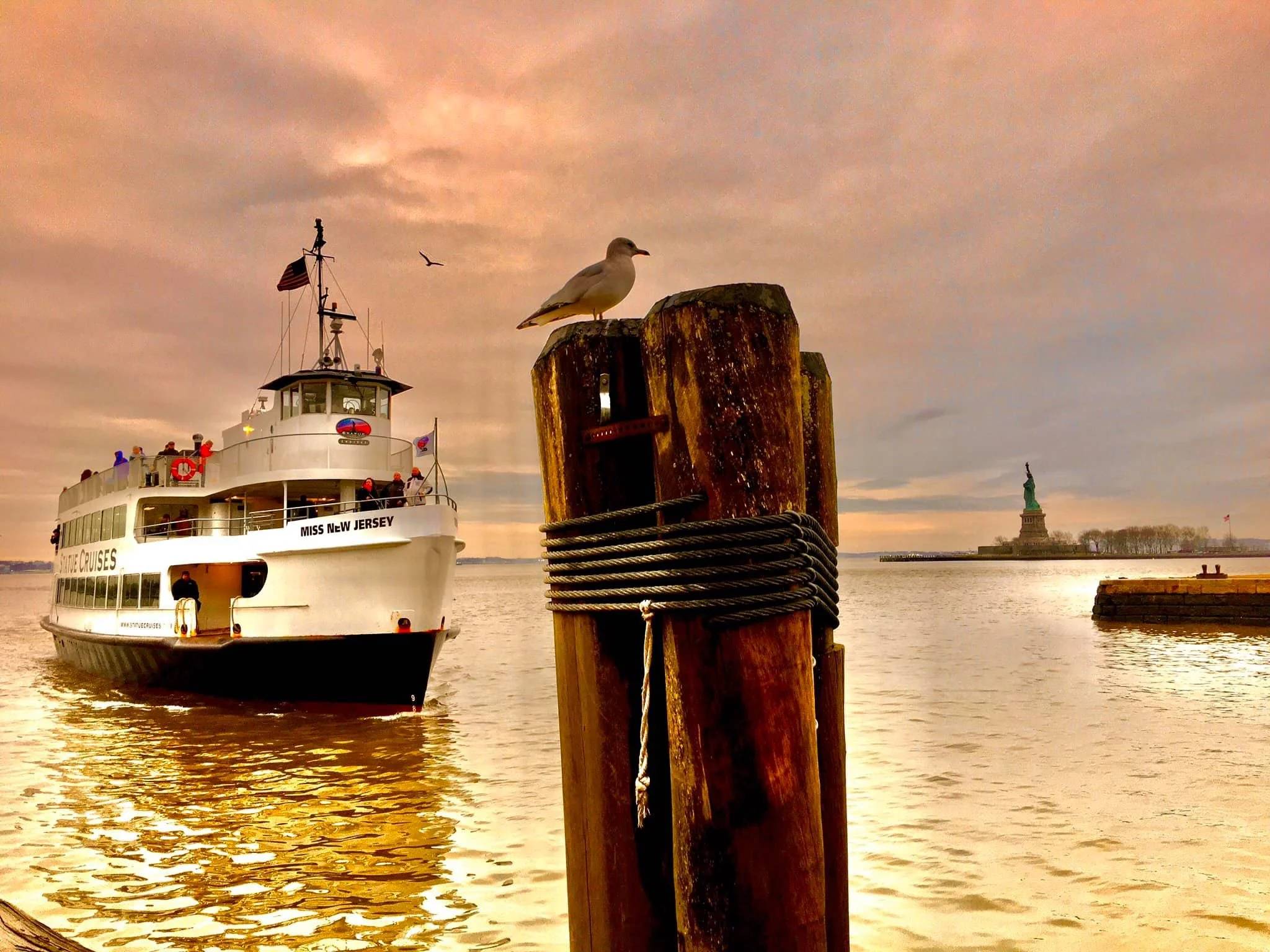
The ferry from the Statue of Liberty pulling in to Ellis Island.
NOTE: Statue City Cruises is the ONLY authorized vendor to Ellis Island and the Statue of Liberty. It is strongly advised to purchase your ferry tickets a day in advance. Get Basic Info HERE.
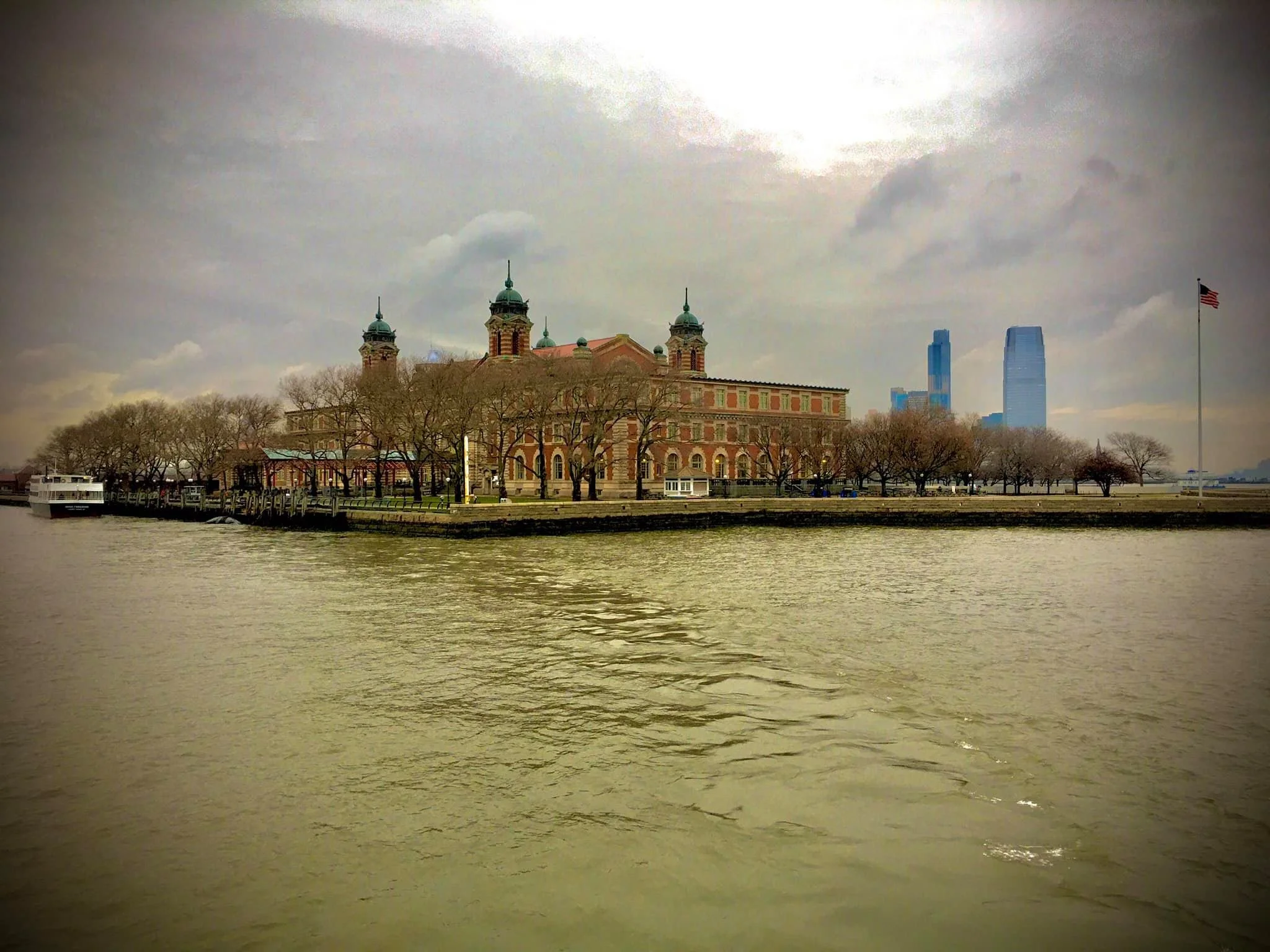
The previous name for Ellis Island was Little Oyster Island, and it was used for public execution of pirates in the 1760s, before John Samuel Ellis, a New York colonist from Wales, bought it in 1774. Ellis Island facility was built in 1892 to vet and process those who immigrated to the United States who wanted to become legal citizens. After the first inspection station was destroyed by a fire, a second, the present structure, opened in 1900.
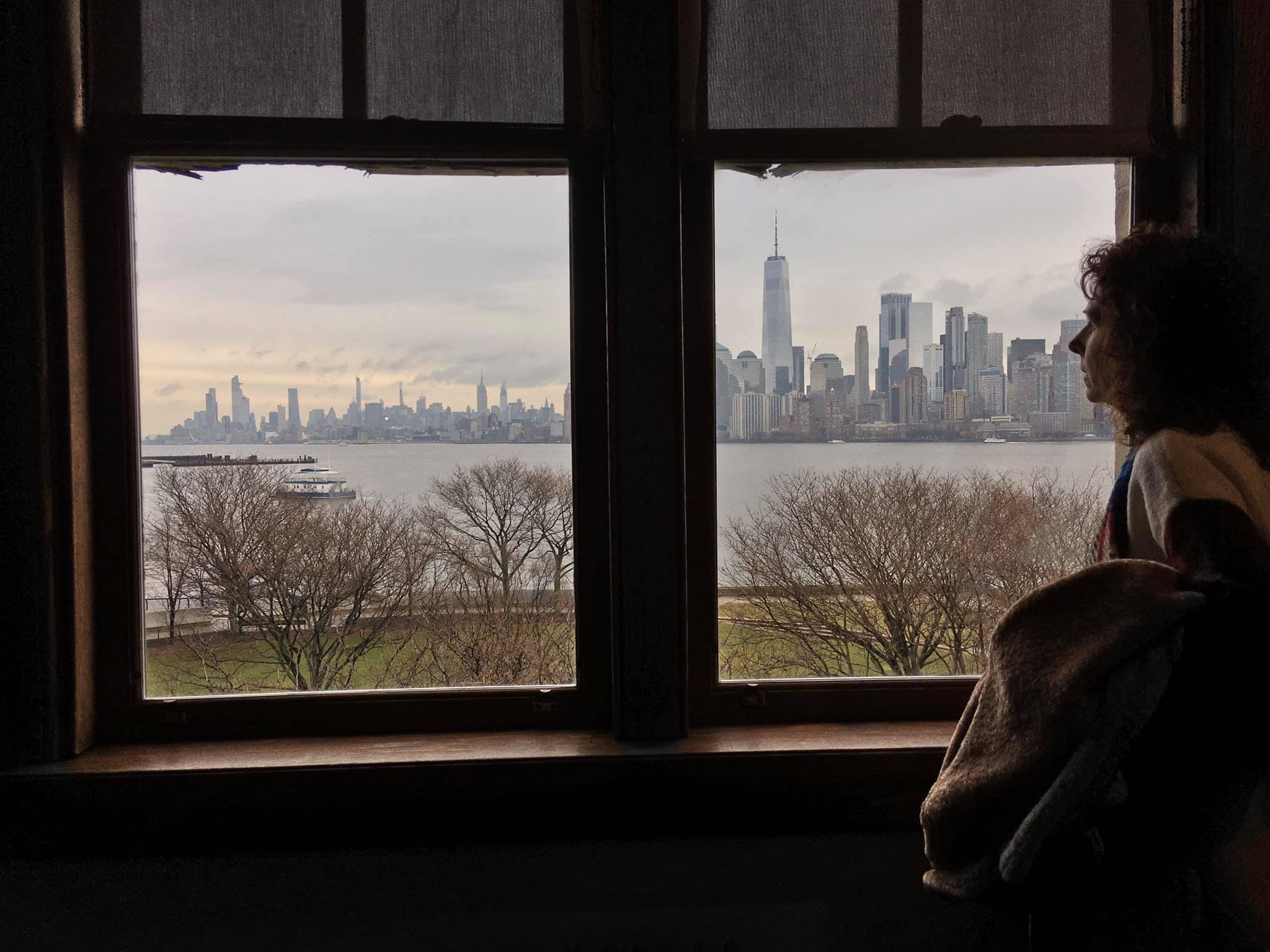
On opening day, January 1, 1892, the first immigrant was Annie Moore, a 17 year old girl from Cork, Ireland. Almost 700 immigrants were received that first day. The next year, 400,000, all passing through a series of medical and mental inspection lines. In the first five years of operation, 1.5 million immigrants were processed. When it closed in 1954, it had processed or detained around 15 million immigrants in 62 years.
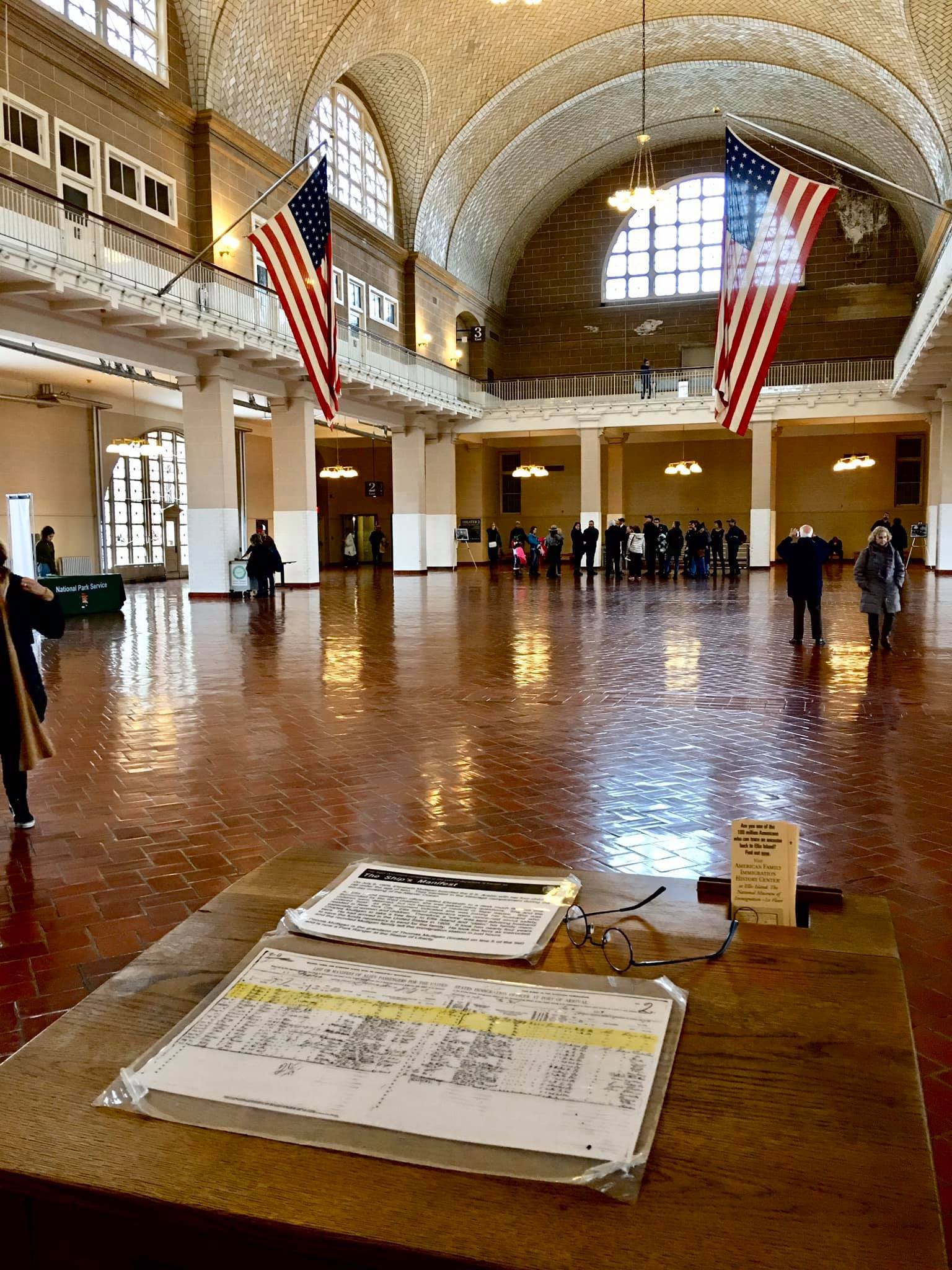
If you want to hear, see and read inspiring stories of human resilience, overcoming hardships and the triumph of the human spirit, this is the place! Imagine that empty floor covered with immigrants anxiously waiting to come up and talk to the man at this desk for admittance.
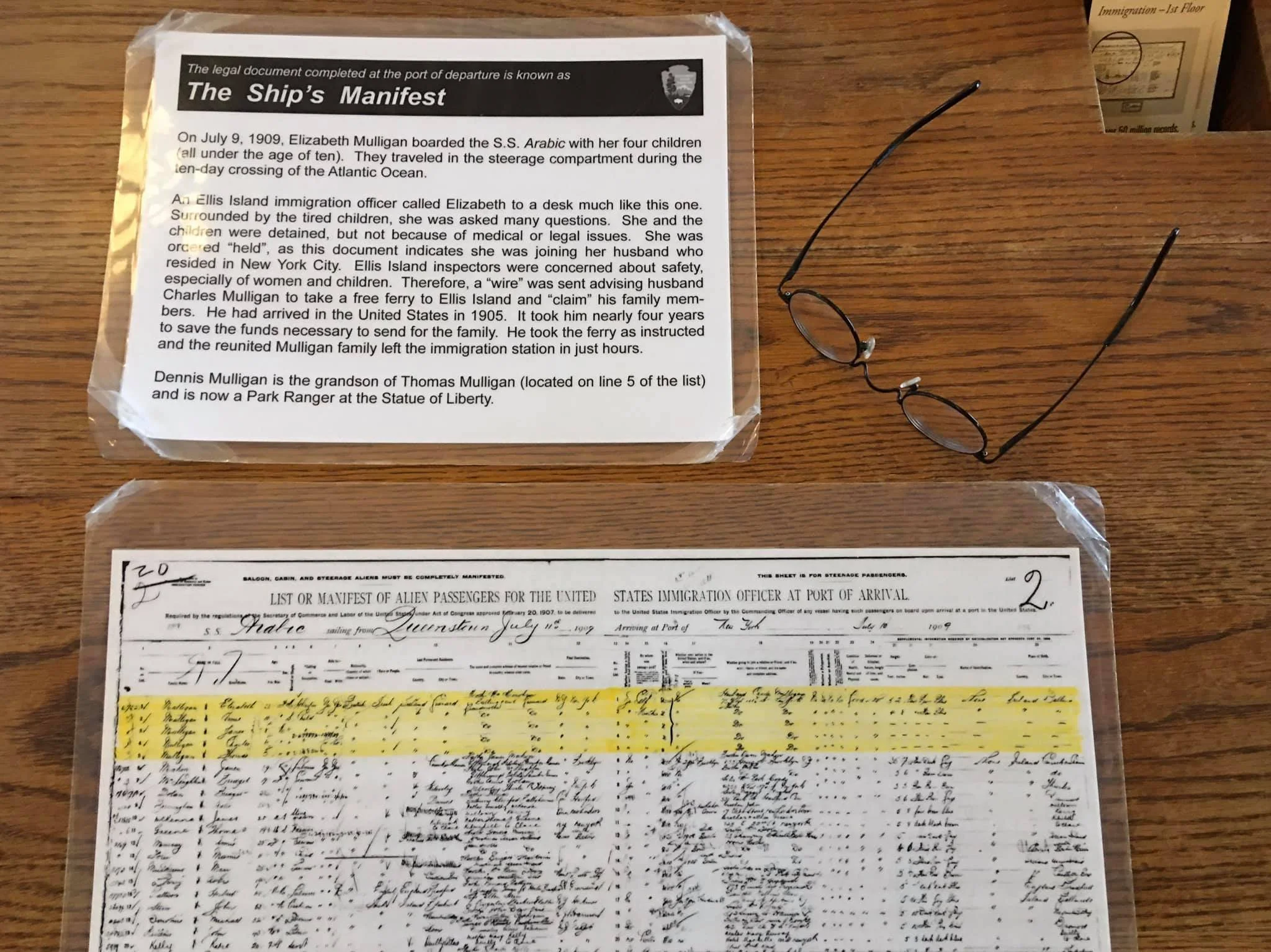
The masses who moved through these walls added their individuality to the American Experiment in many important ways. They labored, started businesses and contributed to communities all across America. Some of them even became well known. You can discover their countless stories in the museum.
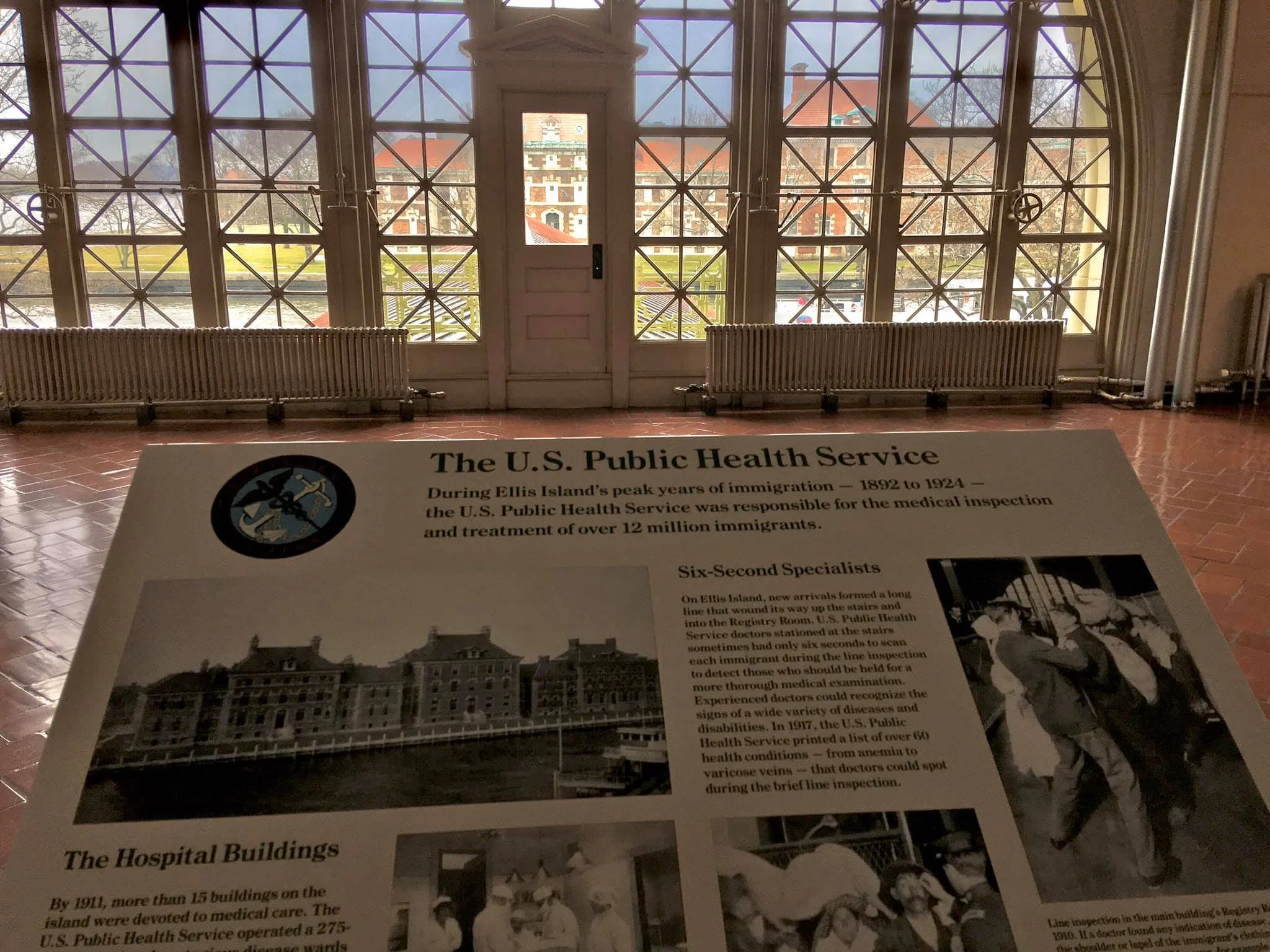
The Hospital Buildings can be seen across the way though the detailed pane glass.
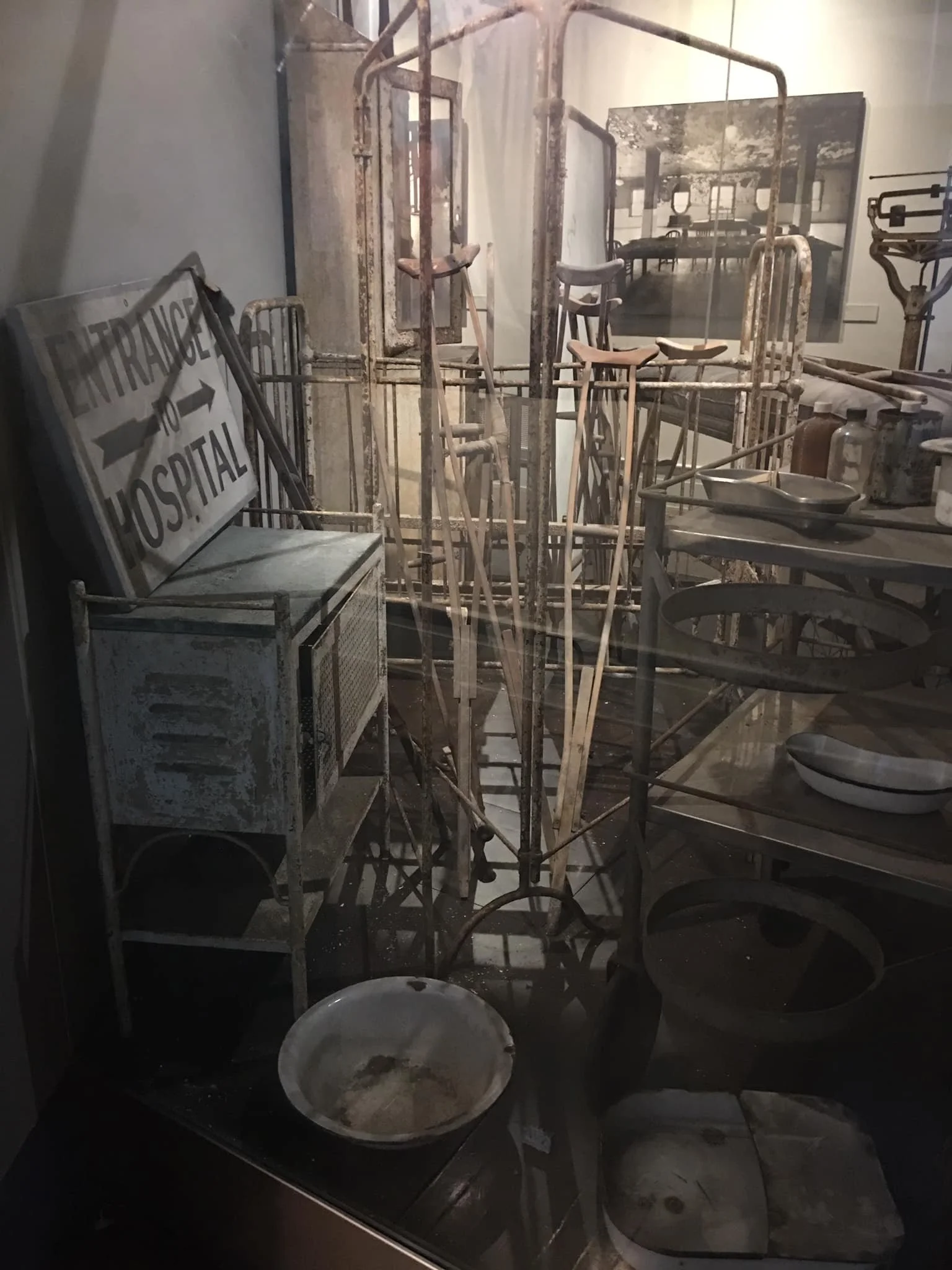
These are a few of the items left here for decades, when the facility was abandoned
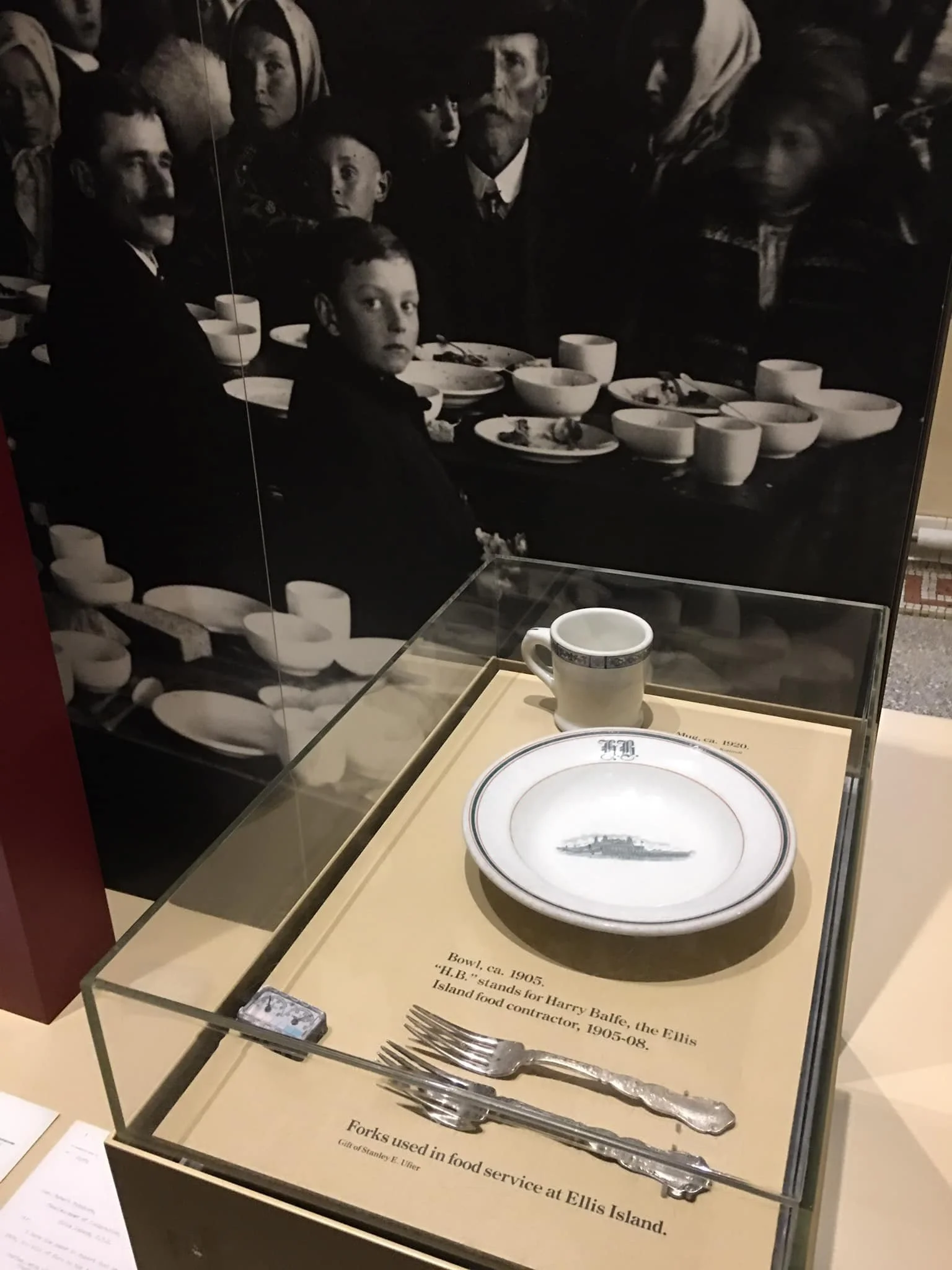
In the days before paper plates and plastic forks…there was… Dignity.
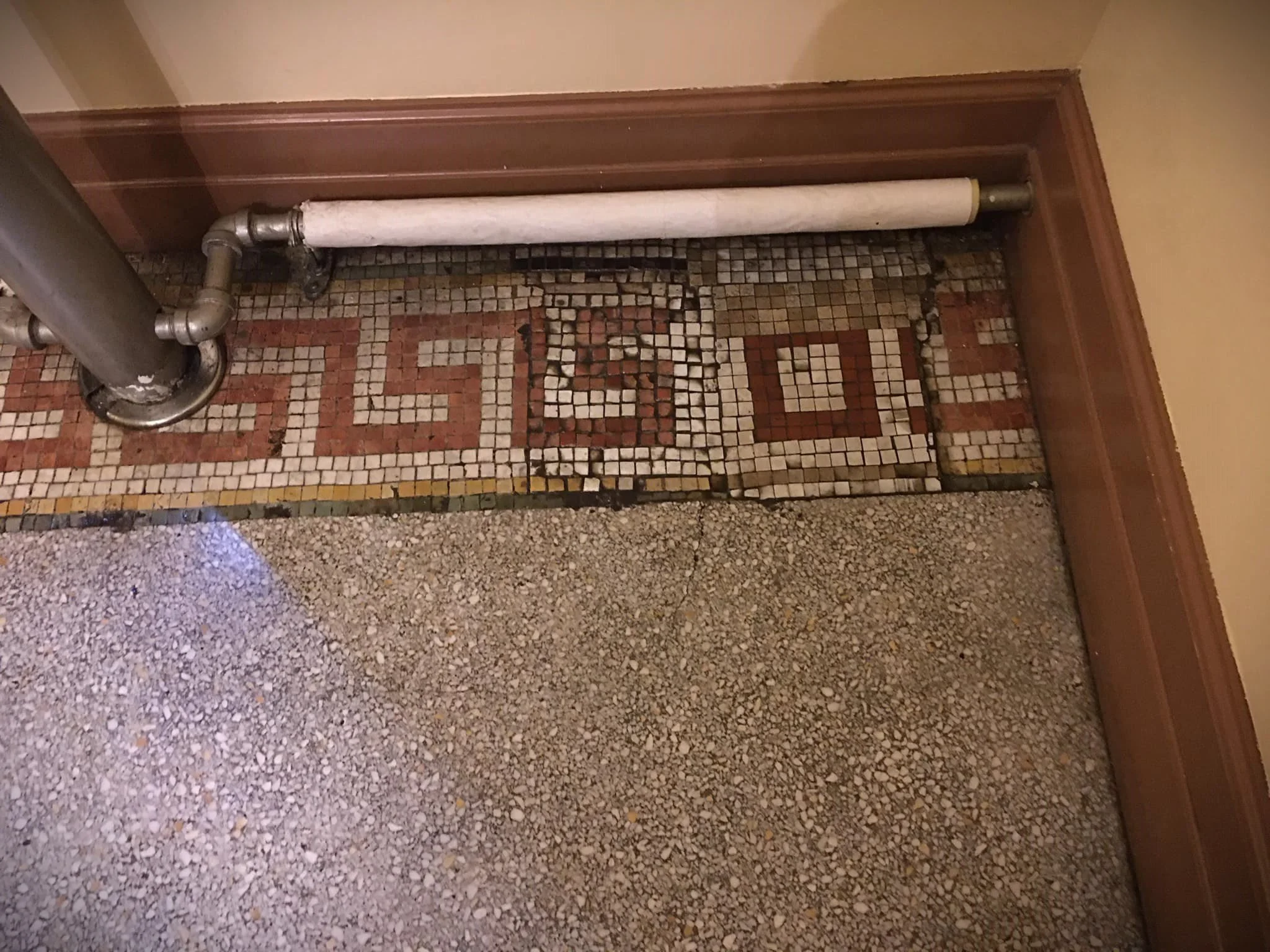
Details matter. Decoration to declare “You are worthy of effort. You deserve better.”
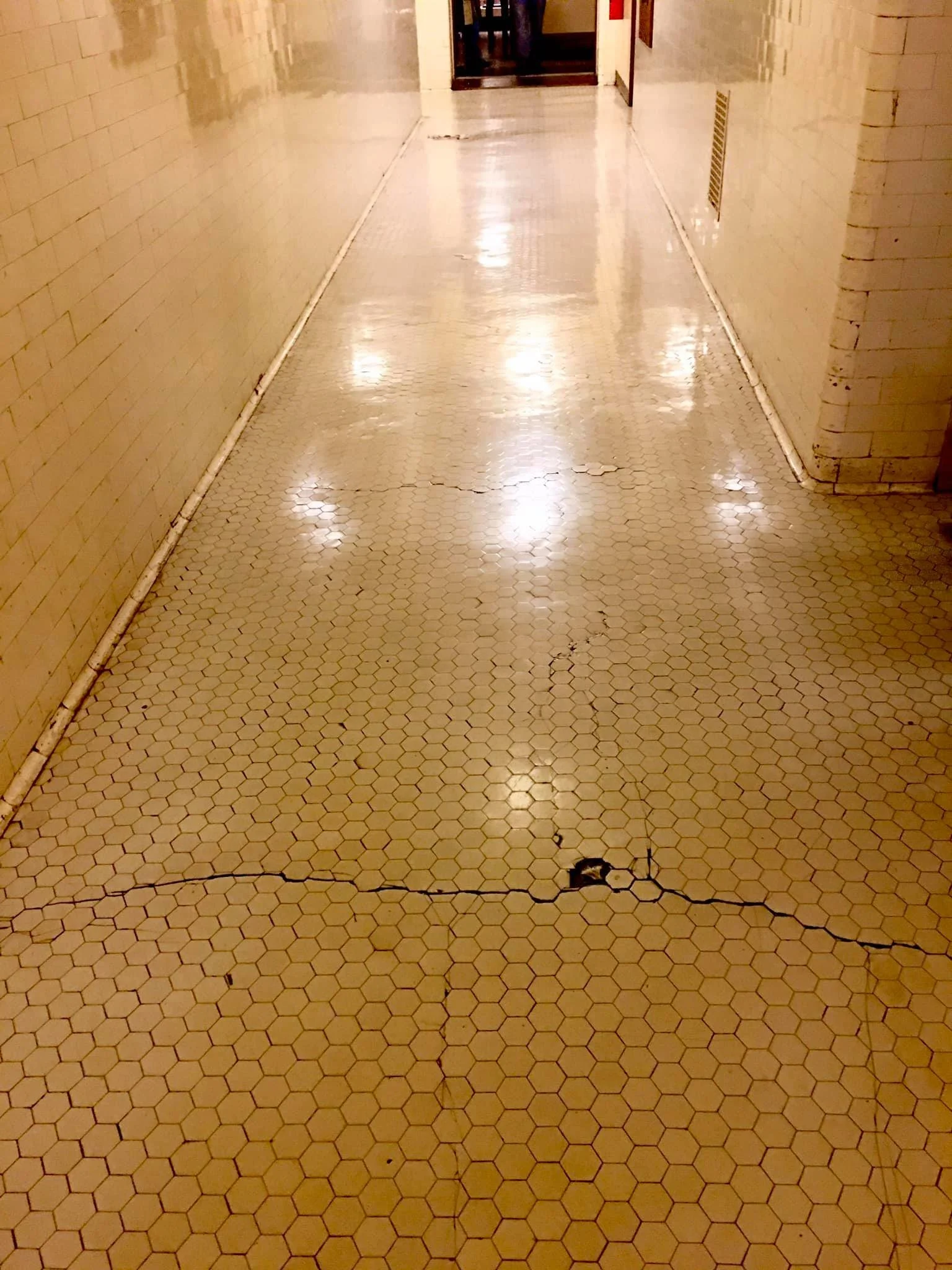
We are the floors. Our Cracks and Dips tell the story of the weight we bore and the scars we healed. We carried the weight of millions who walked our hallways in hope of being free to claim their own potential without suppression. We were their path. We are the floors.
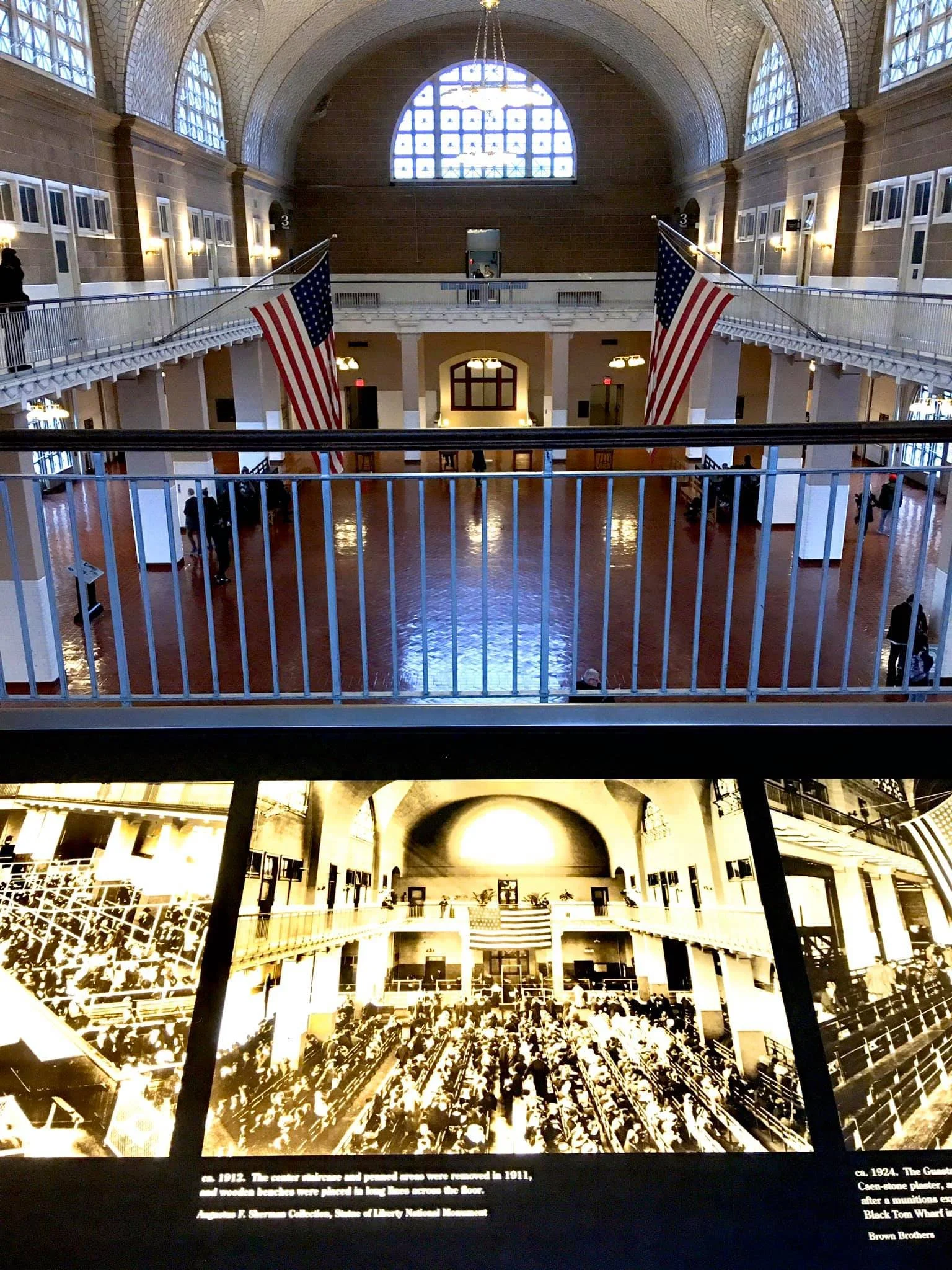
The Great Hall as it appears now (Top) and in 1912 (bottom display)

Basilica of St. Patrick’s
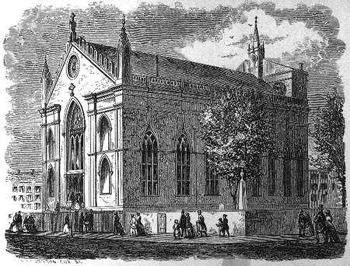
7 blocks north of the old Five Points (Its violent history now buried over by Columbus Park) in the old Bowery neighborhood of Lower East Manhattan is a church that has ties to both the slums and violence of the Bowery and the opulence and affluence of Fifth Avenue—The Basilica of St. Patrick’s.
This historic landmark was built between 1809 and 1815 and was the seat of the archdiocese of New York, until the well known St. Patrick's Cathedral in Midtown Manhattan opened in 1879. When it was built, it was far removed from the city and around it was only farmland and the country houses of the rich in NYC. St. Patrick’s Old Cathedral School across the street from the Cathedral was the childhood parish of Martin Scorsese, whose famous film The Gangs of New York dramatically interpreted the violent events of that neighborhood.
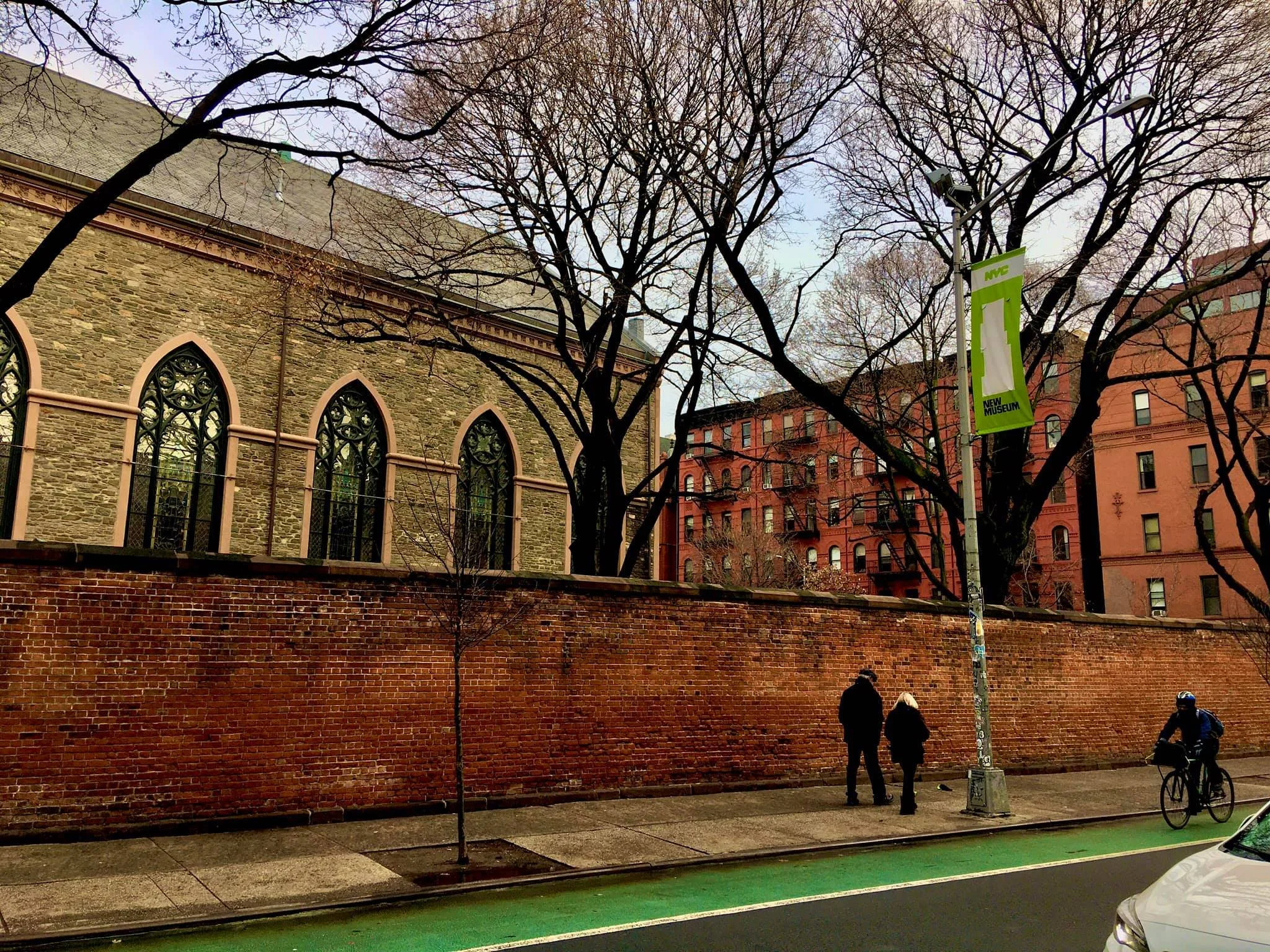
This wall was built in 1834 to protect the church from the violent neighborhood surrounding it. Anti-immigrant and anti-Catholic groups, called “Nativists” delivered violent attacks. The priest actually raised a thousand man army with rifles to defend the church at night from Five Point Gangs like the Bowery Boys, Dead Rabbits and individuals like Bill the Butcher—all made famous in the movie, Gangs of New York. Five Points, just to the south of here, was the most dangerous and notorious neighborhood in NYC history, filled with murders, tortures and prostitution.
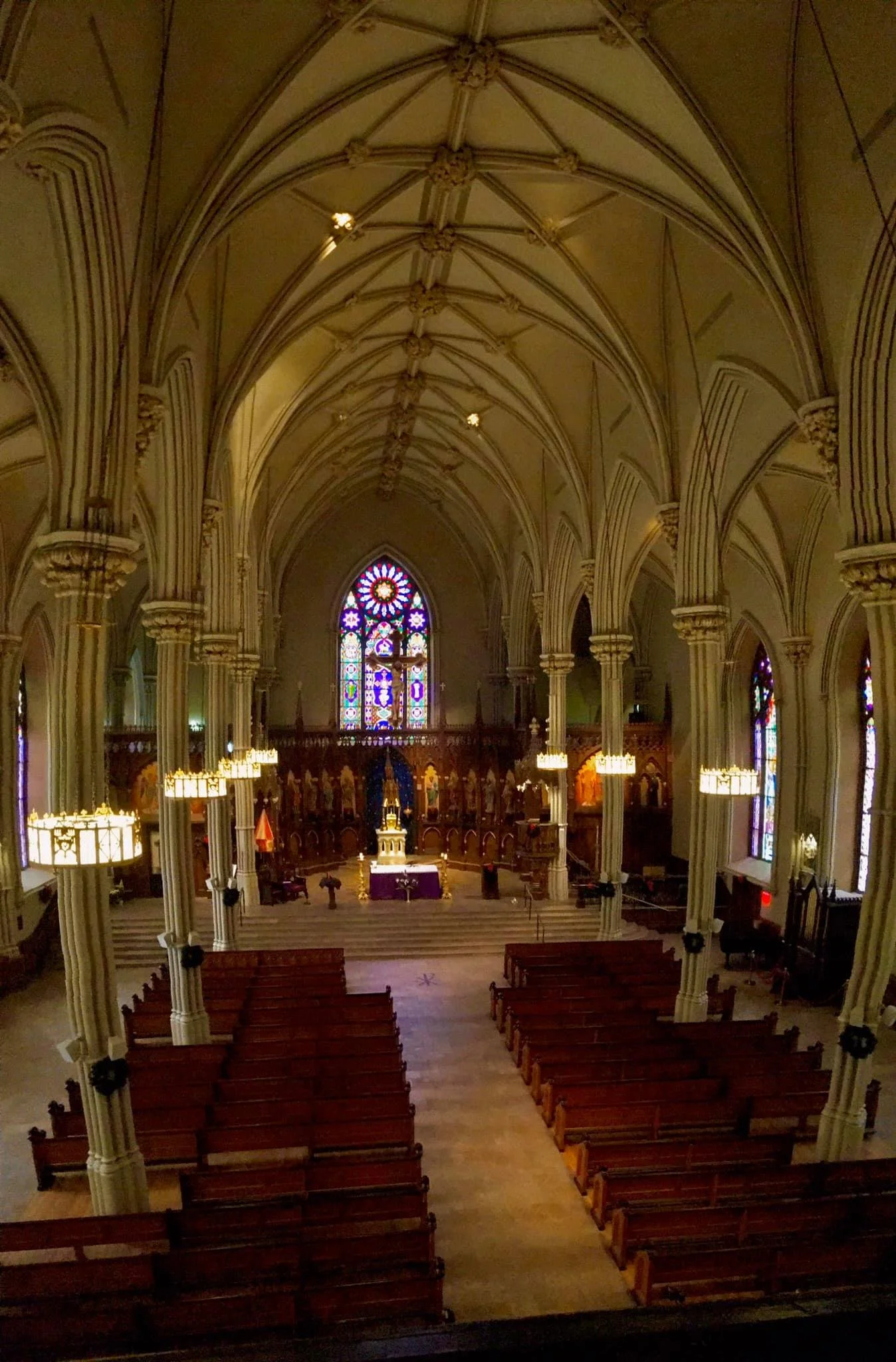
The inside of the Basilica of St Patrick’s where the baptismal scene from The Godfather was filmed. There was a different backing behind the alter (shown in separate picture). The infant in the scene was Francis Ford Coppola’s (Director of Godfather) daughter. 20 years later, they came back and filmed here again, when she was fully grown and acting in Godfather 3.
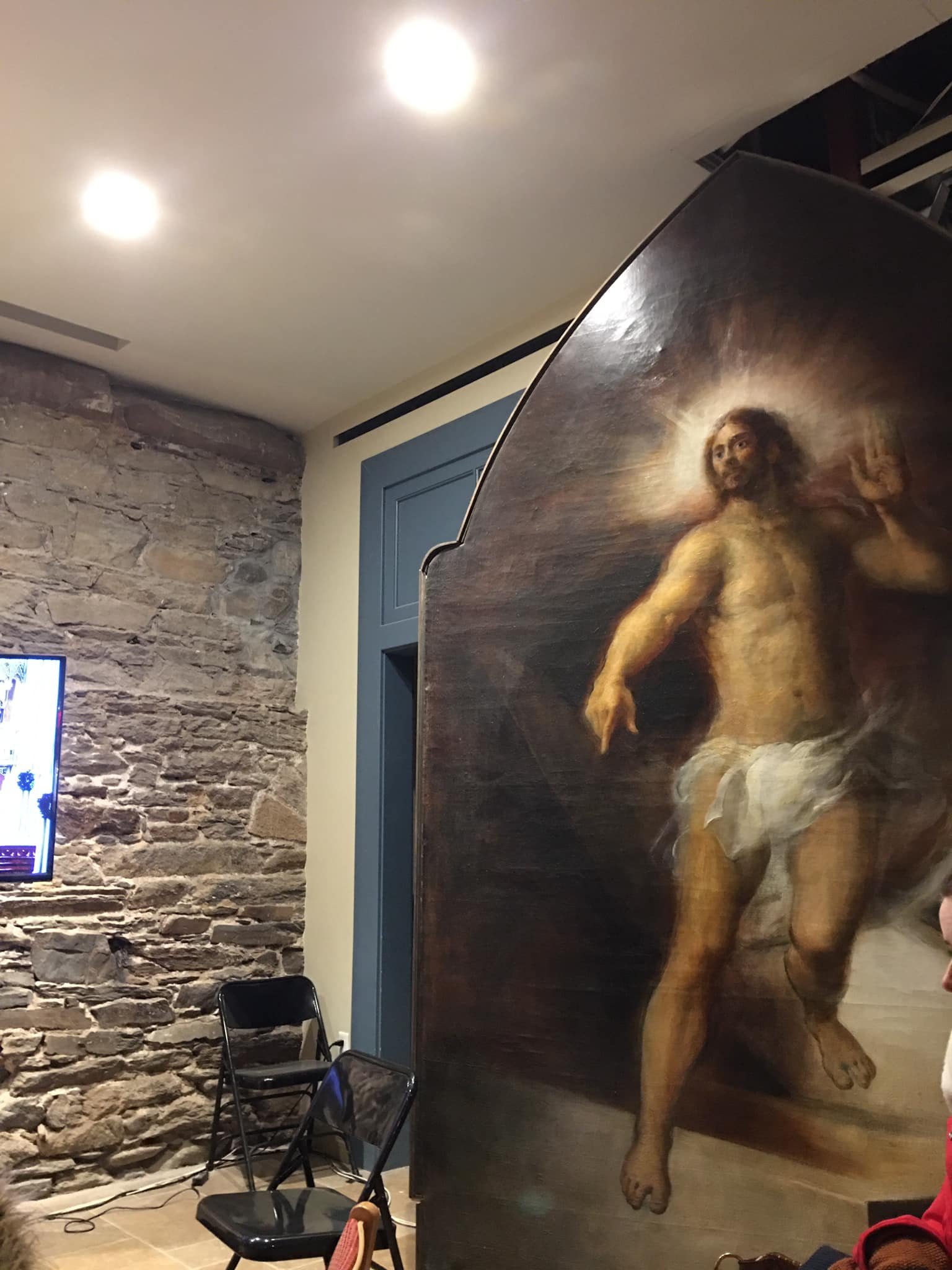
We found this painting in the basement that appeared behind the alter in The Godfather movies
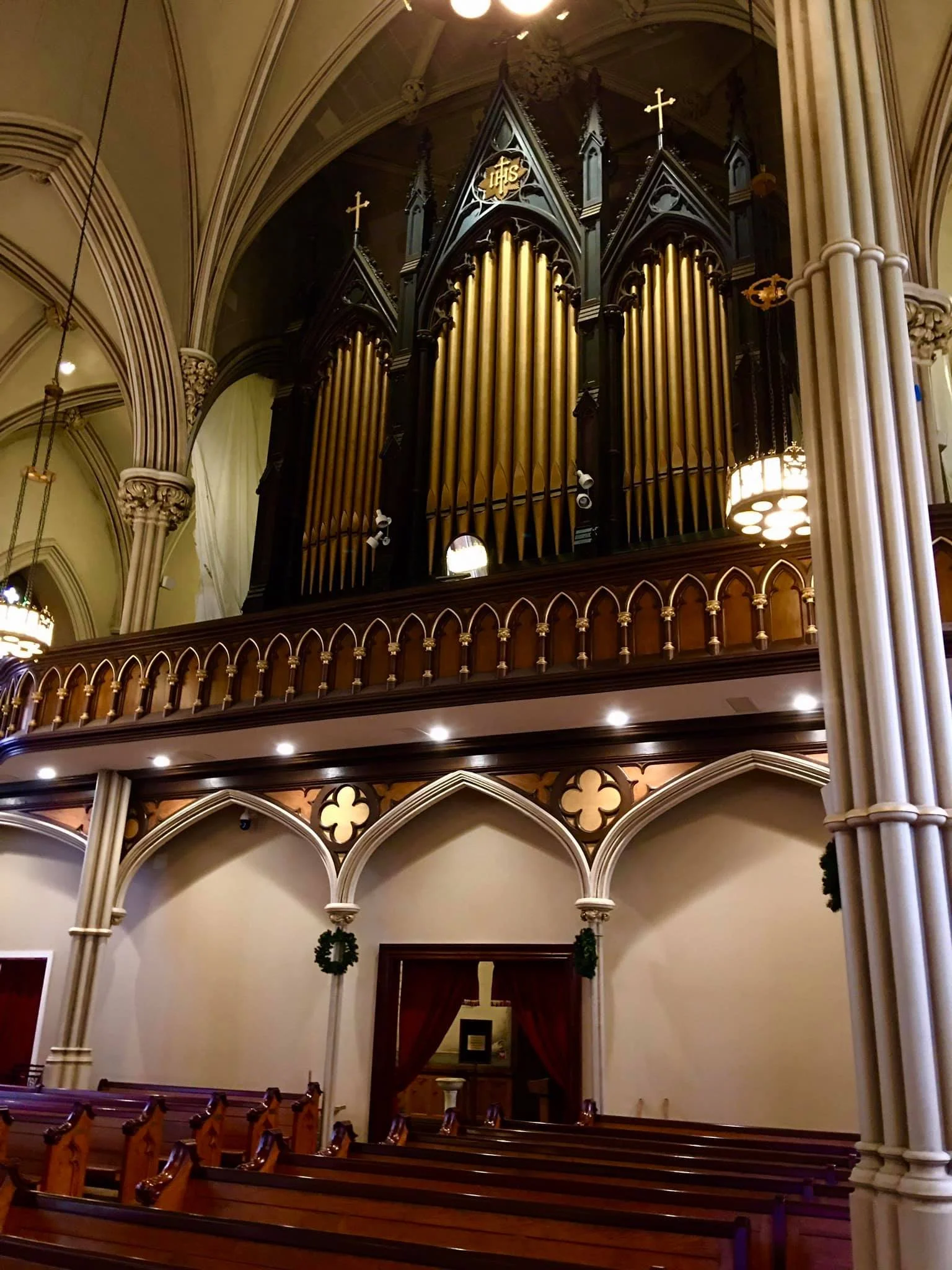
The 150 year old pipe organ, still in good working order. The organ is the size of a New York townhome with 2500 pipes
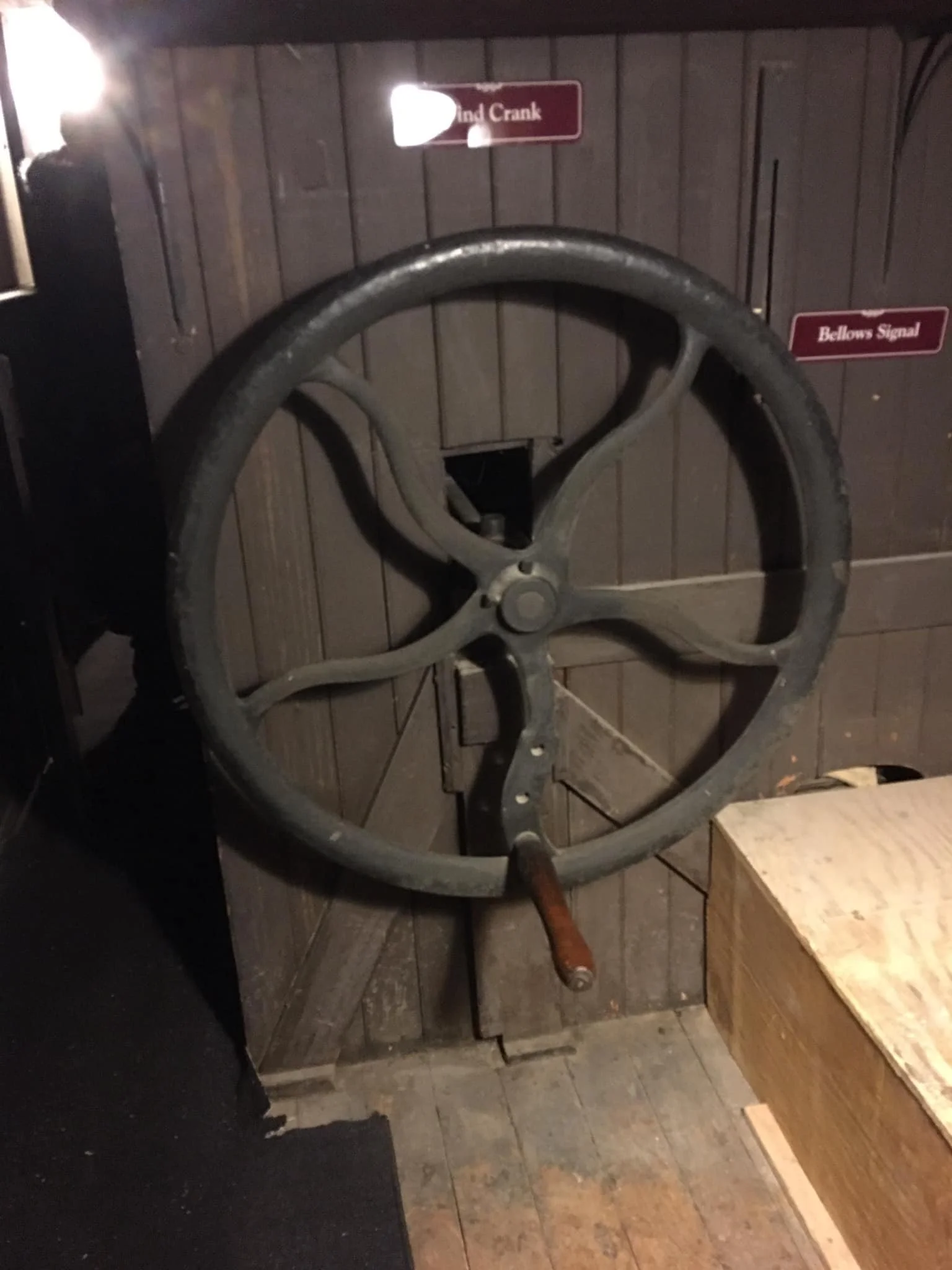
This crank is what supplies the air for the pipes. It had to be turned for the 2 hour Latin mass. Today they use electricity.
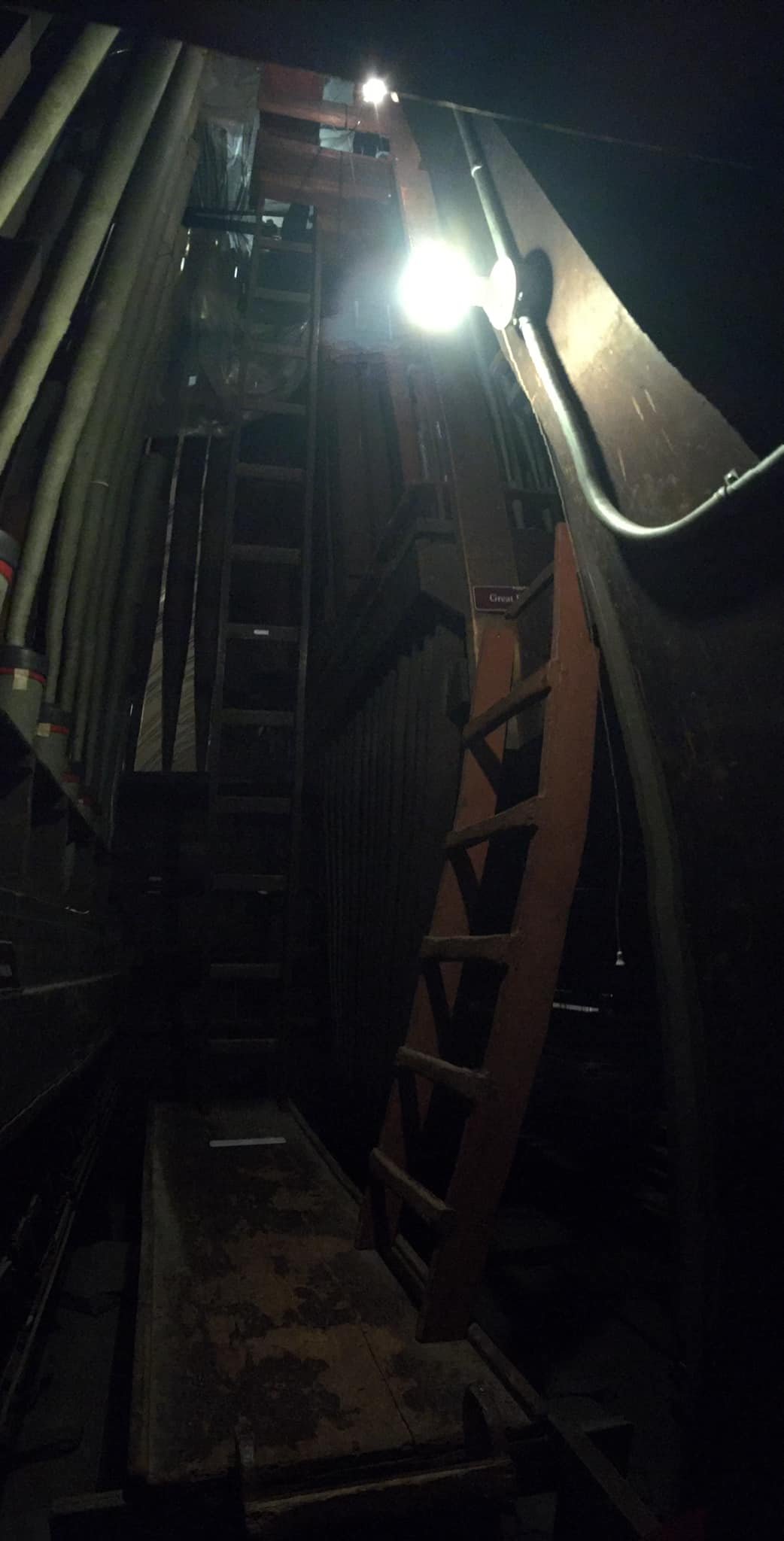
Very few people get to see this (We made a special friend)…but behind the organ pipes are ladders to access and work on the pipes.
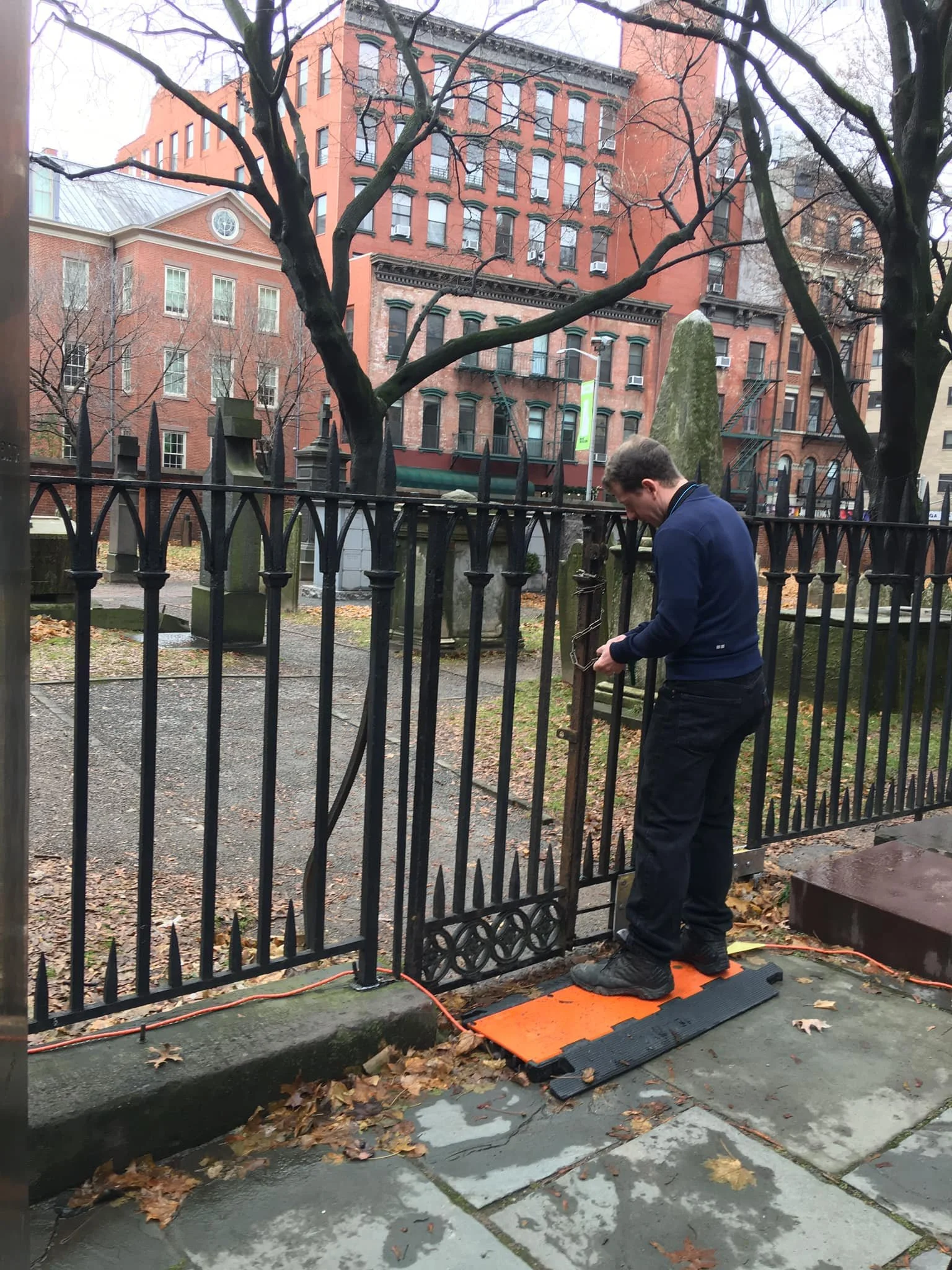
Gaining access to the Graveyard…Our Tour Guide unlocking the Gate for our Ghoulish Tour of what lies beneath the church.
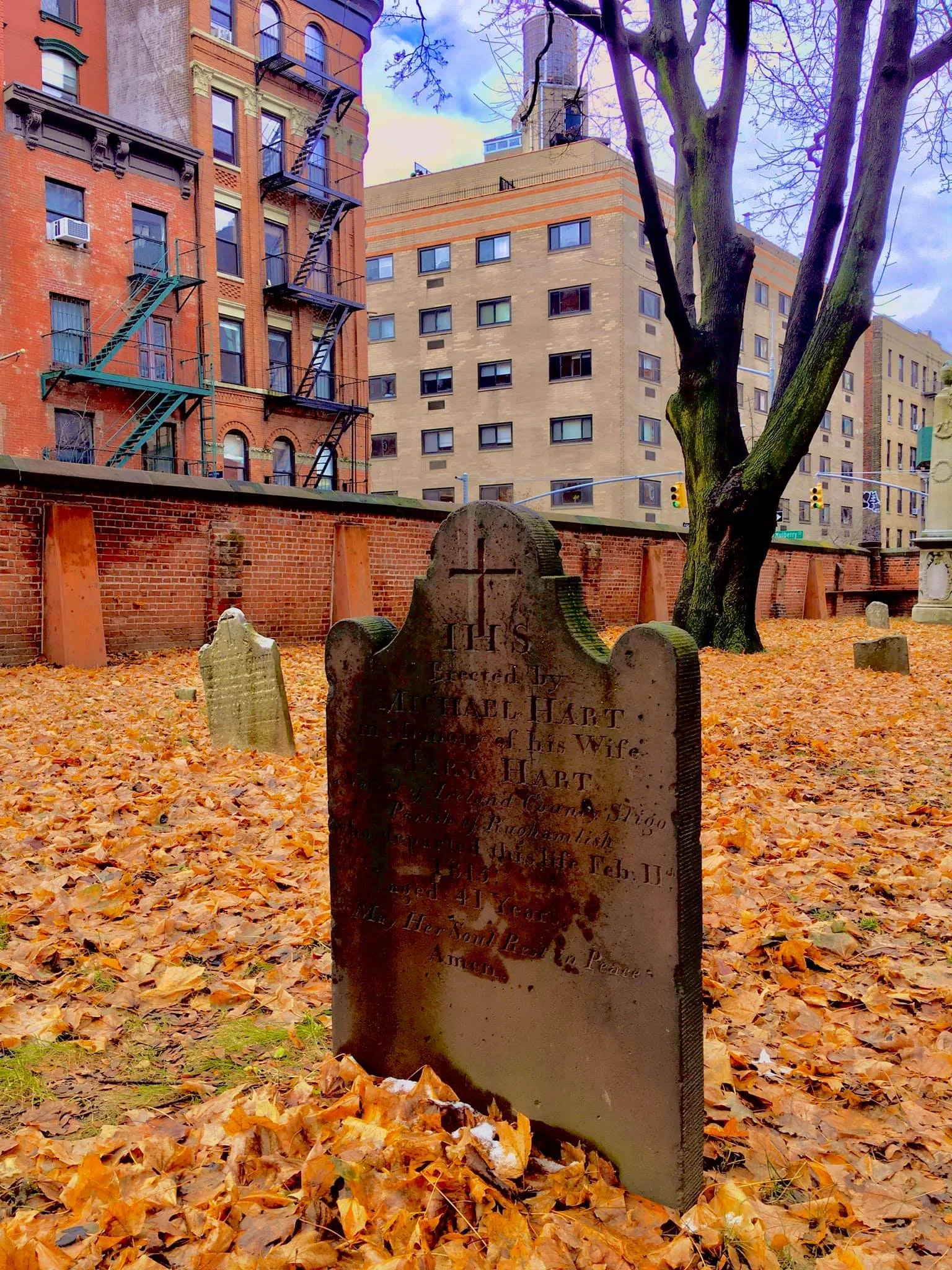
There are over 30,000 people buried in the small graveyard of the Basilica, most in unmarked graves and most stacked in multiples on top of each other.
A Venture into What Lies Beneath…
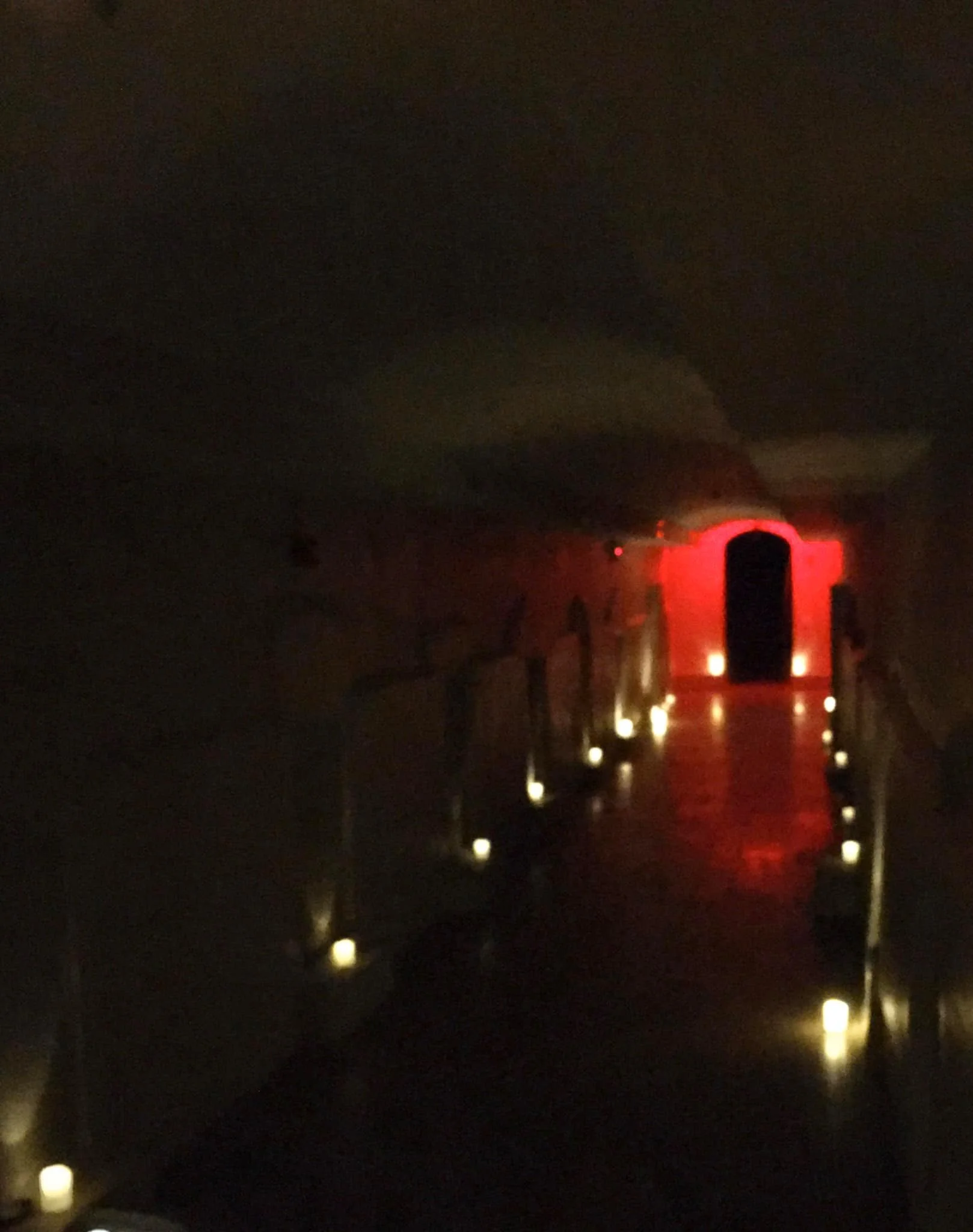
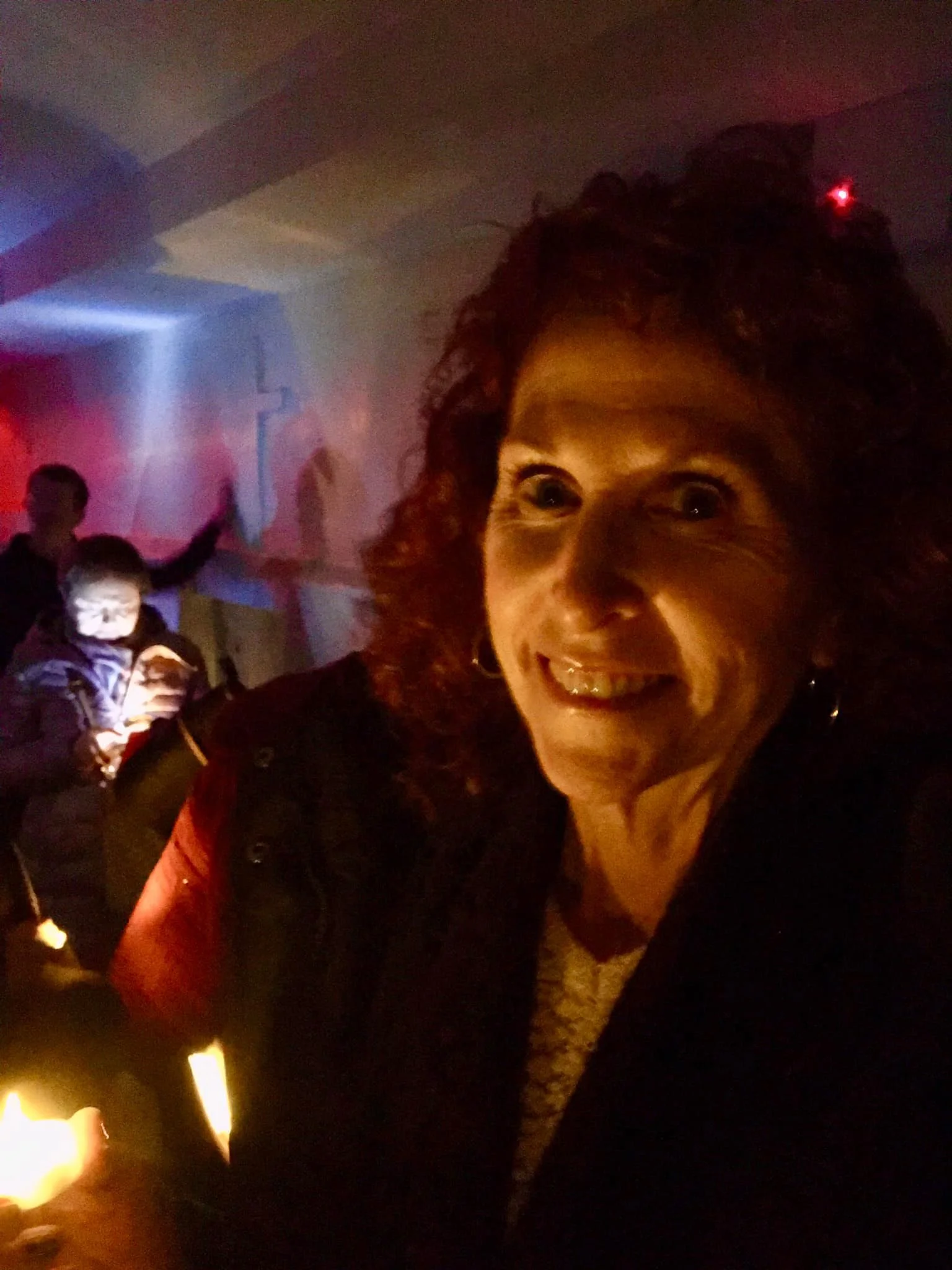
We were fortunate enough to visit soon after they just started offering tours to the public of the historic Catacombs beneath the Basilica. You can see them, too! These are among the very few catacombs found in the United States. For more than 200 years, these were seen rarely by anyone outside the clergy, workers and the families.
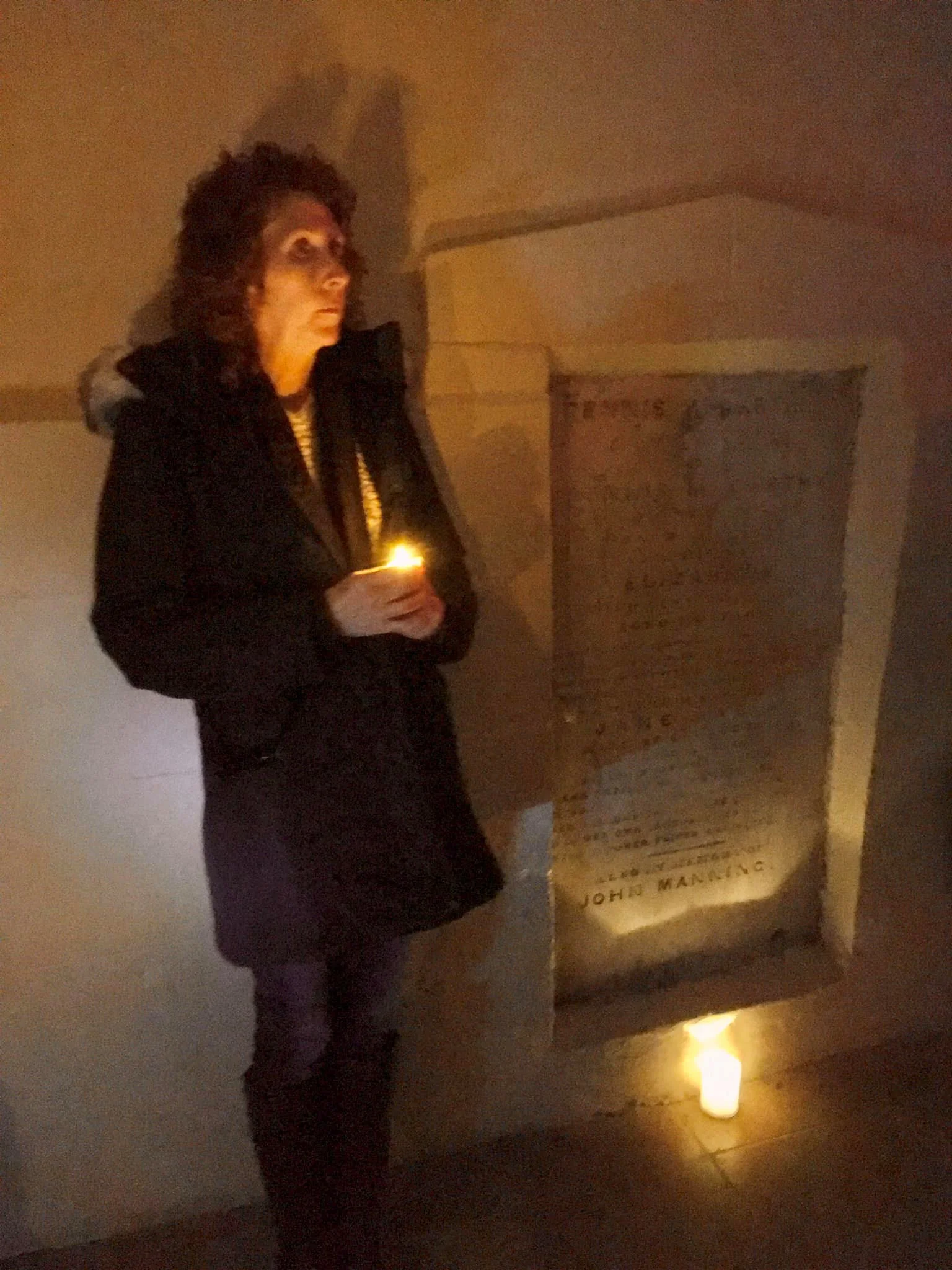
Underneath the Basilica, all the priests who served here are interred behind walls like the one Susan is standing against. Wealthy members of the parish are also buried behind these walls. They would pay a million dollars or more (in today’s dollars) for the right to be kept in the catacombs after they died. Behind this small sealed door is a room that can hold up to 16 coffins on shelves.
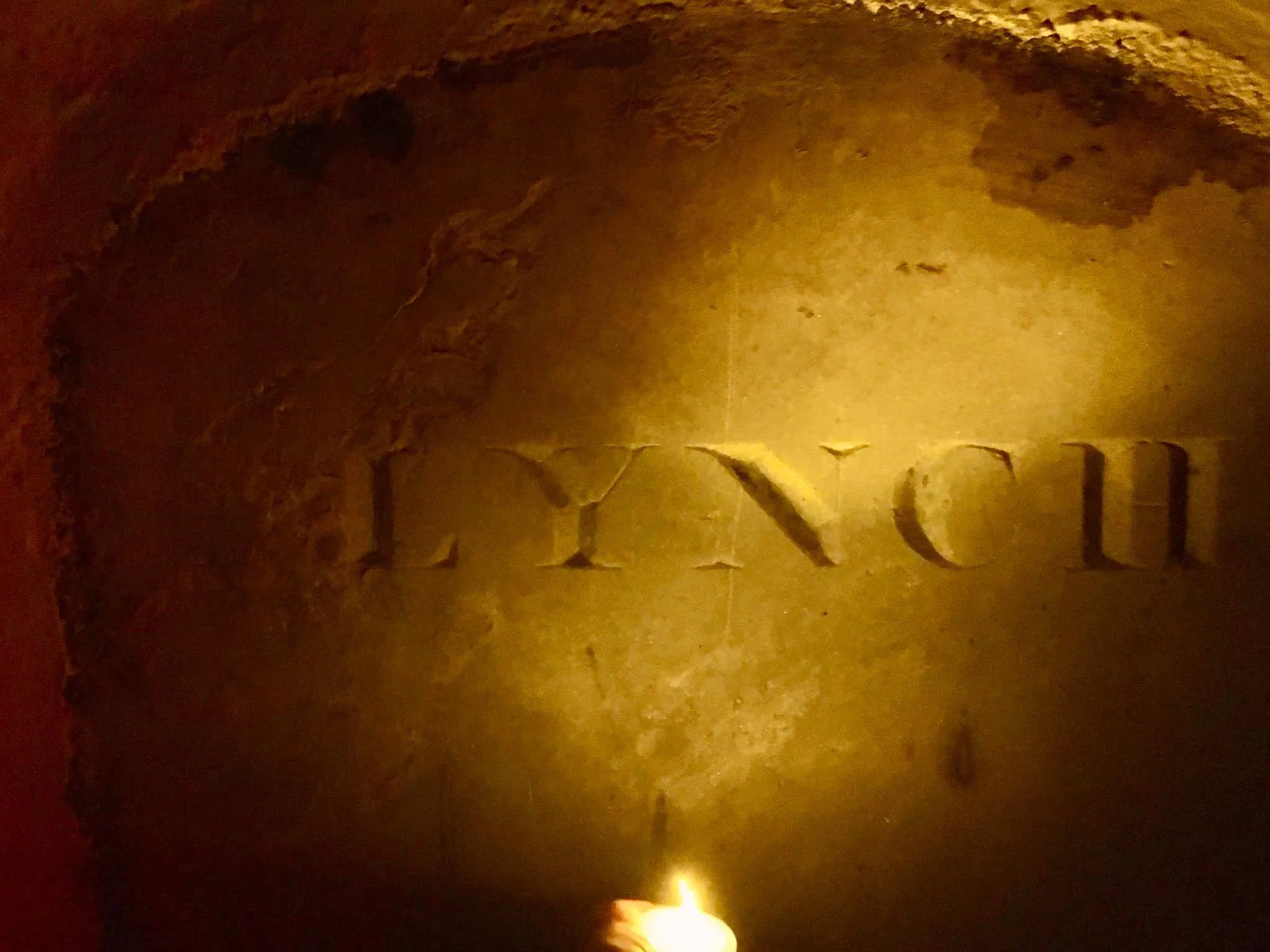
Behind this wall lies Dominick Lynch, a wealthy NY wine merchant who fell in love with Italian opera and brought it to North America , debuting in NYC. It was a smash hit almost immediately. His family is interred along with him here.
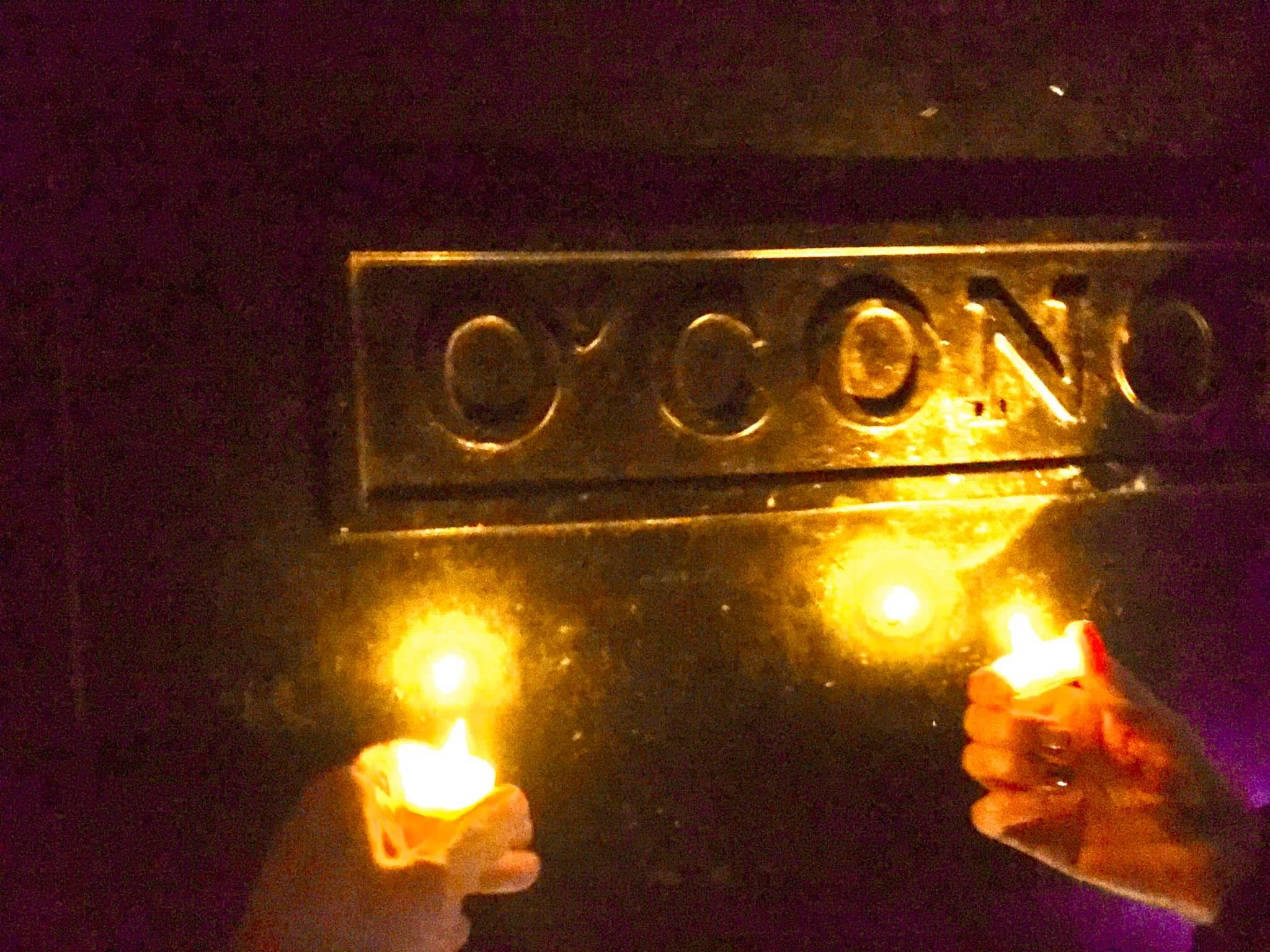
Charles O’Conner, presidential candidate 1872 and prominent divorce attorney for women—a rarity in the 19th century. He became very wealthy doing it and travelled the world. His father, Thomas O’Conner, editor of the first Irish newspaper, The Shamrock, is also here. As I recall this is the only steel door there.
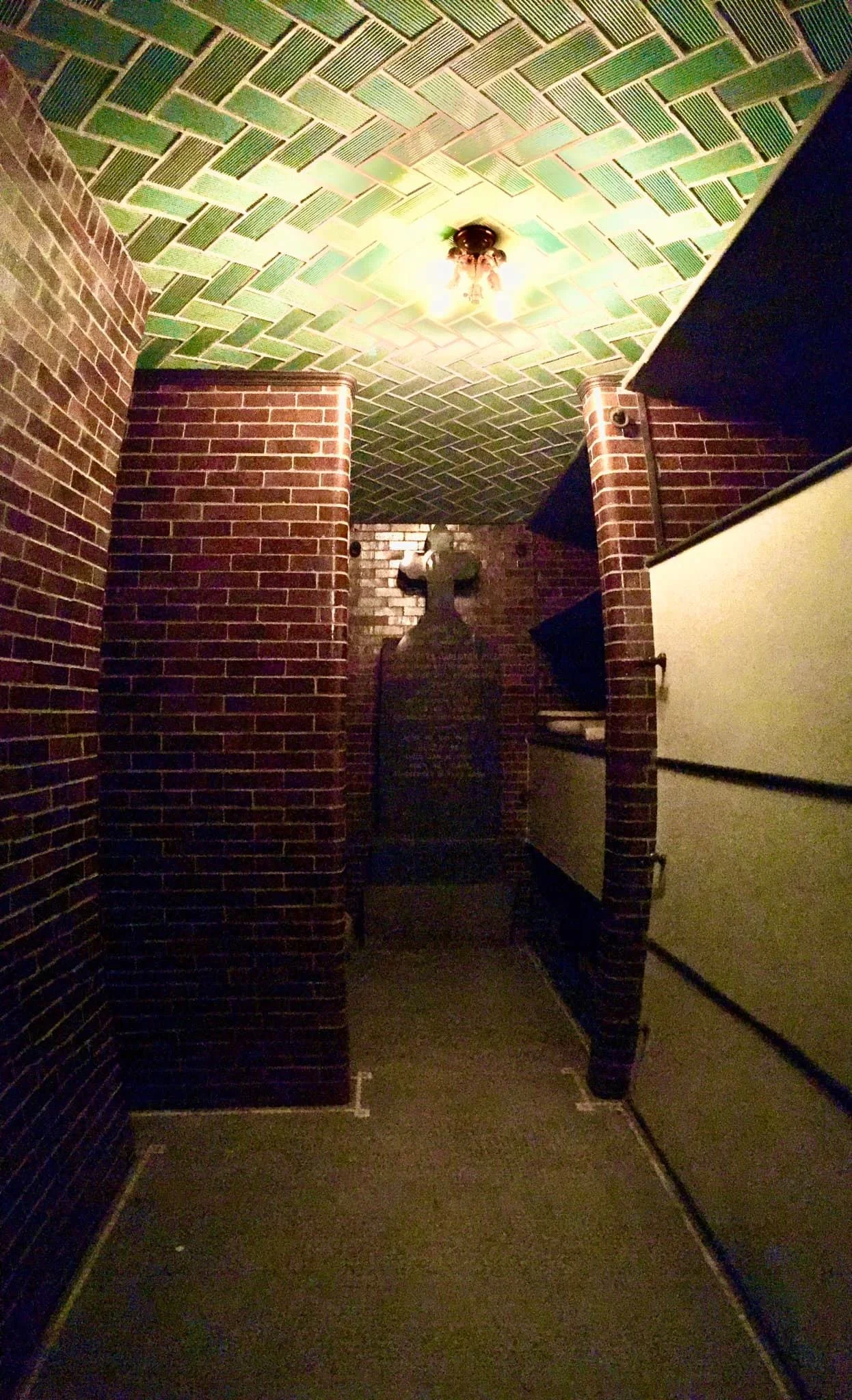
This tomb is open to the public because of a tragic story. The owner spent 5 million of today’s dollars and only 4 people are here. The lights were installed by Edison and the fixtures are original. Thomas Eckert, friend and confidant of Lincoln, built Western Union from the ground up. He is in the back, alone. His wife and her parents are the other 3 . His 3 sons are not here. He left the tomb unlocked in the hopes they would visit him and eventually join him here.
Eckert had 3 sons...one older and two younger. He split his fortune between them, but the older, more mature son got his in one lump sum. The 2 younger got their share in annuity payments of over $100,000 a year for the rest of their lives. But they were jealous and sued the older brother, diminishing most of the fortune. They never spoke again. Their heartbroken father hoped they would make amends and left the tomb unsealed hoping they would visit and join him. No one at the church ever saw them visit, but this shrine at the end was placed by the older son for his father.
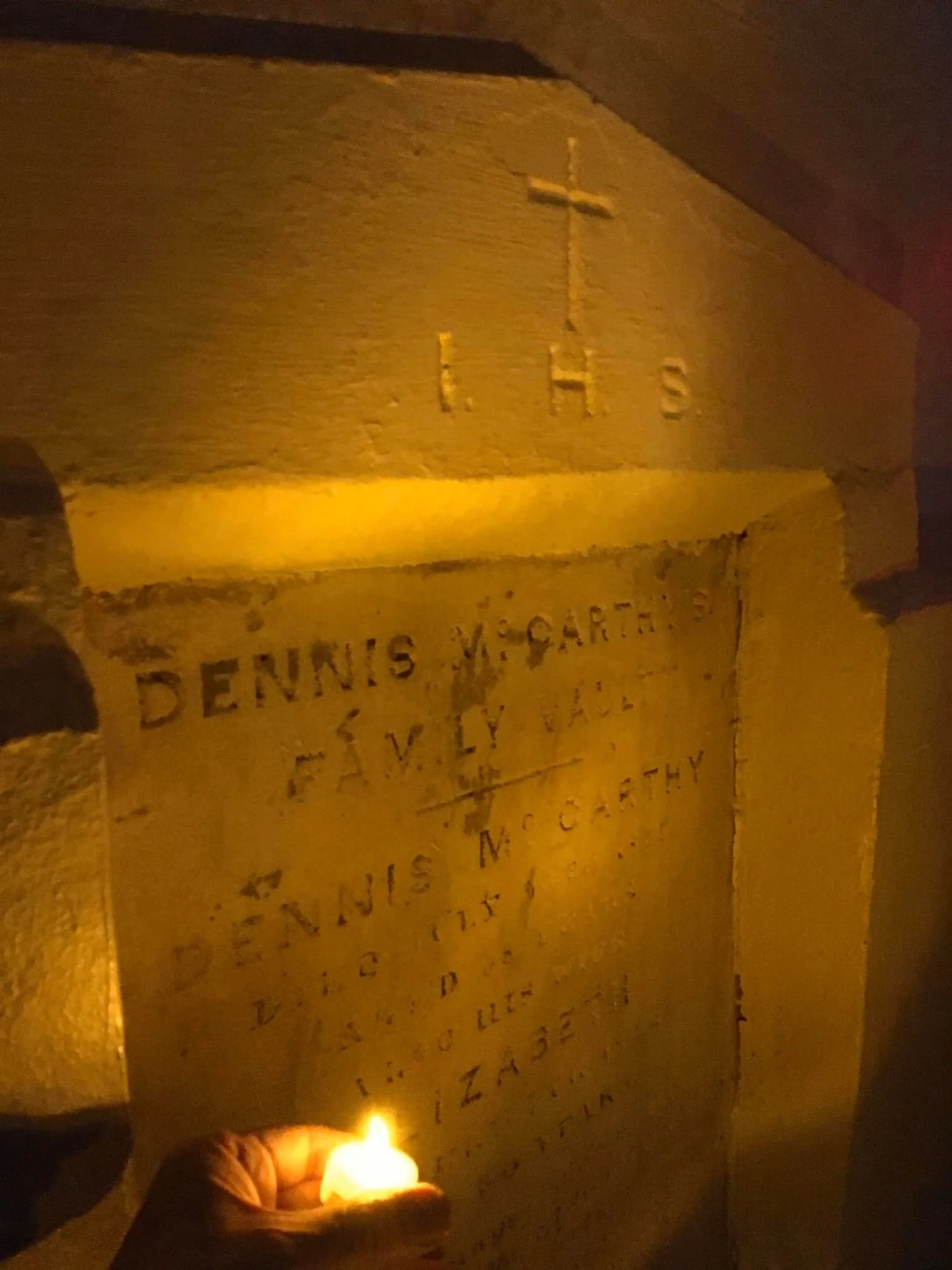
Sealed entrance to a tomb room. Many other influential and famous New Yorkers can be found here, including the Delmonico famliy, restaurateurs credited with introducing Baked Alaska, Eggs Benedict and Lobster Newburg.
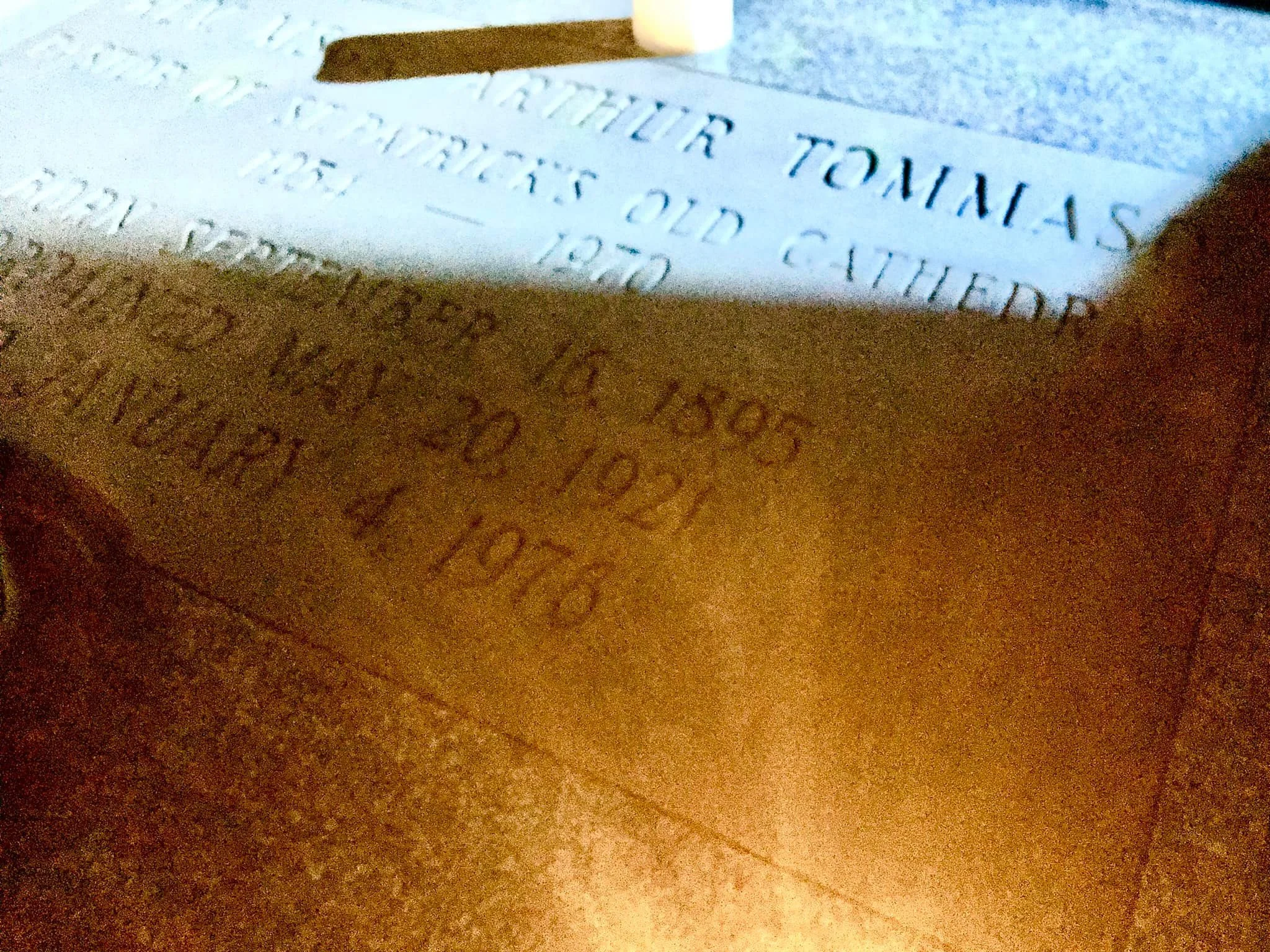
The last priest who was interred here. Parishioners are stacked, priests are placed in sarcophagus. This particular priest was also Martin Scorsese’s teacher in elementary school.
Bishop John Hughes was originally interred here, but after 18 years was moved to the more newer and more elaborate St. Patrick’s Cathedral on 5th Avenue. Known as "Dagger John" for his sharp tongue and street fighting skills, he famously protected the Catholic community from a mob of Protestants with a show of force of armed parishioners. He always placed a cross next to his signature which resembled a dagger.
Little Italy and Lombardi’s
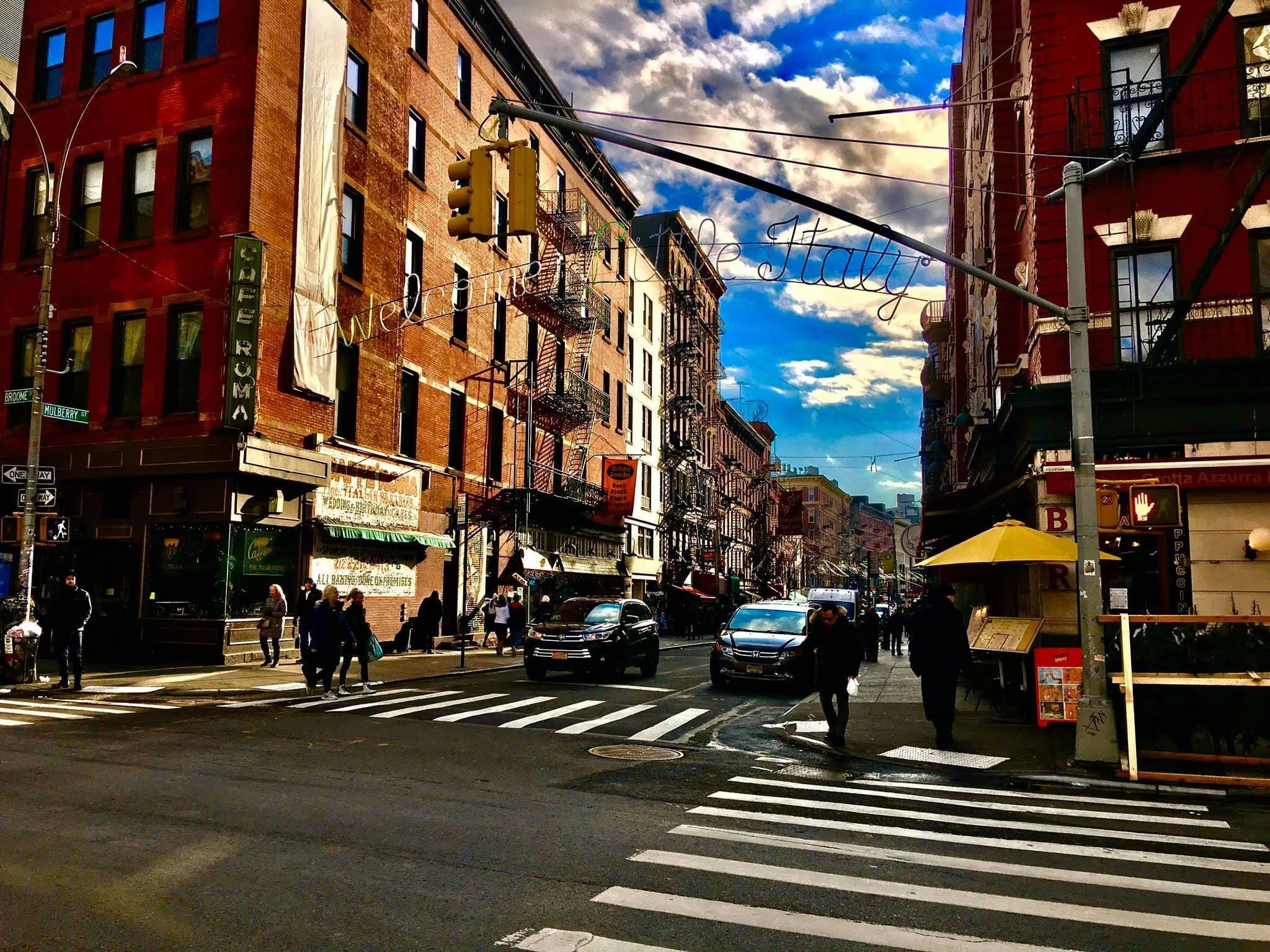
Just south of the Basilica is the neighborhood known as Little Italy, known for its former large Italian population but now surely being overrun by Chinatown to its south. The Feast of San Gennaro began in September 1926 with the new arrival of immigrants from Naples. A large street fair, lasting 11 days, it takes place every September. Here you can find multiple restaurants serving historic Italian food.
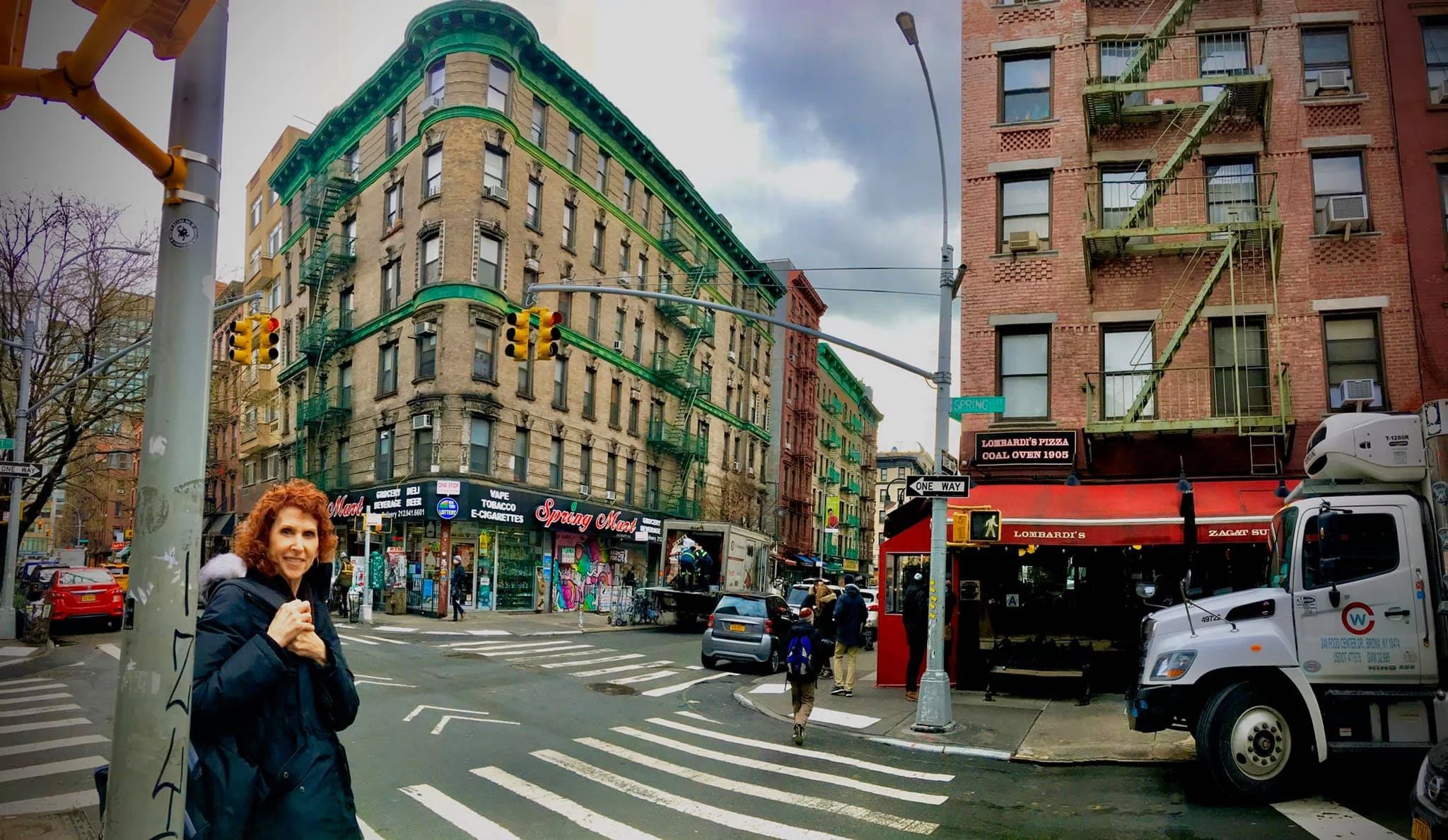
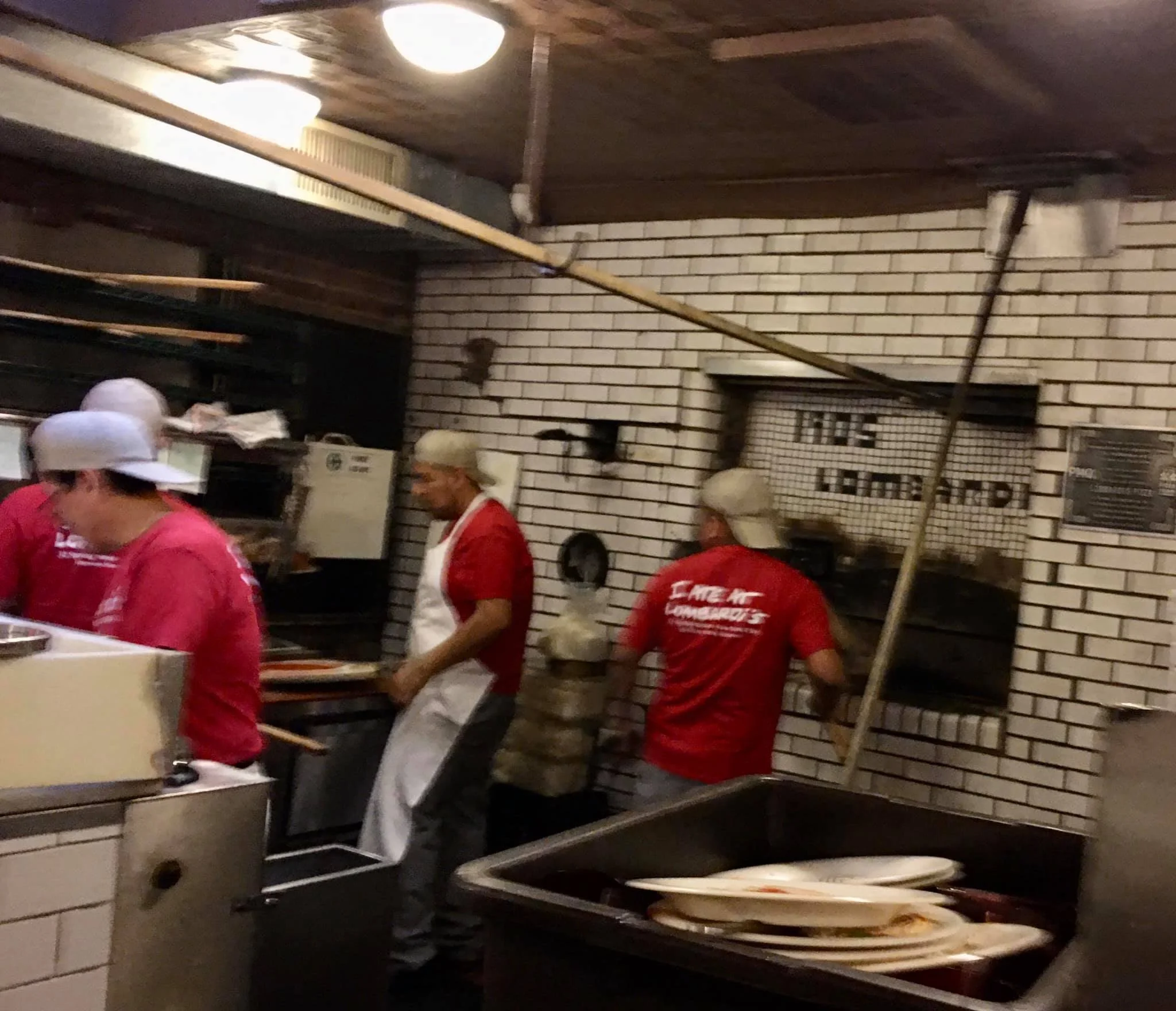
Lombardi’s is the place where pizza restaurants are credited with being born in America!! Gennaro Lombardi worked in a grocery store in Little Italy that began selling tomato pies. They became so popular, later Gennaro opened Lombardi’s Restaurant. The oven itself is designated a National Historic site and Lombardi is credited with developing the first New York Style Neapolitan Pizza. Recent research, however, has put a question mark on the details of that story, saying it was Phillipe Milone who was the first. Regardless, Lombardi’s still has a strong place in the history of pizza.
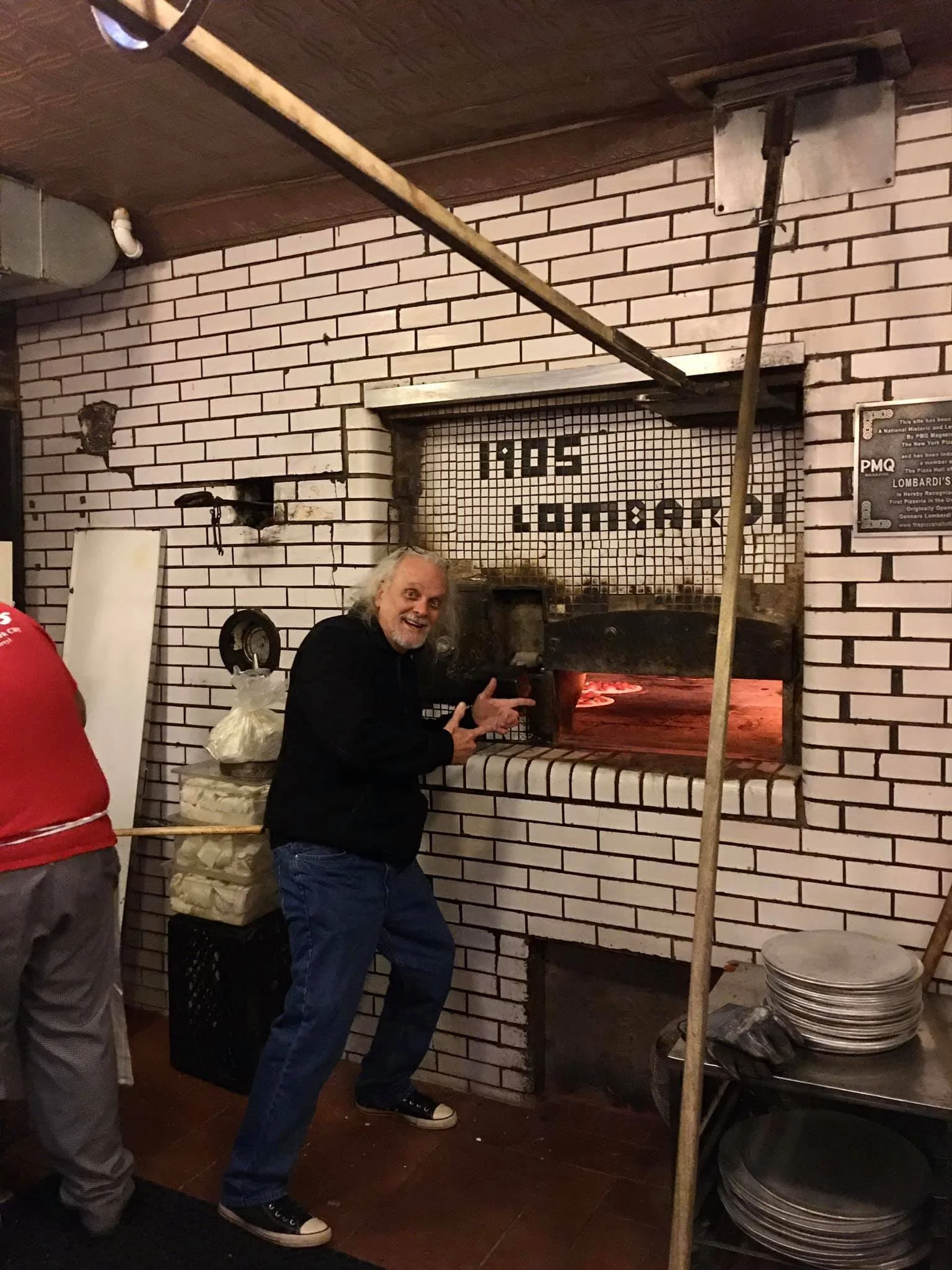
These guys got a kick out of me being so excited and opened up the oven for me and invited me to step into the kitchen with them and have a look! One of them even took my picture!
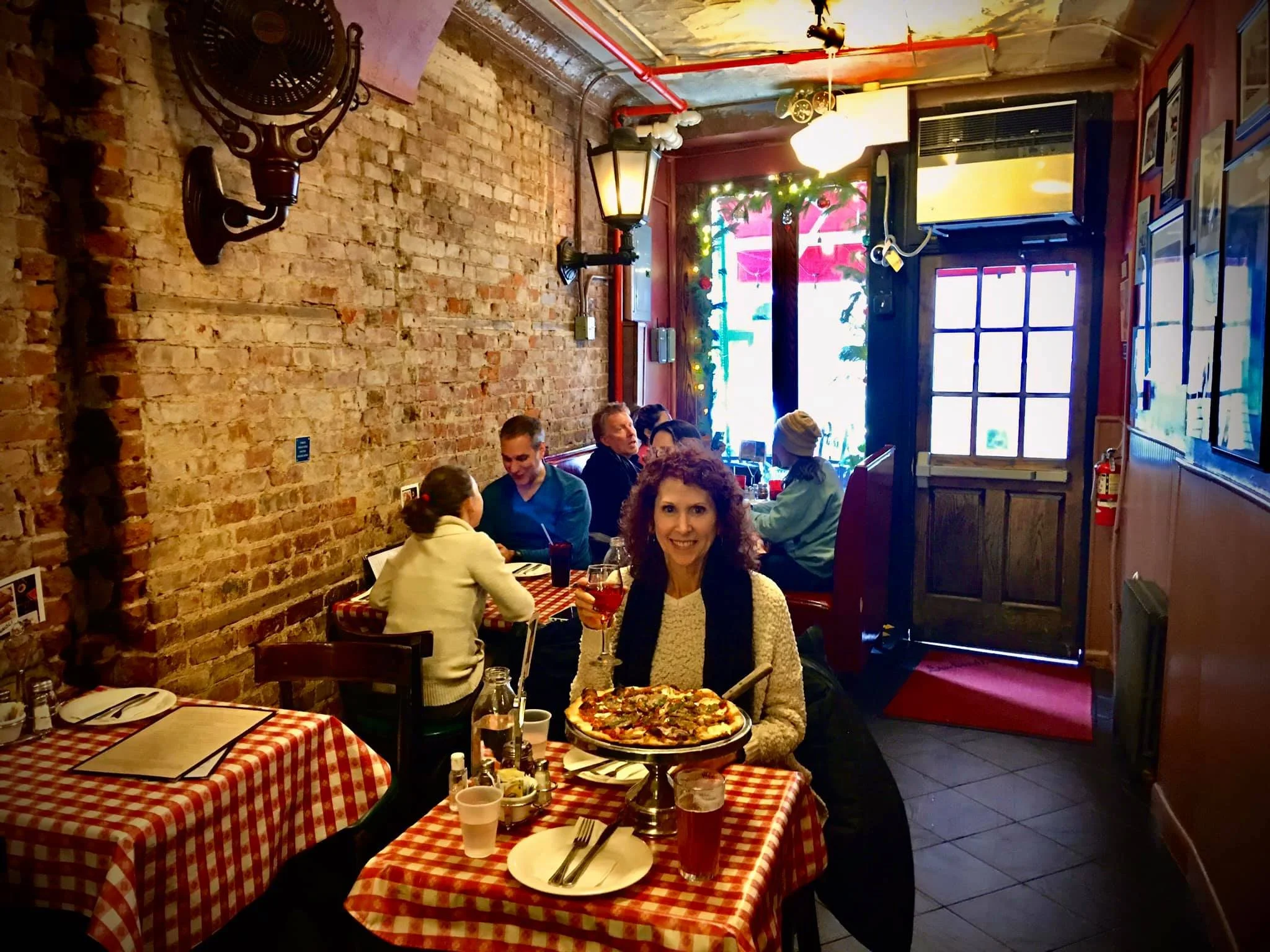
They walked us through a meandering system of hallways and rooms until they seated us at our romantic table!

Susan’s first bite into her very FIRST cannoli....and...
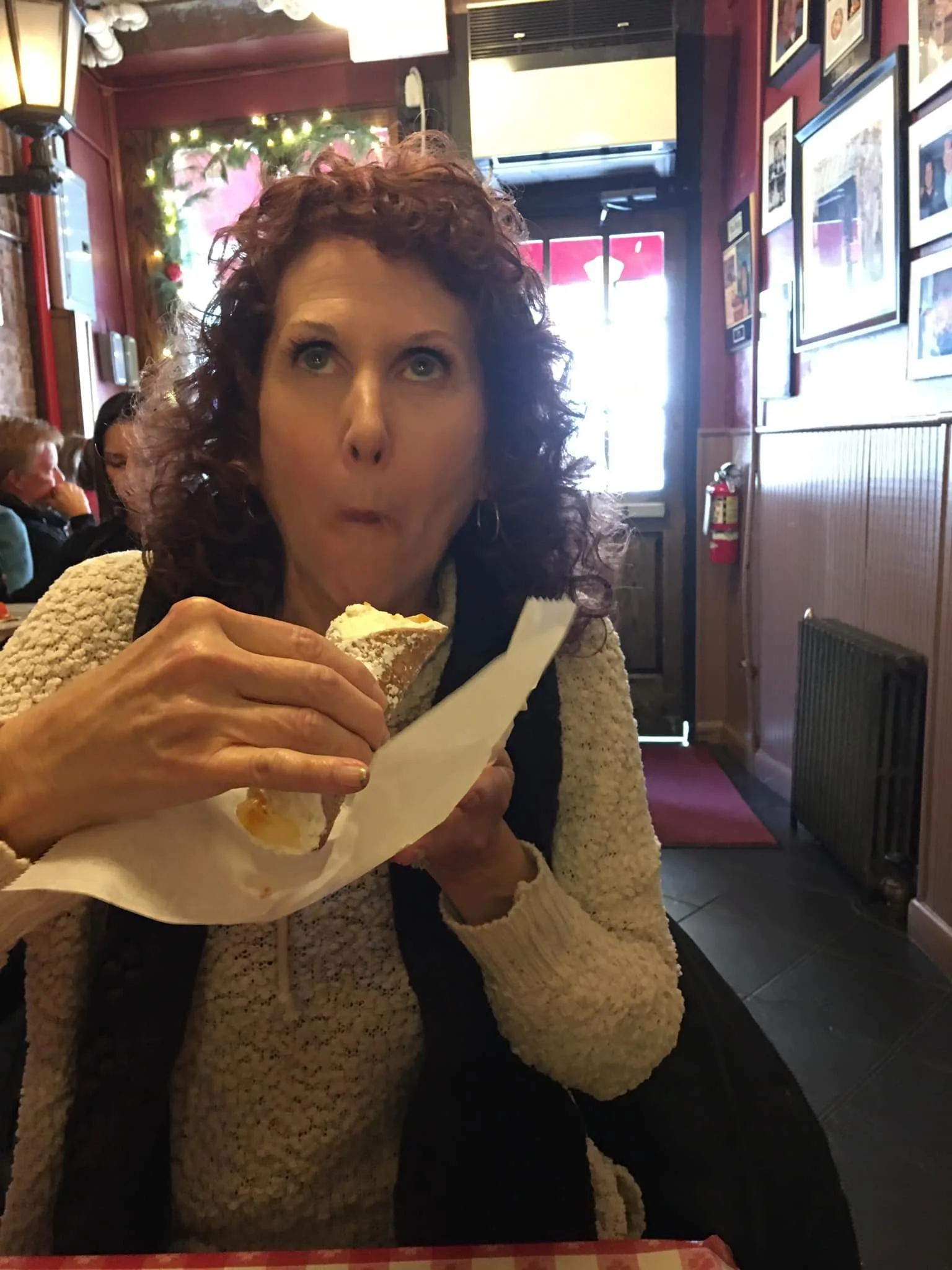
And…
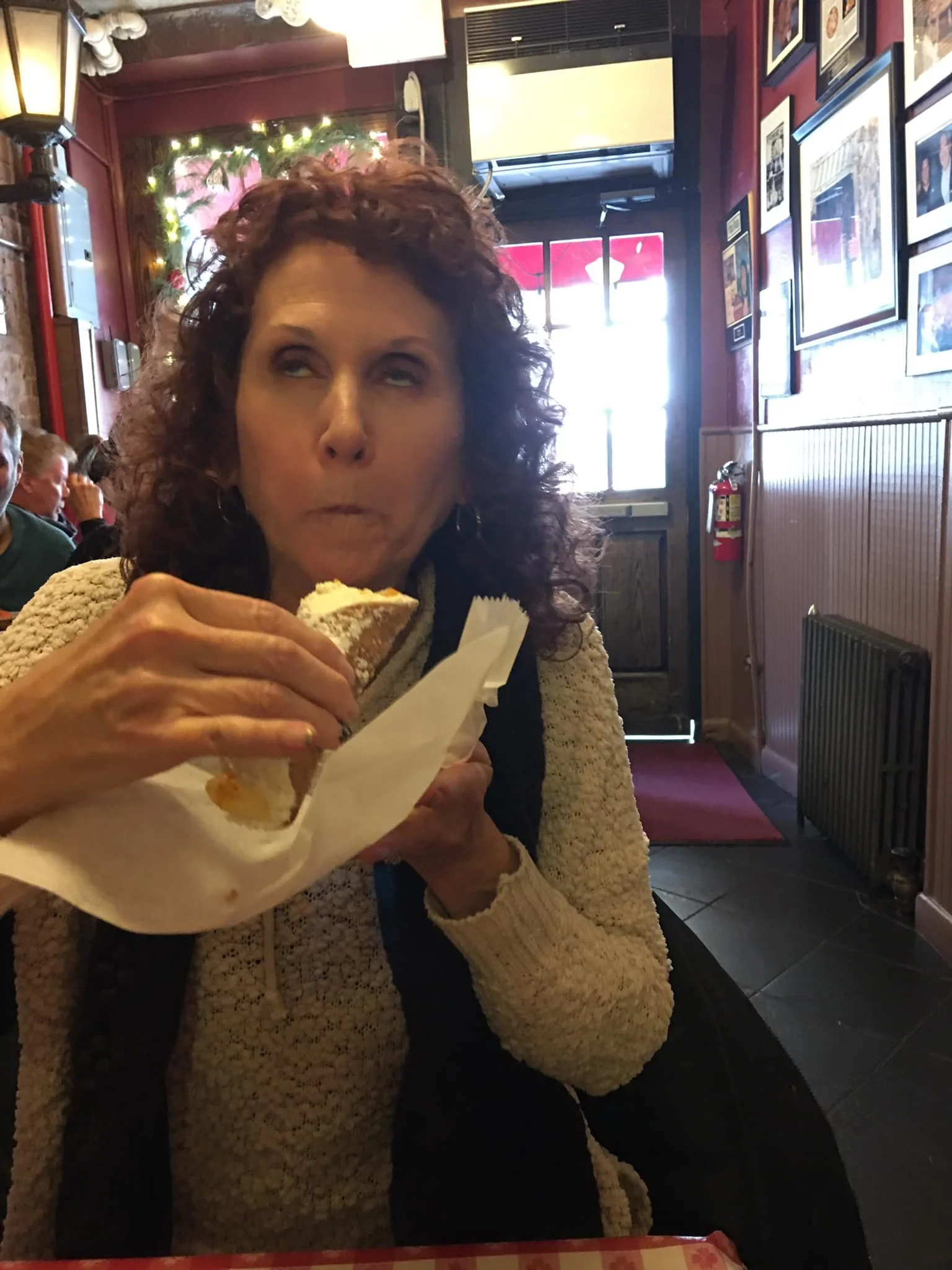
Ahhhhhh….
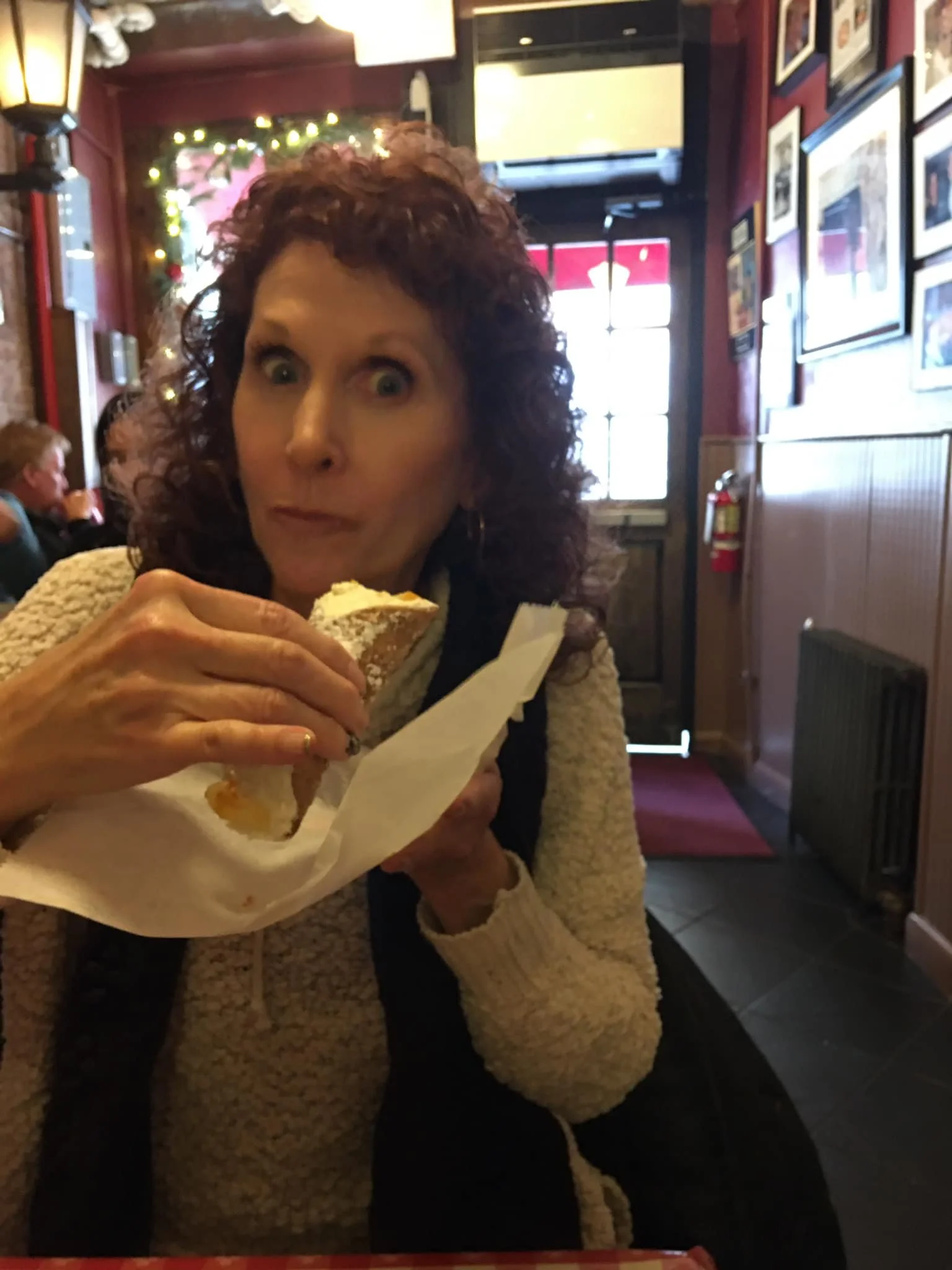
That was GOOD!
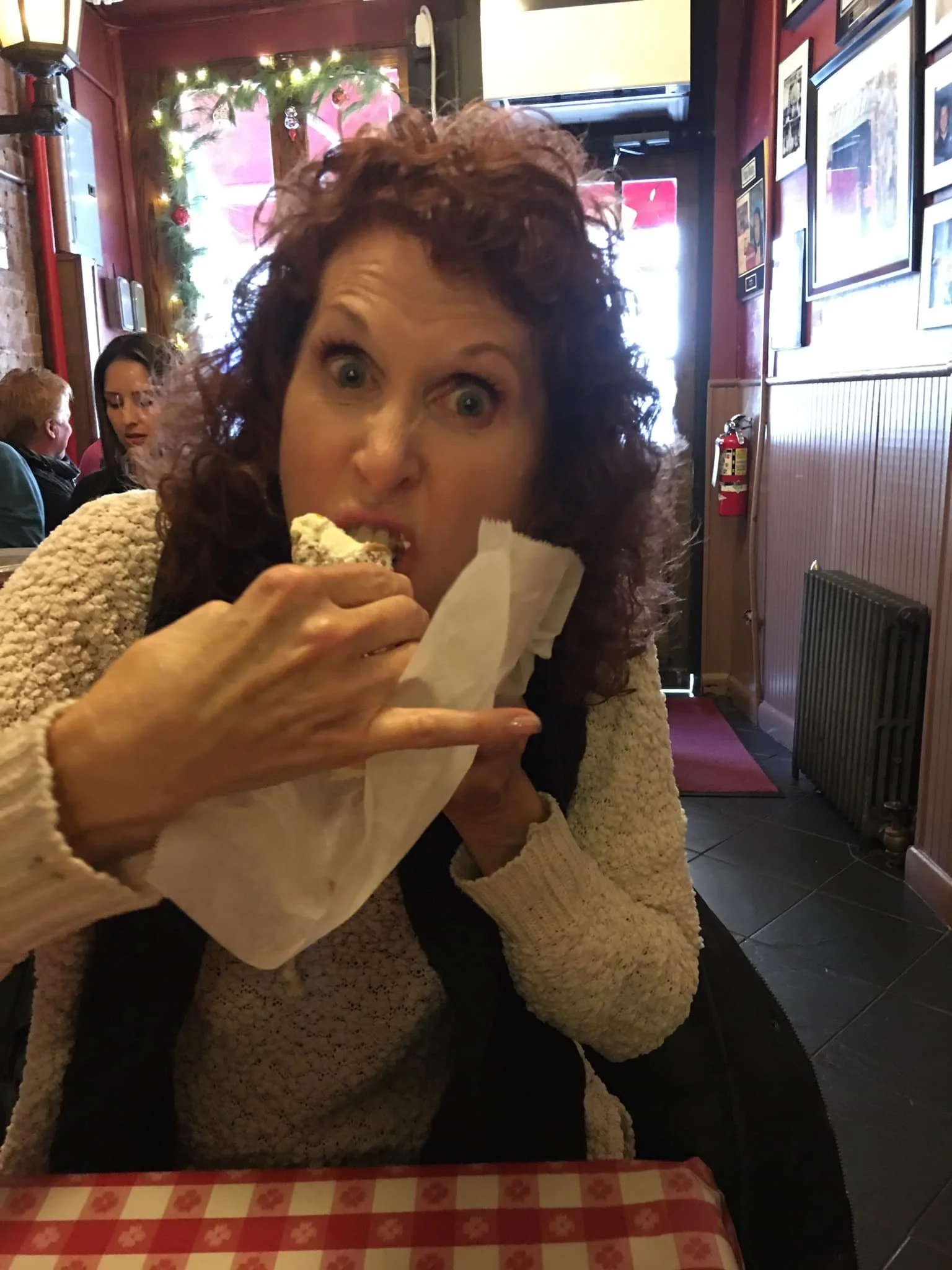
REALLY good!!
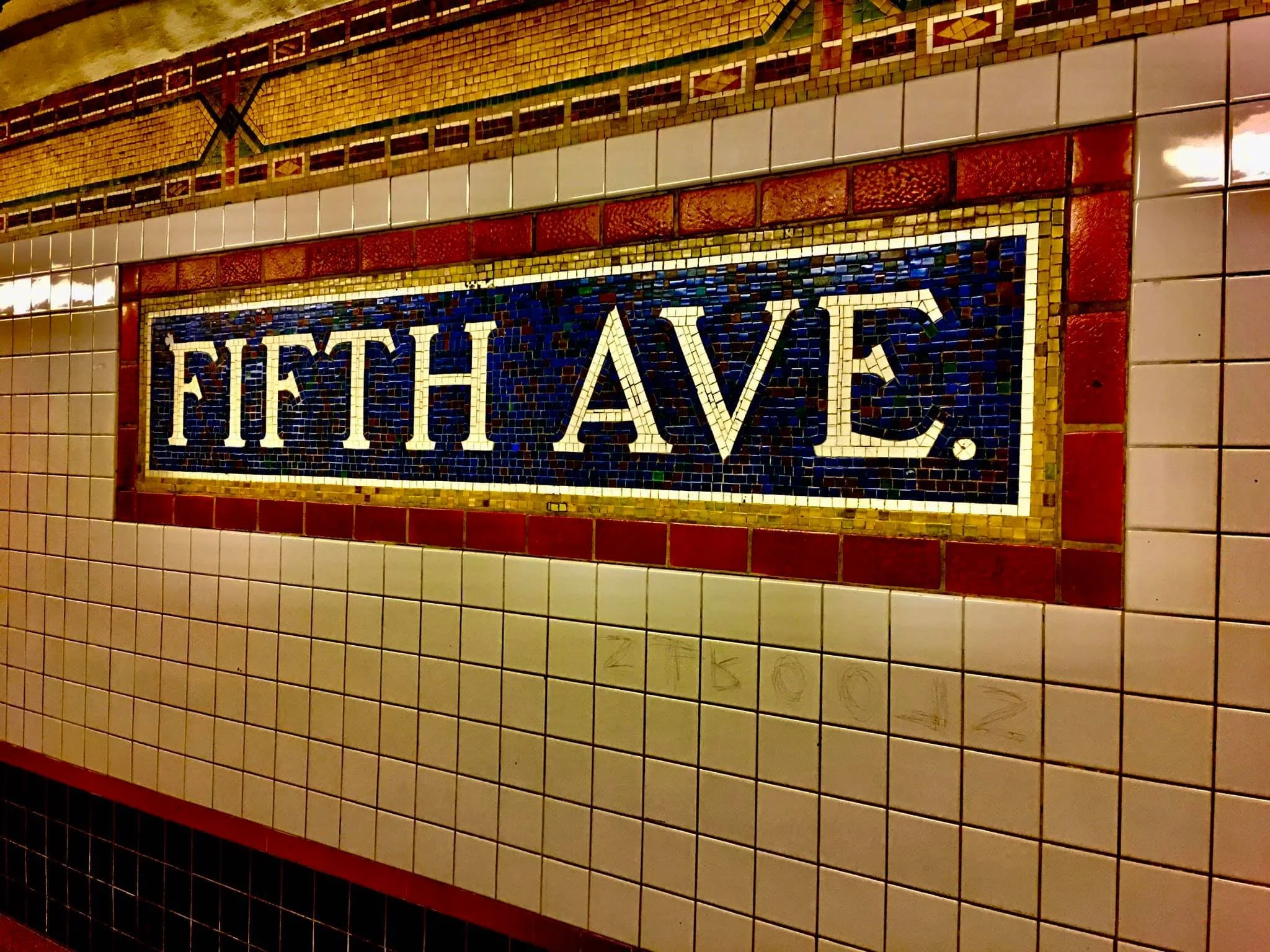
Fifth Avenue is a major thoroughfare through Manhattan and the traditional route for many parades. The section in Midtown Manhattan at the southeastern corner of Central Park is one of the most expensive shopping streets in the world. But there are also other highlights along this famous avenue. Come explore some of them with us.

Battling the snow on Fifth Avenue 1892

Fifth Avenue Public Transportation 1900

Fifth Avenue and 42nd Street, 1905
After the mid 1800s, the area became an upscale residential area, replacing the cattle farm that occupied the land. The Vanderbilts erected 3 mansions there, which prompted many business owners to move Uptown along with them. With the volume of traffic, 5th Avenue needed to be widened and several structures trimmed back, including the Waldorf Astoria Hotel and St. Patrick’s Cathedral.

Vanderbilt Mansion and The Plaza Hotel, 1910
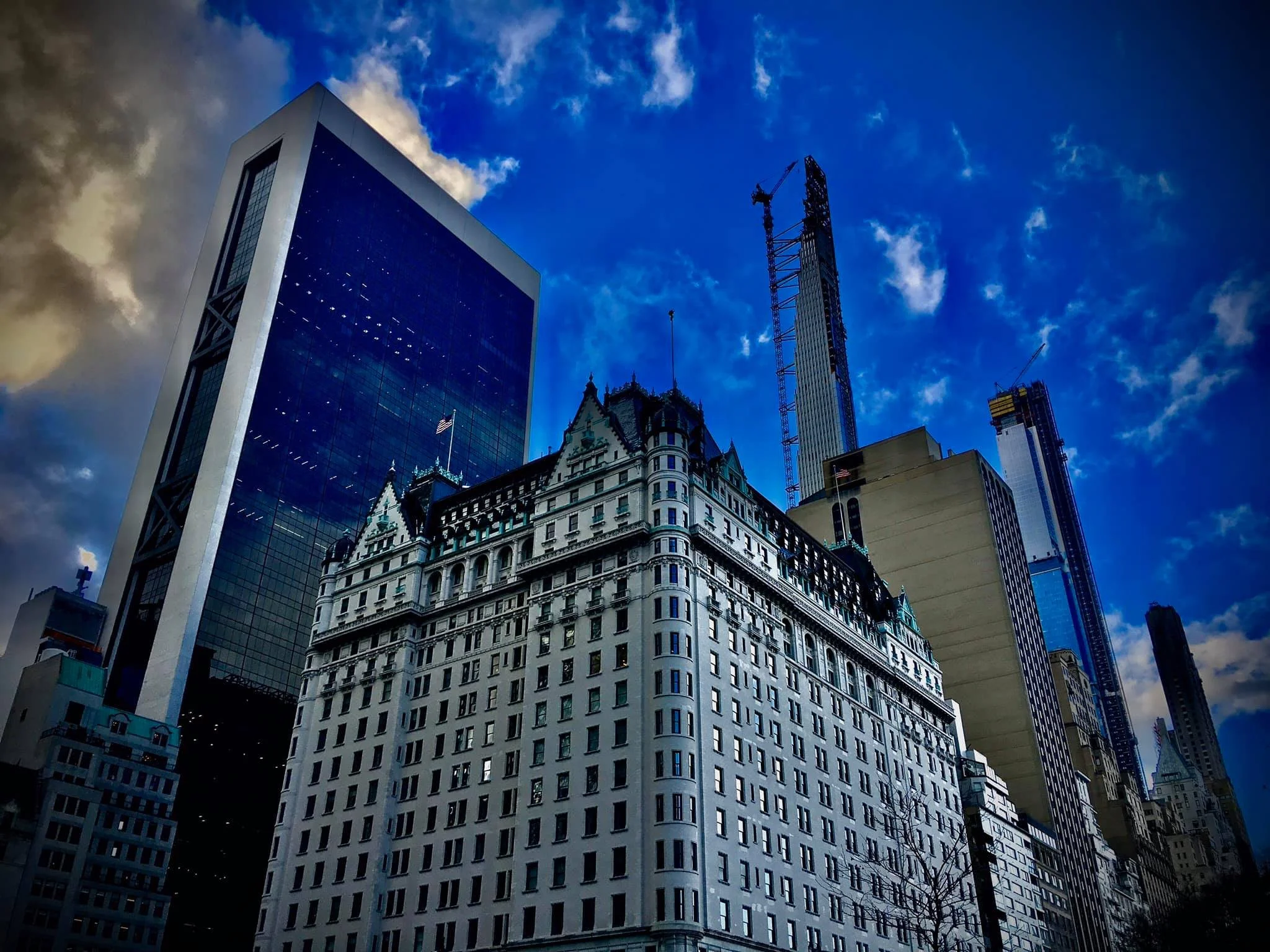
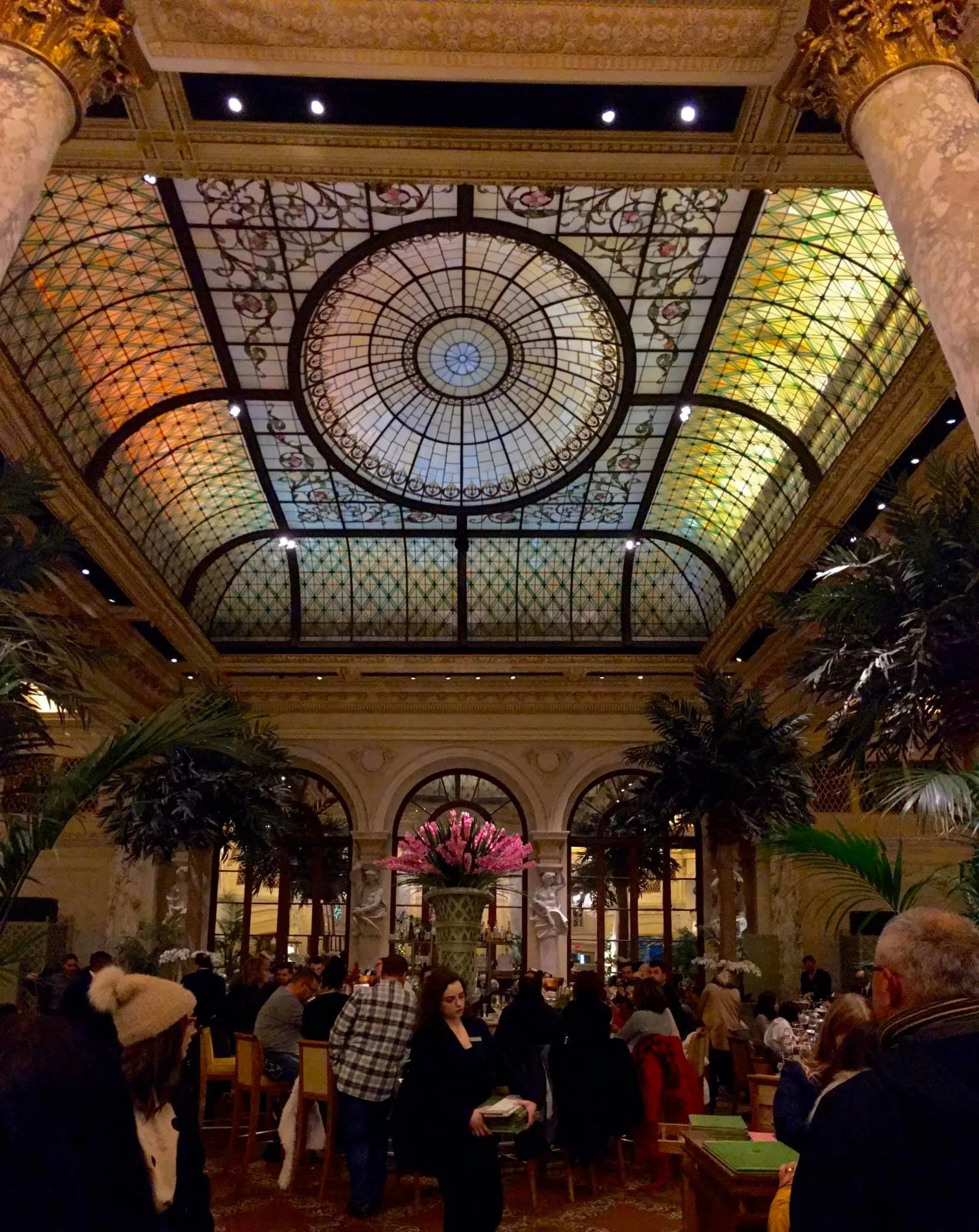
Since 1907, the Plaza Hotel has been New York City’s magnet for numerous famous and wealthy, appearing in many books and movies. The Plaza sits on the southeast corner of Central Park. WHAT A VIEW!!! Not that we got to enjoy it. You can pay $30,000 a night there. But I can imagine....WHAT A VIEW!!!!
St. Patrick’s Cathedral
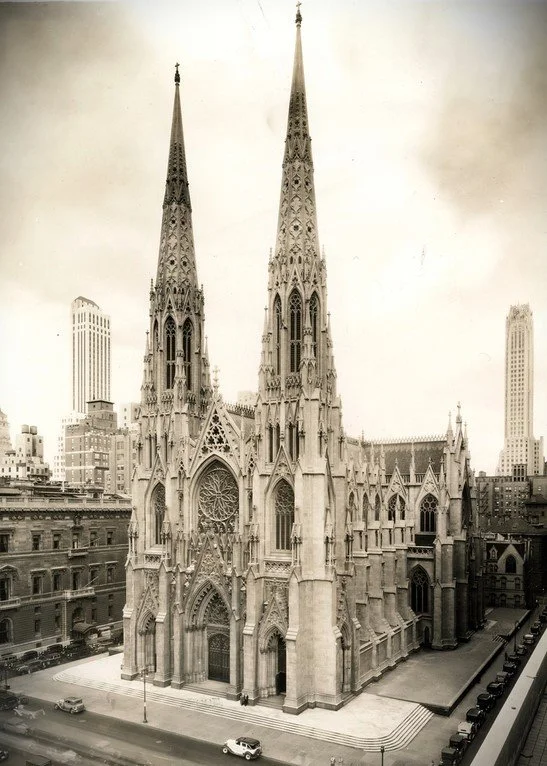
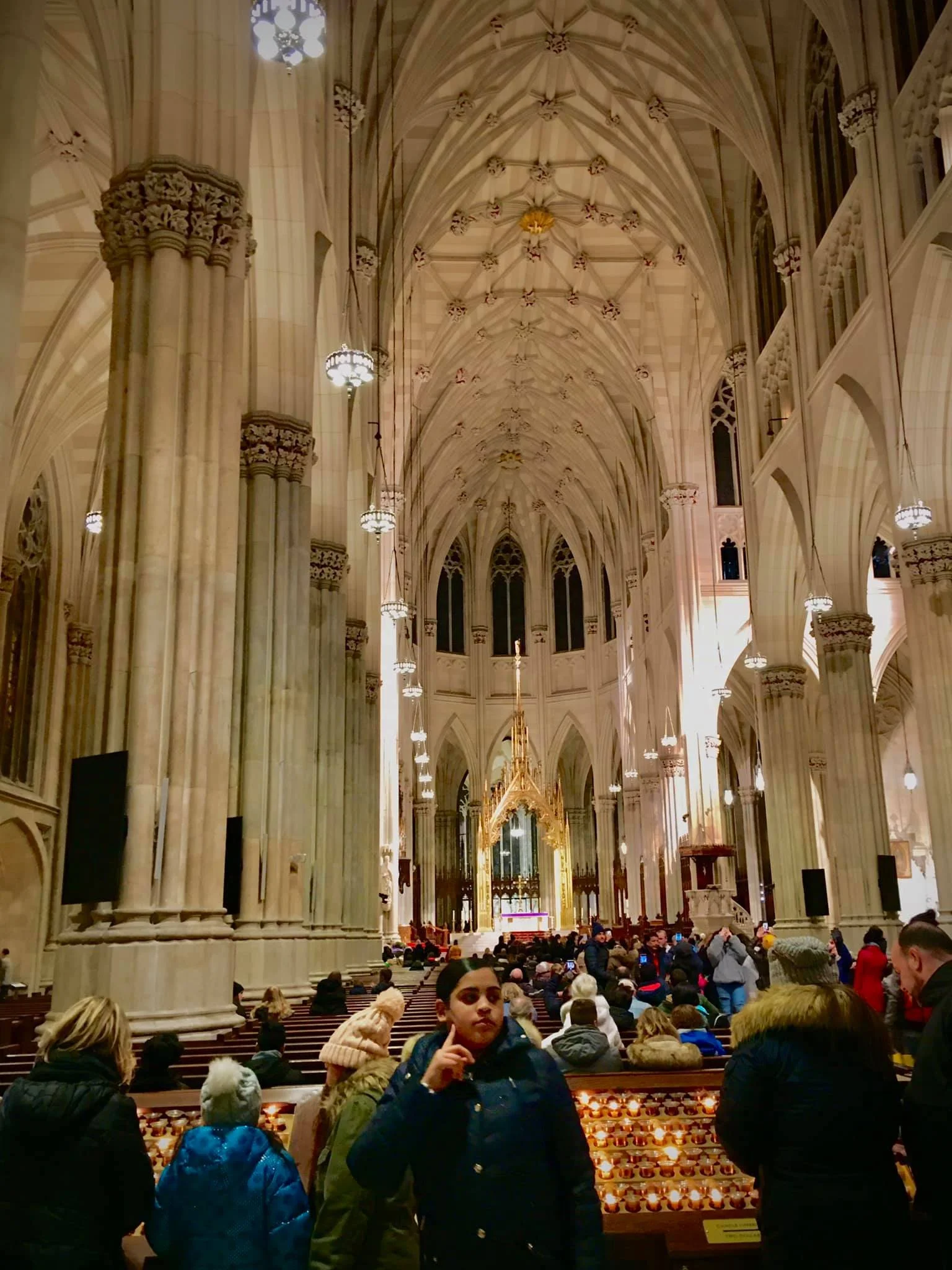
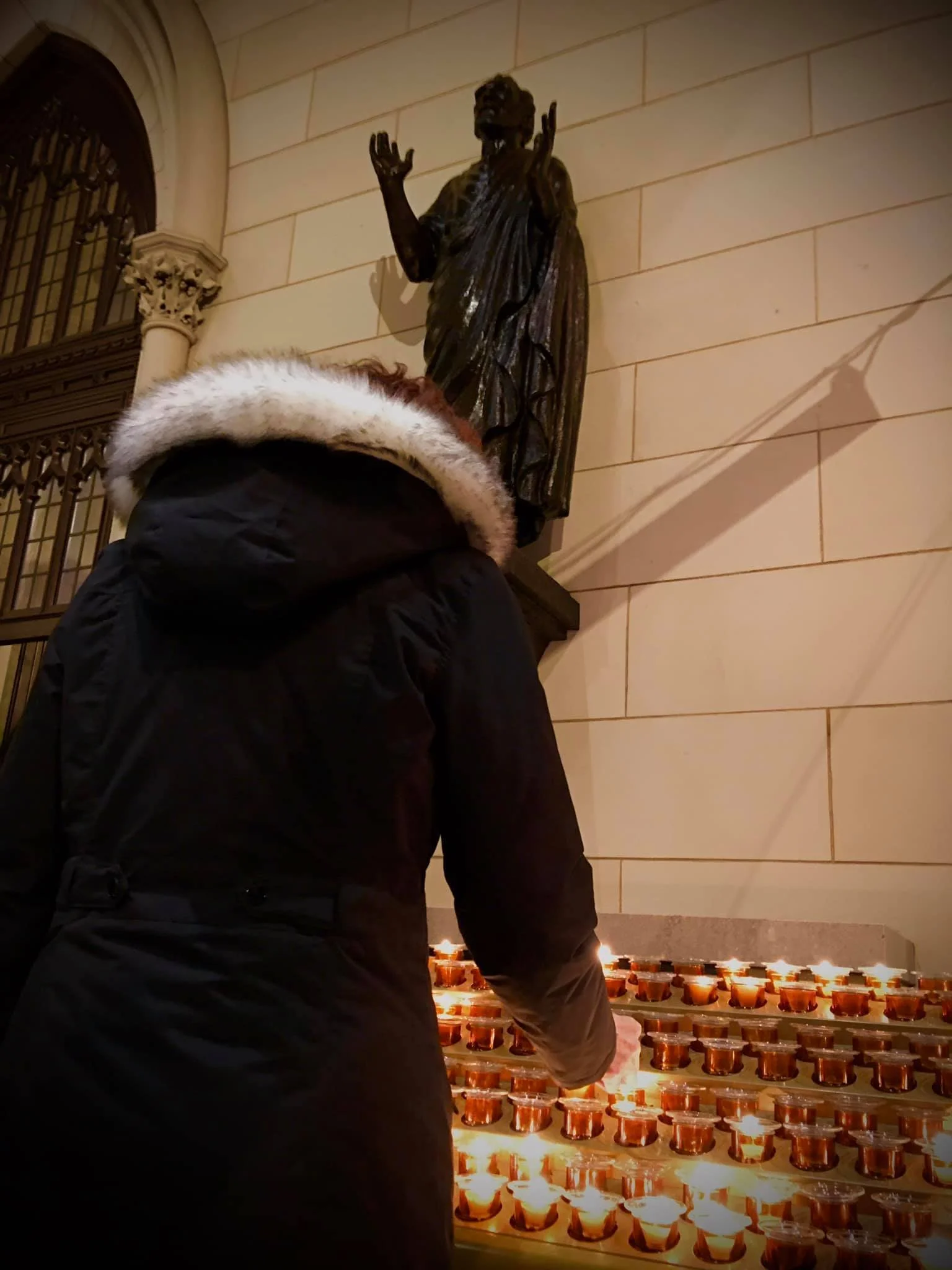
St. Patrick’s is the largest Gothic Style Cathedral in the United States, taking up a whole city block on 5th Avenue. It sits on land initially purchased by Father Anthony Kohlmann in March 1810. The Jesuit community built a college on the site but it closed in 1814. Construction started in 1958 and took 20 years to complete. It was built to accommodate the growth of the Archdiocese of New York and to replace St. Patrick's Old Cathedral. Like the Basilica we already visited, this church also has a crypt. Here, it is under the high altar holding the bodies of Catholic figures that served the Archdiocese of New York.
New York Public Library
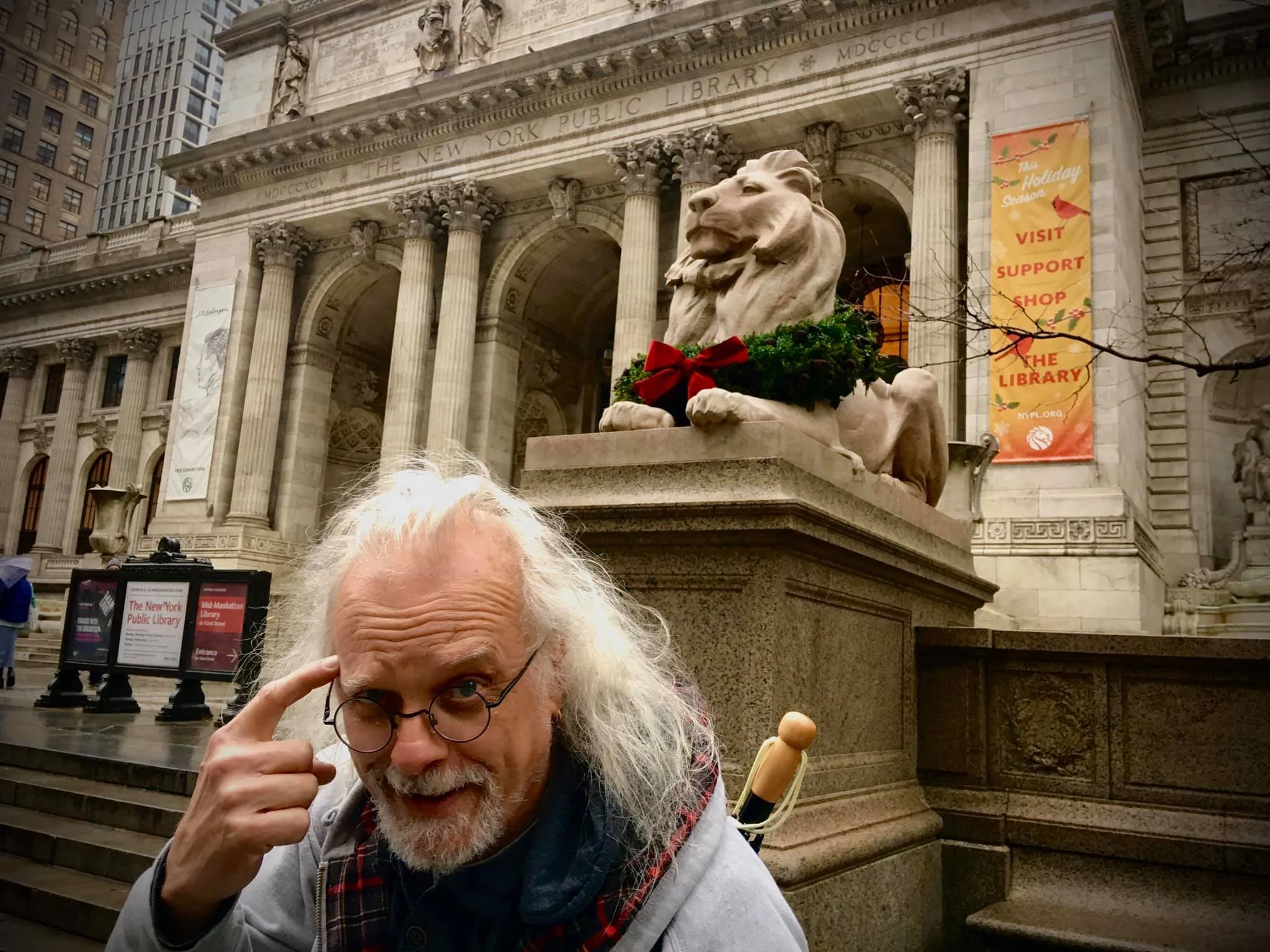
It all goes to the brain! Guarding the entrance to the main branch of New York City Library are two lions—“Patience” and “Fortitude”. A museum in and of itself, inside this library you’ll find the Gutenberg Bible, lock of hair from Henry Wadsworth Longfellow, books, etc. It was built in 1911 on the site of an old reservoir, and before that, it was a graveyard to thousands of poverty stricken New Yorkers. Bryant Park and it’s ice rink are directly behind.
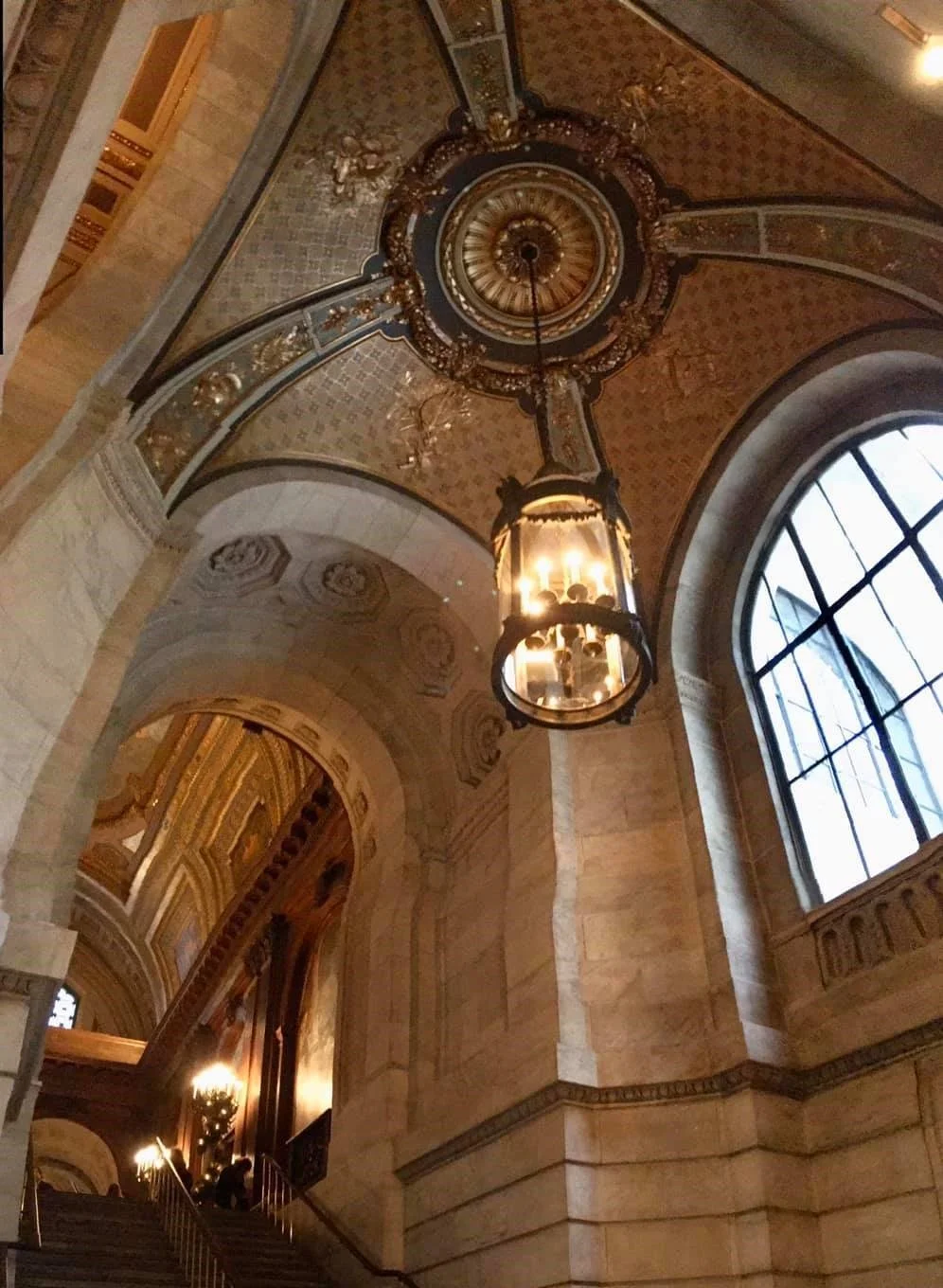
The Library Building is constructed of Marble that came from the Dorset Marble Quarry in Vermont, which we visited. Remember, the quarry was closed and is now a popular swimming hole? At any rate, I can’t imagine building a structure like this today.
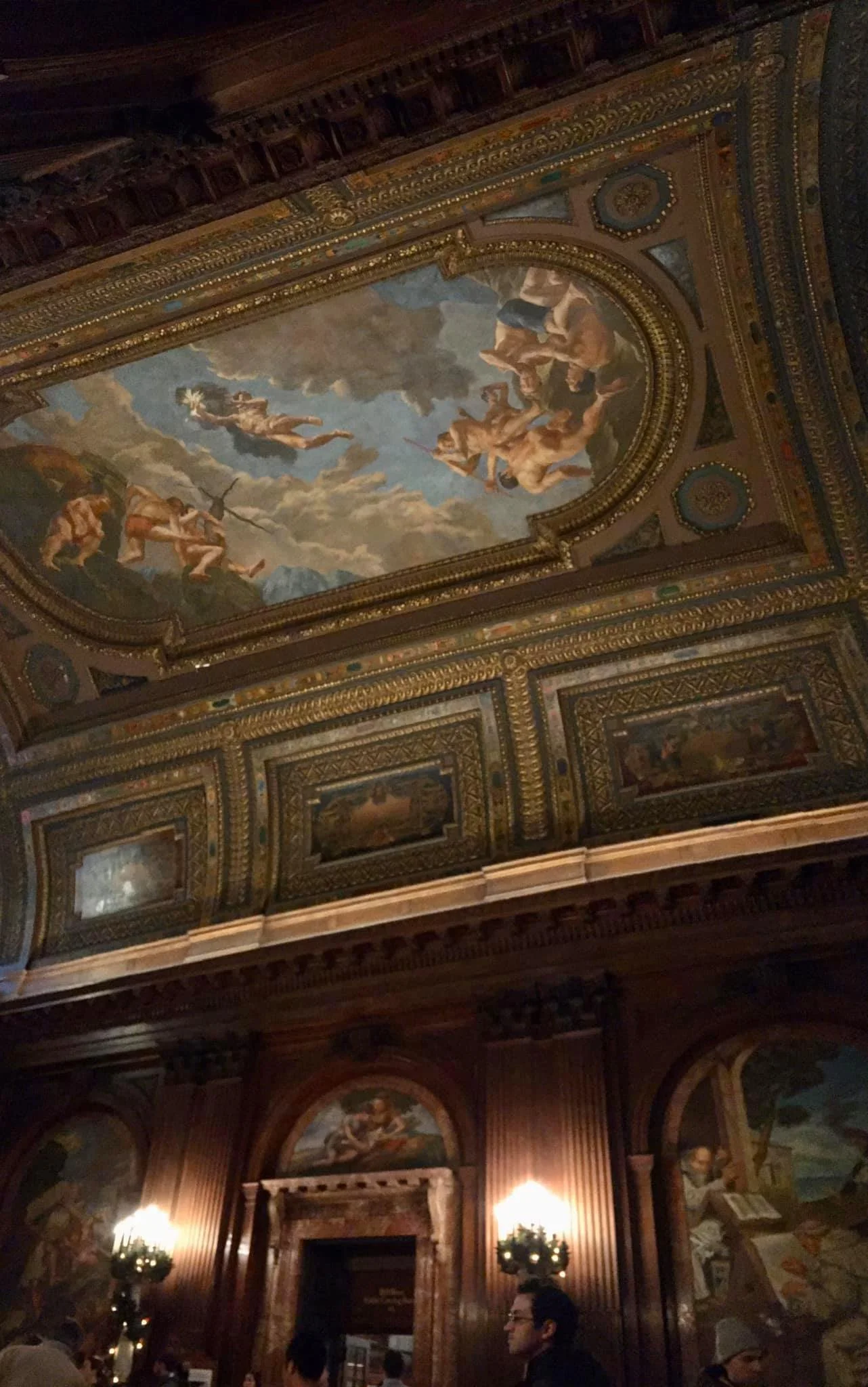
One of the many beautiful murals at the NYC Library
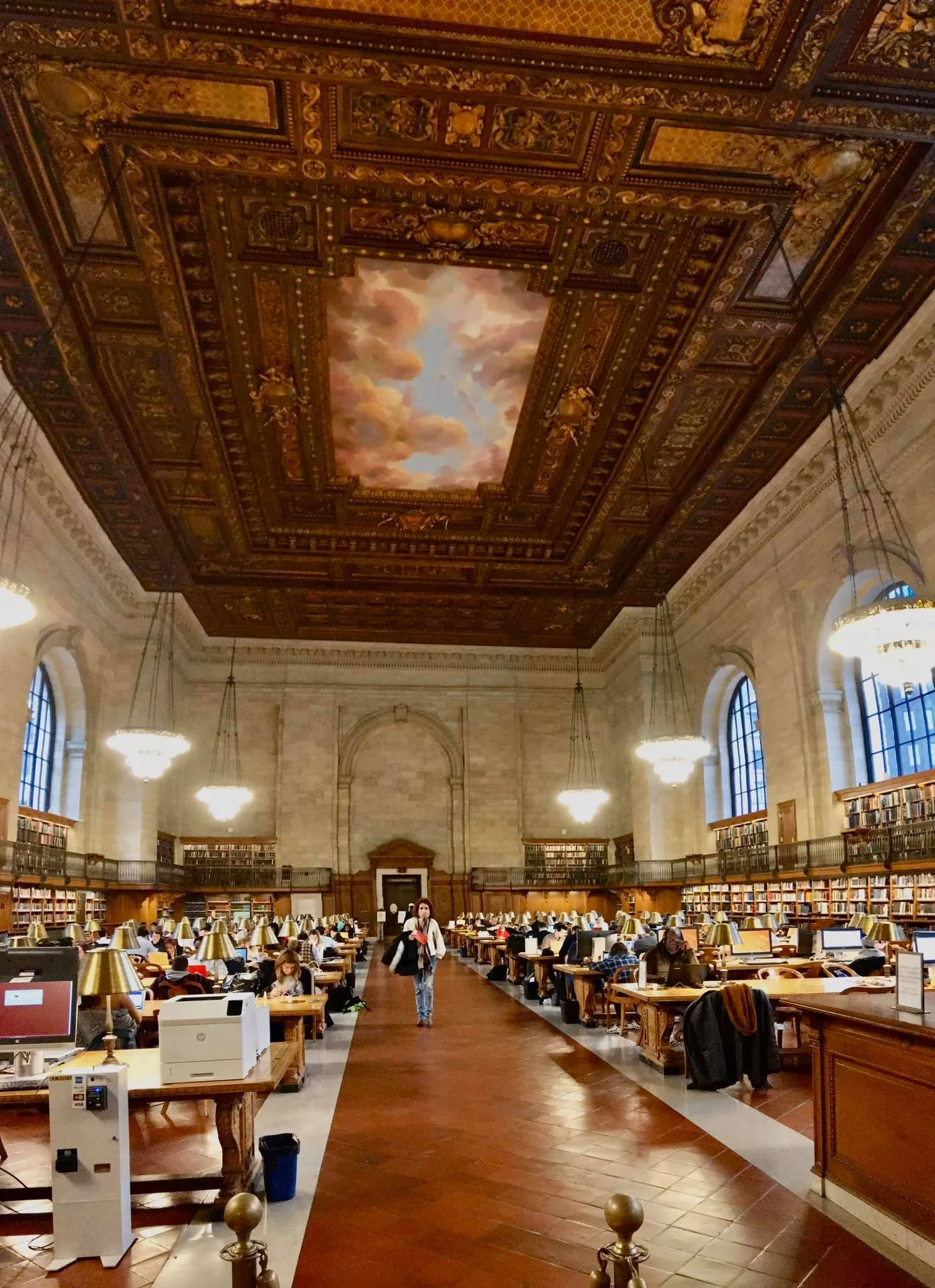
Reading room at the library. Really. A reading room.
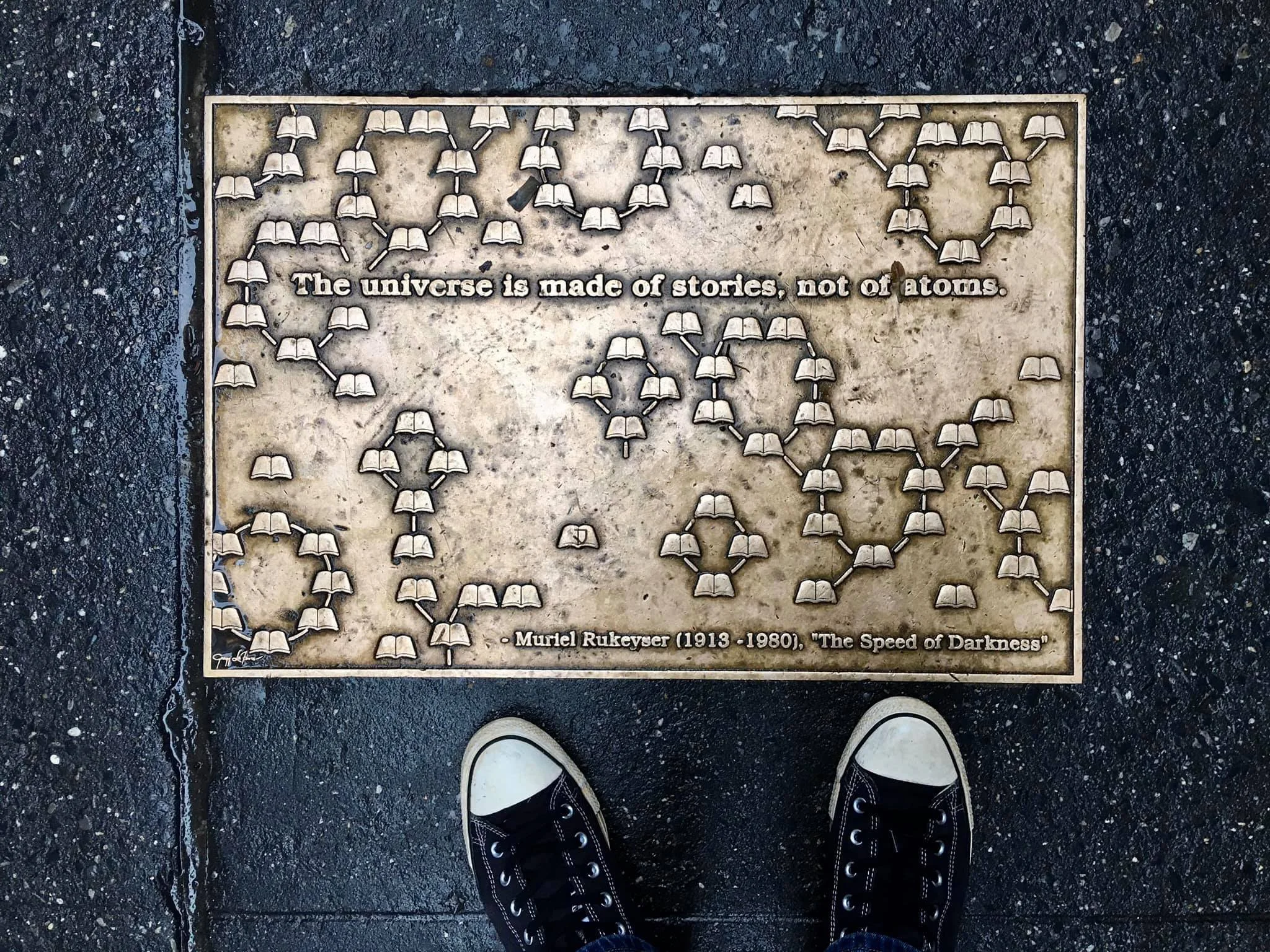
The sidewalk leading to the very front of the library, on the block of 41st Street between 5th Avenue and Park Avenue, is called “Library Way”.
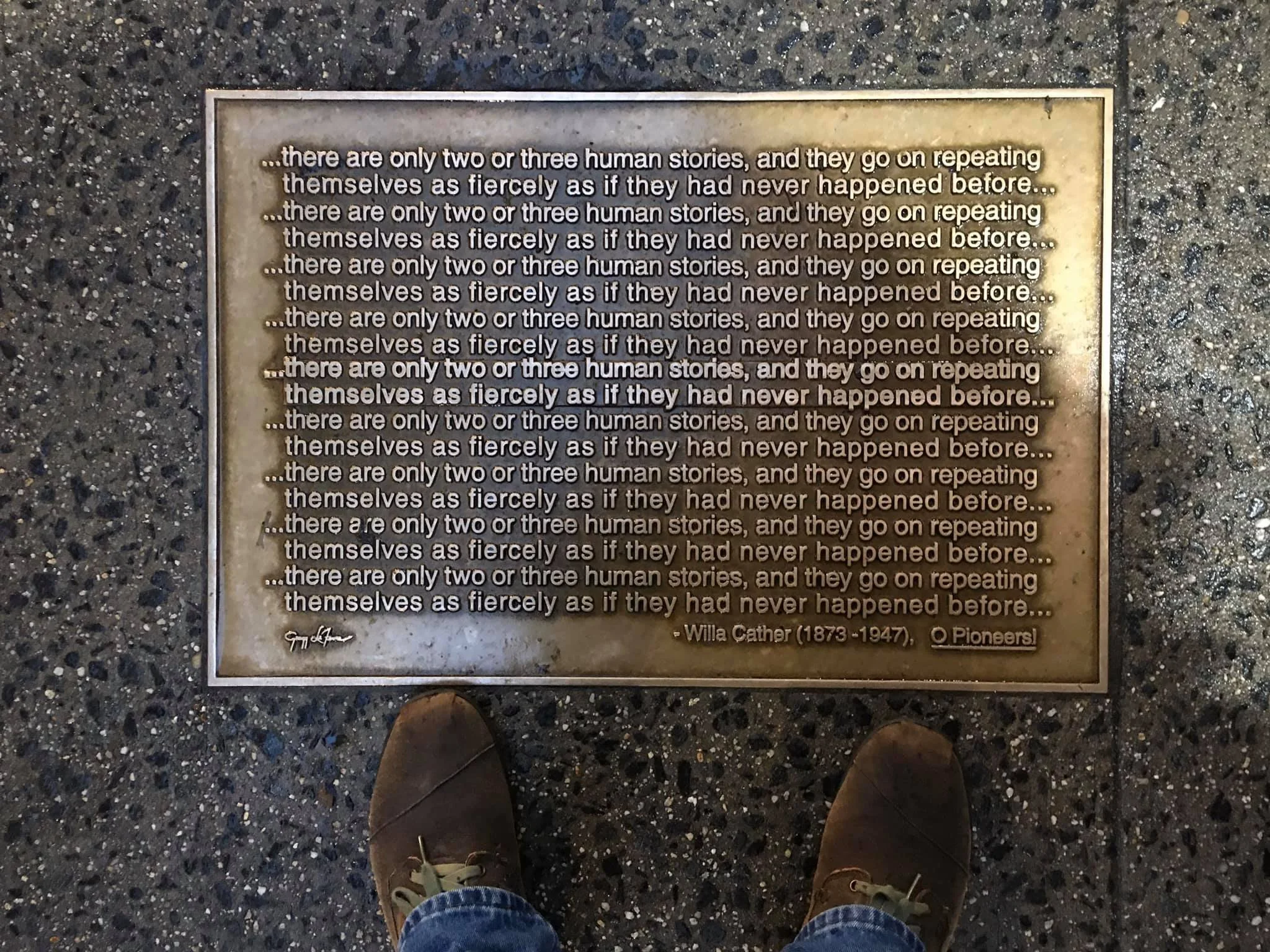
Every 10 feet is a bronze plaque with a quote about books and their importanceStretching for two blocks, from Fifth Avenue to Park Avenue, along East 41st Street a unique tribute to the glories of reading books can be found.
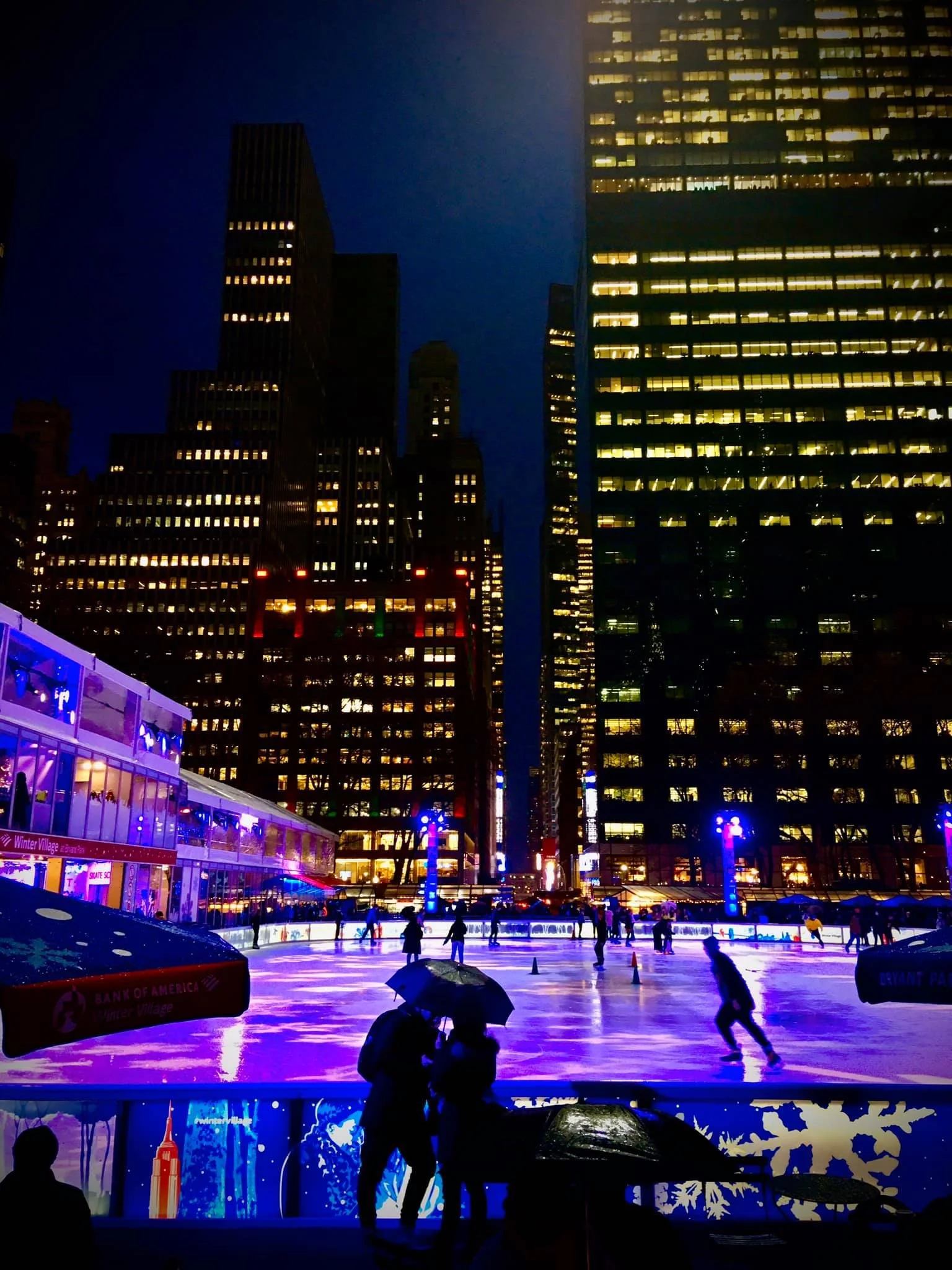
I call this picture “Lovers under the Umbrella”. It’s Bryant Park ice skating rink, behind the main NYC Library. Bryant Park was named after William Cullen Bryant. The land was acquired by the city in 1822 and designated a graveyard for the poor. In 1840, thousands of bodies were moved from this graveyard to Ward Island and they built a reservoir on the east end of the park. But when the NYC Public Library was founded in 1895, the rich founders demolished the reservoir and built the present imposing structure, completed in 1911. The park behind it fell into sadness in the 1960’s and 70’s with drug needles every 3 feet, murder, prostitution, etc. In the 1980’s surrounding businesses worked a deal with the city to manage it and private business has turned it into a beautiful place.
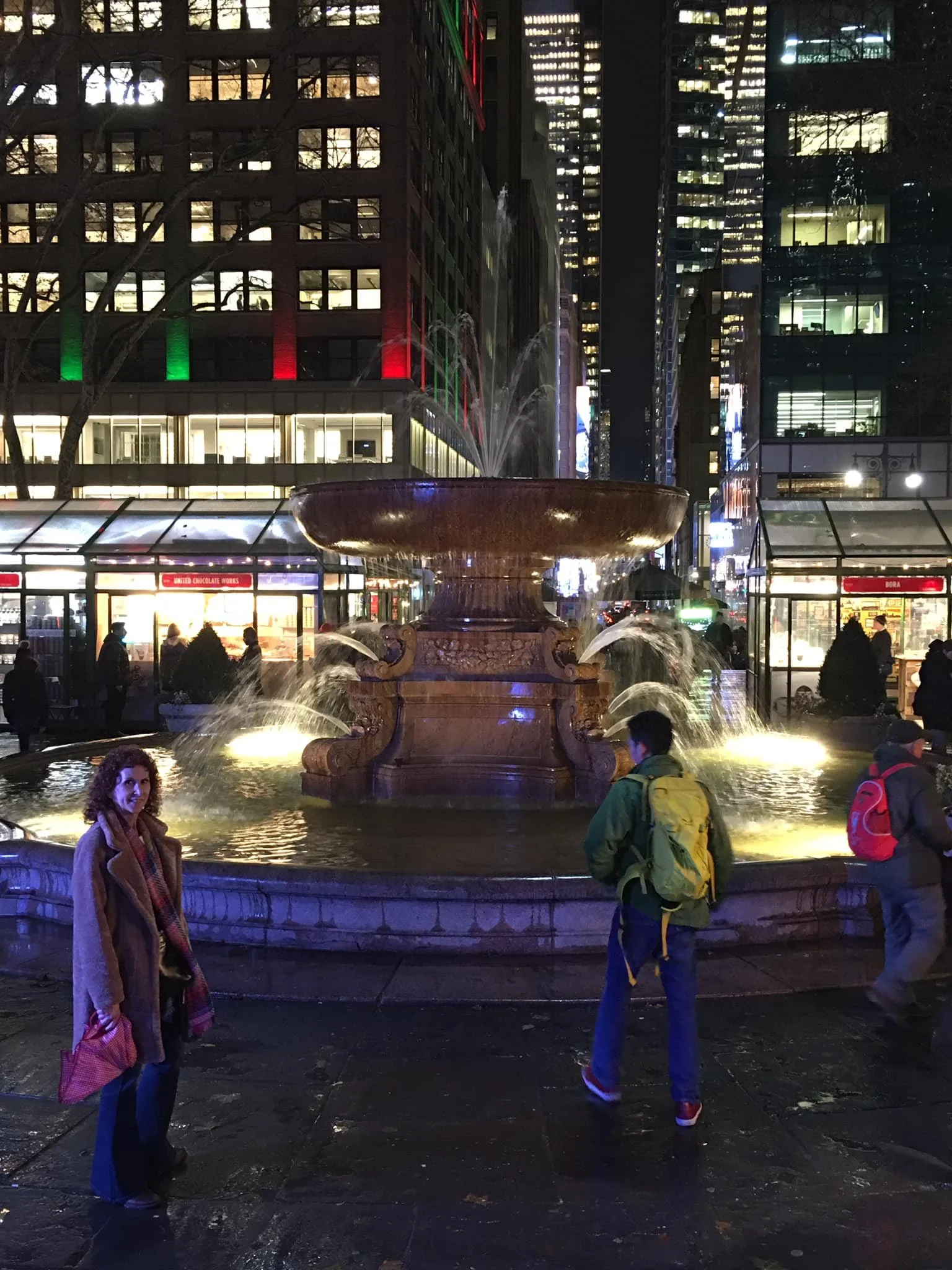
In addition to the ice skating rink, there’s a beautiful fountain honoring Josephine Shaw Lowell (1843–1905), the first woman to be honored by a monument in NYC, and a convenient entrance to the Subway below.
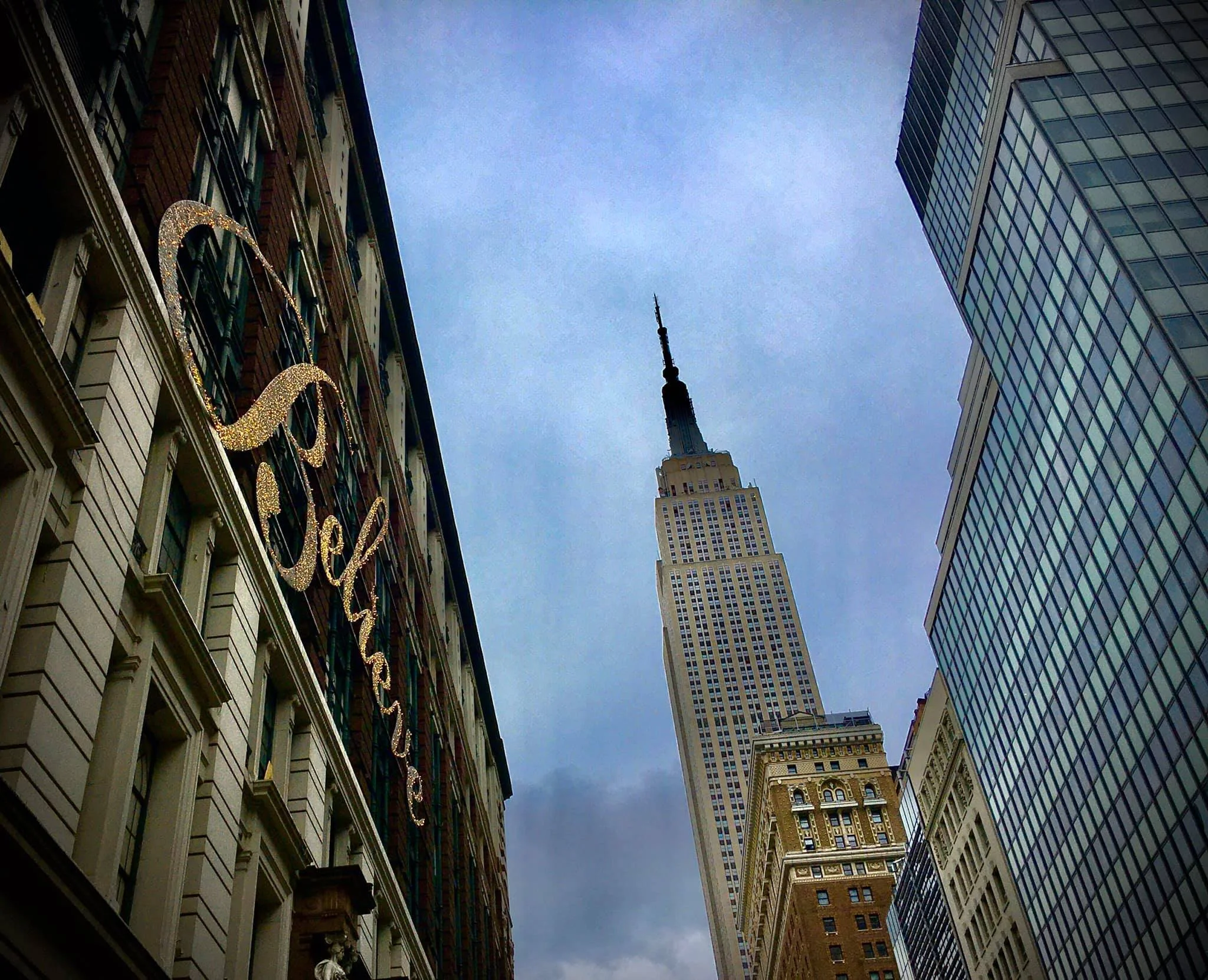
A trip to New York just wouldn’t be complete without a visit to the Empire State Building, right? After all, it’s been named the #1 Attraction in the World by Tripadvisor. It took just over a year to build in 1930 and was the tallest building in the world until 1971.
In 1945, a WWII B-29 Bomber became disoriented in the fog and managed to swerve and miss several skyscrapers but crashed into the 78th and 79th floor of the Empire State Building. The crew obviously was killed, along with 11 people inside the building. Cables were severed on an elevator containing 19 year old Bettty Lou Oliver and the car fell 75 floors, crashing into the basement. Miraculously, Betty survived because a thousand feet of elevator cable that fell cushioned her fall at the bottom. She did suffer a broken neck and back, though.
In 1930, thinking lighter than air dirigibles, like the Goodyear Blimp, would be the future of passenger air travel, the 200 foot tower was designed to dock them. An open air gangplank was designed to disembark their to exit to the streets below. High winds proved that to be impossible.
It is the centerpiece for so many good movies like An Affair to Remember, Sleepless in Seattle, and so many more.
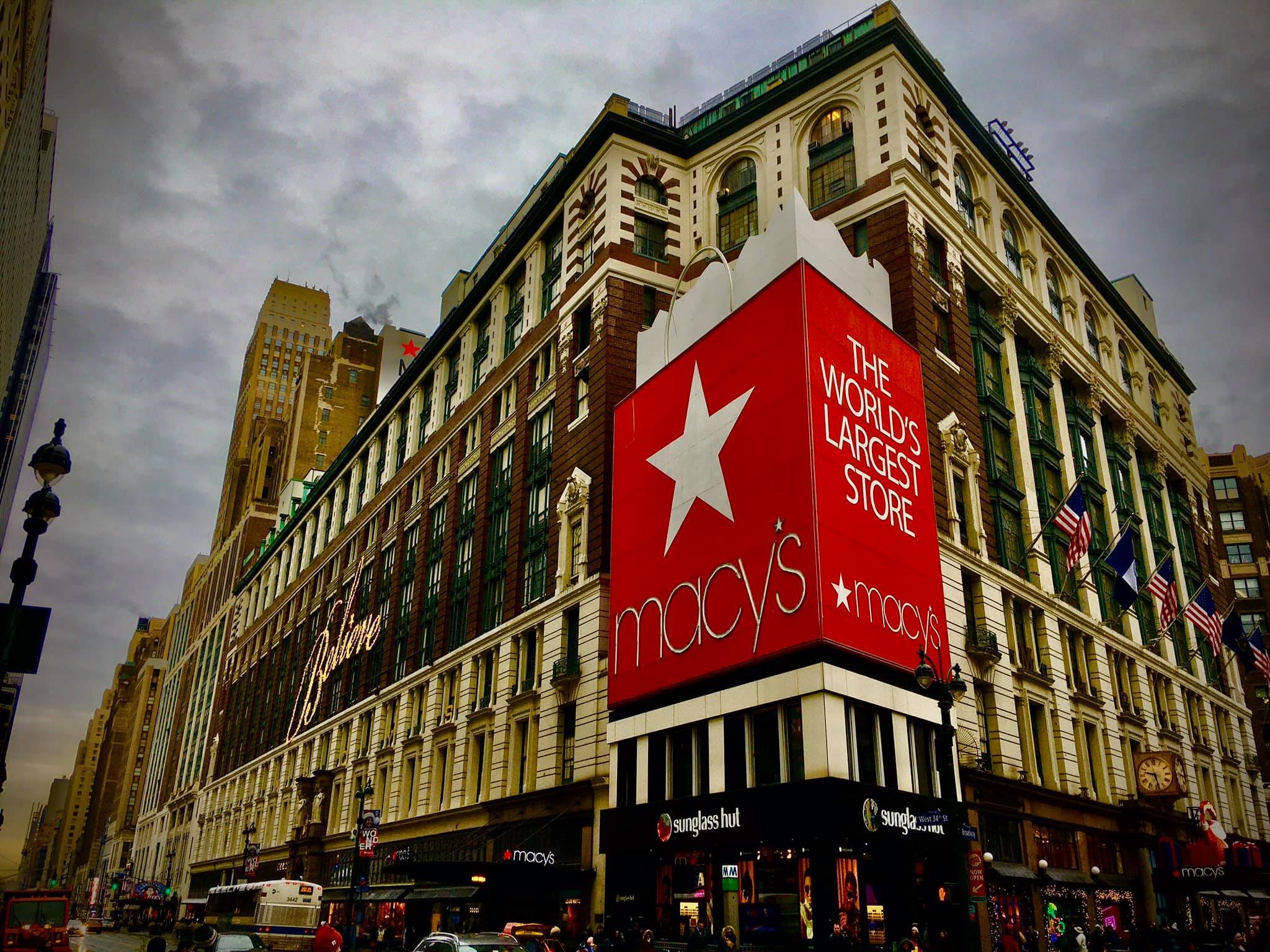
What I didn’t anticipate was that the subway stop for the Empire State Building opens up to 34th Street right in front of the original Macy’s! As soon as Susan saw that, she was off and running for the entrance to Macys! Who cares about the Empire State Building?!
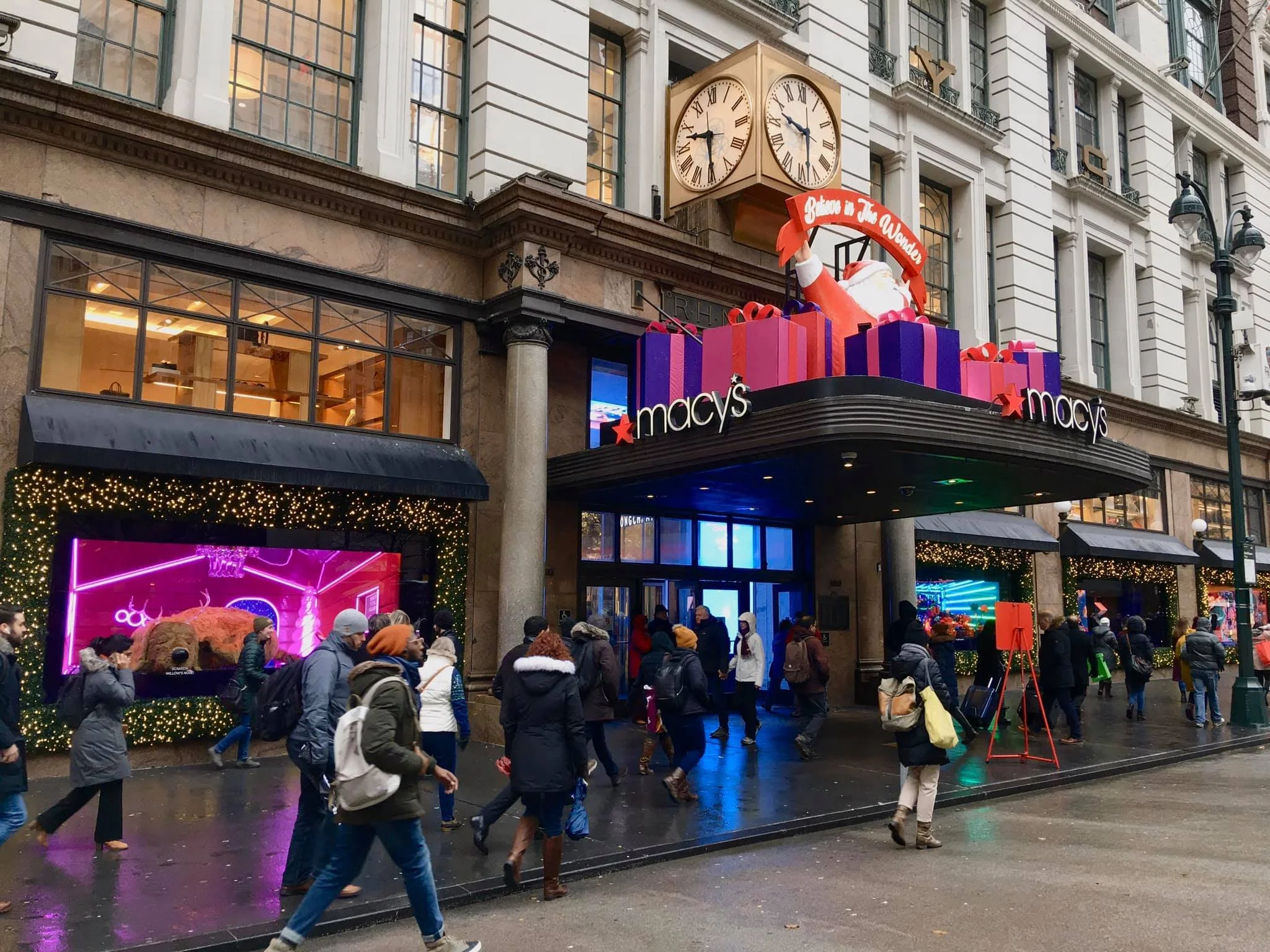
Susan’s mad rush. She’s the one with the white collared parka.
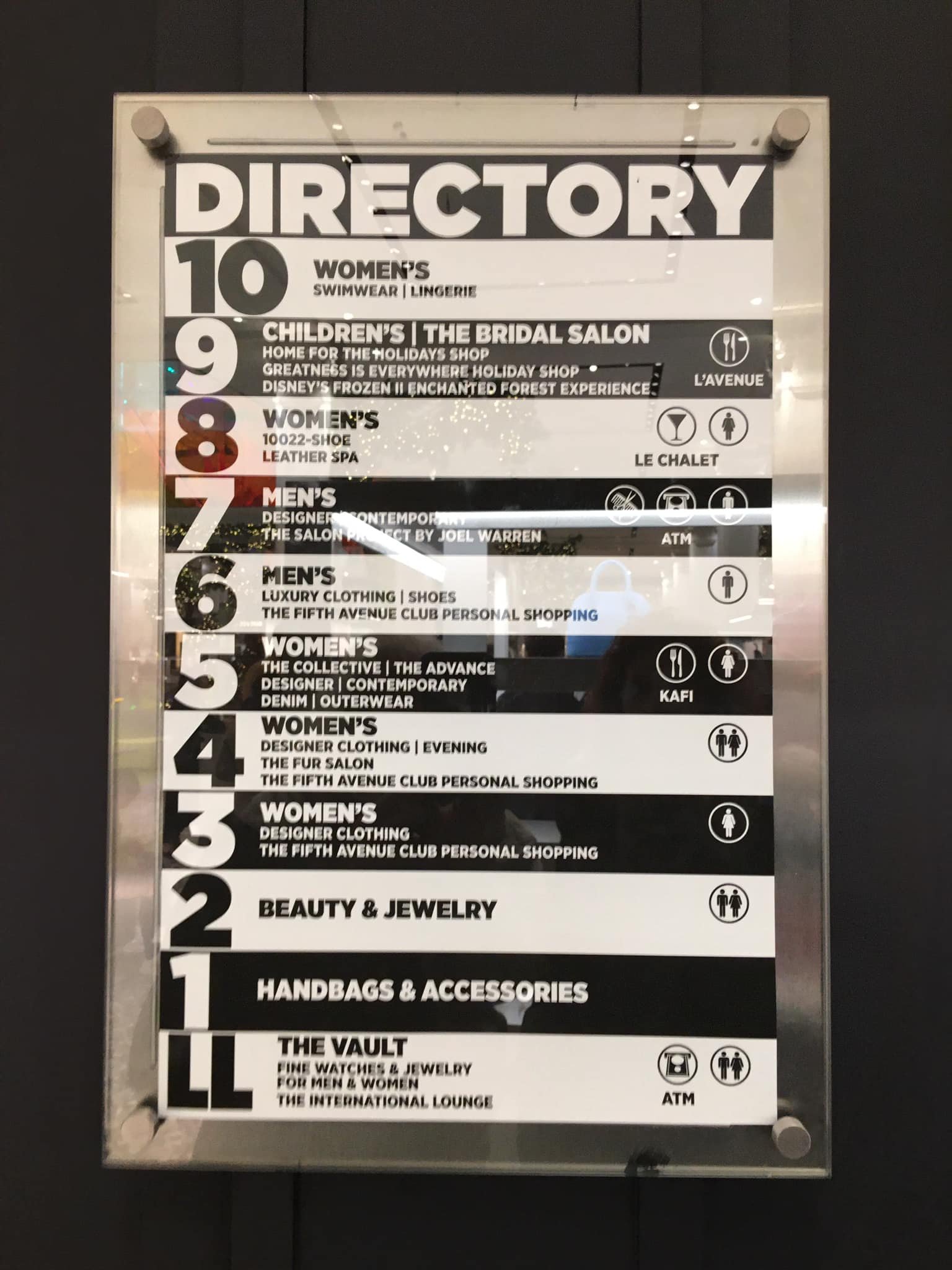
Never mind we have a Macy’s within driving distance of us, and she orders things online, but I have to admit, walking through Macy’s flagship, historic 2.5 million square feet store was an adventure. It was completed in 1902 after occupying several other locations.
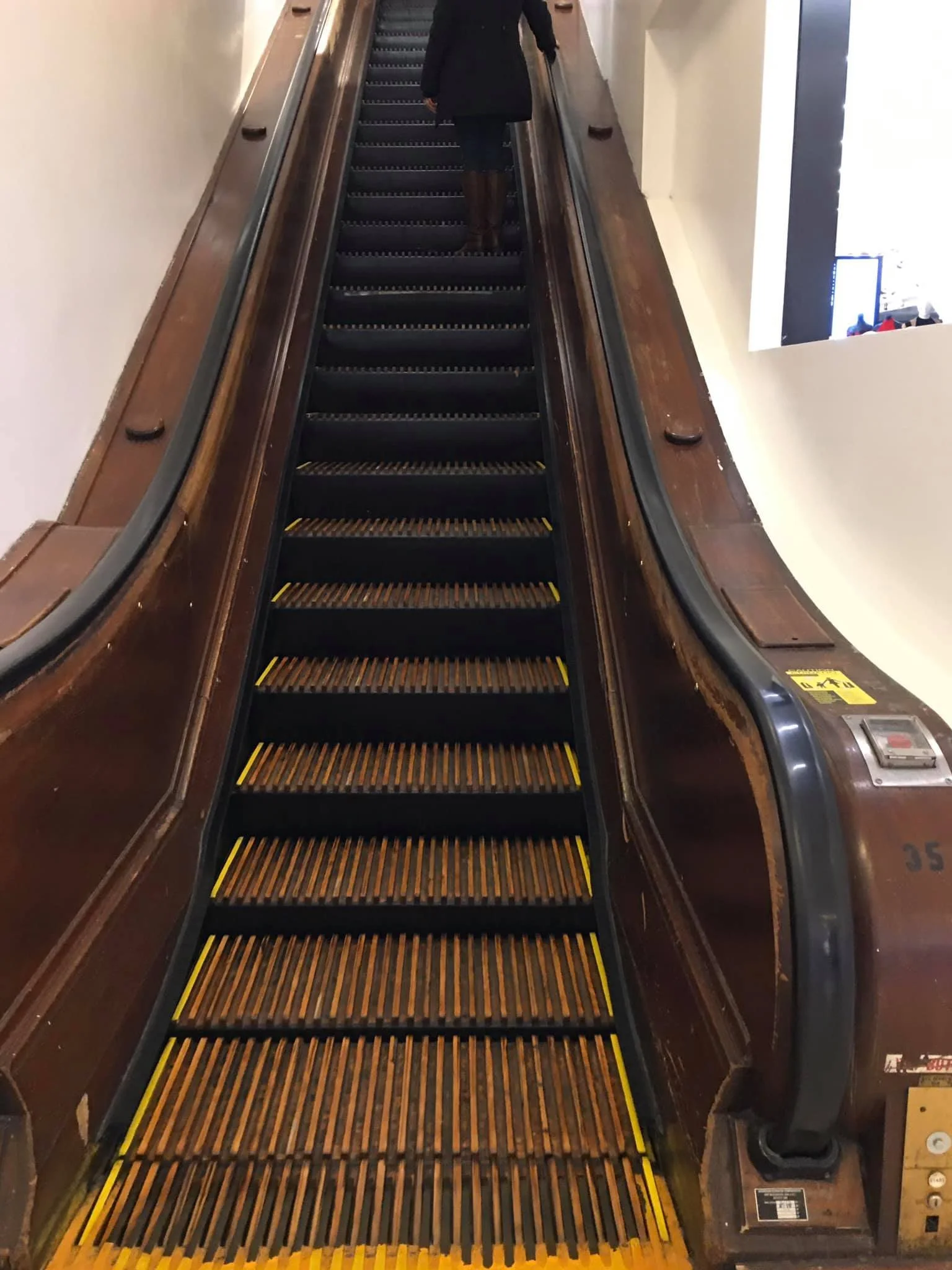
Rowland Hussey Macy, opened 4 dry goods stores between 1843 and 1855. They all failed, but he learned from his mistakes. But it is yet another story of persistence amid failure. He moved to New York in 1858 and tried again with “R.H. Macy Dry Goods” at 6th Avenue. New York City in 1858 and established a new store named "R.H Macy Dry Goods" at Sixth Avenue on the corner of 14th Street. And they still have wooden escalators like I remember as a kid!
From the start, Macy's logo has had a star in one form or another. Why? Probably because Macy got a red star tattoo when he was a teenager working on a whaling ship.
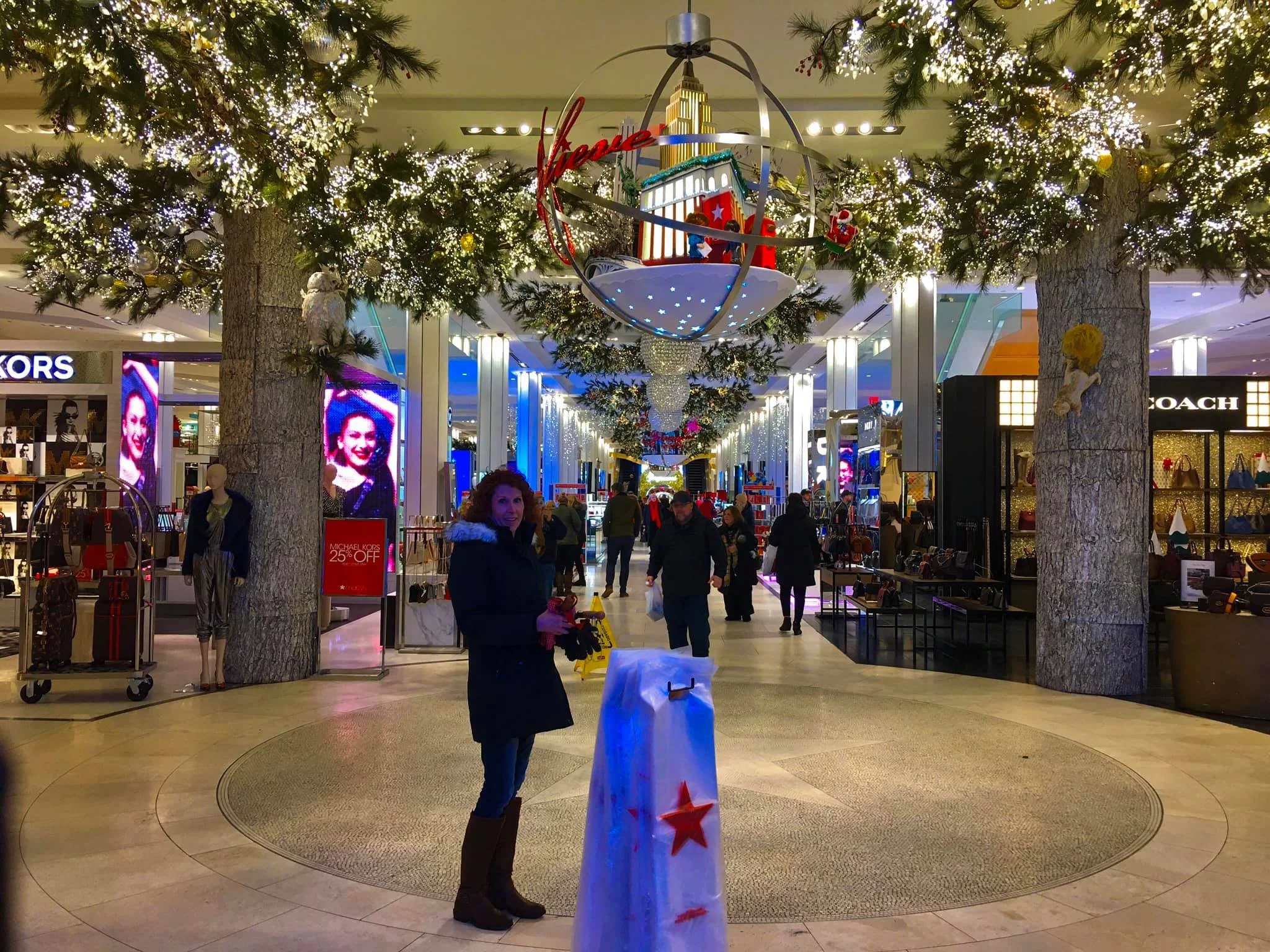
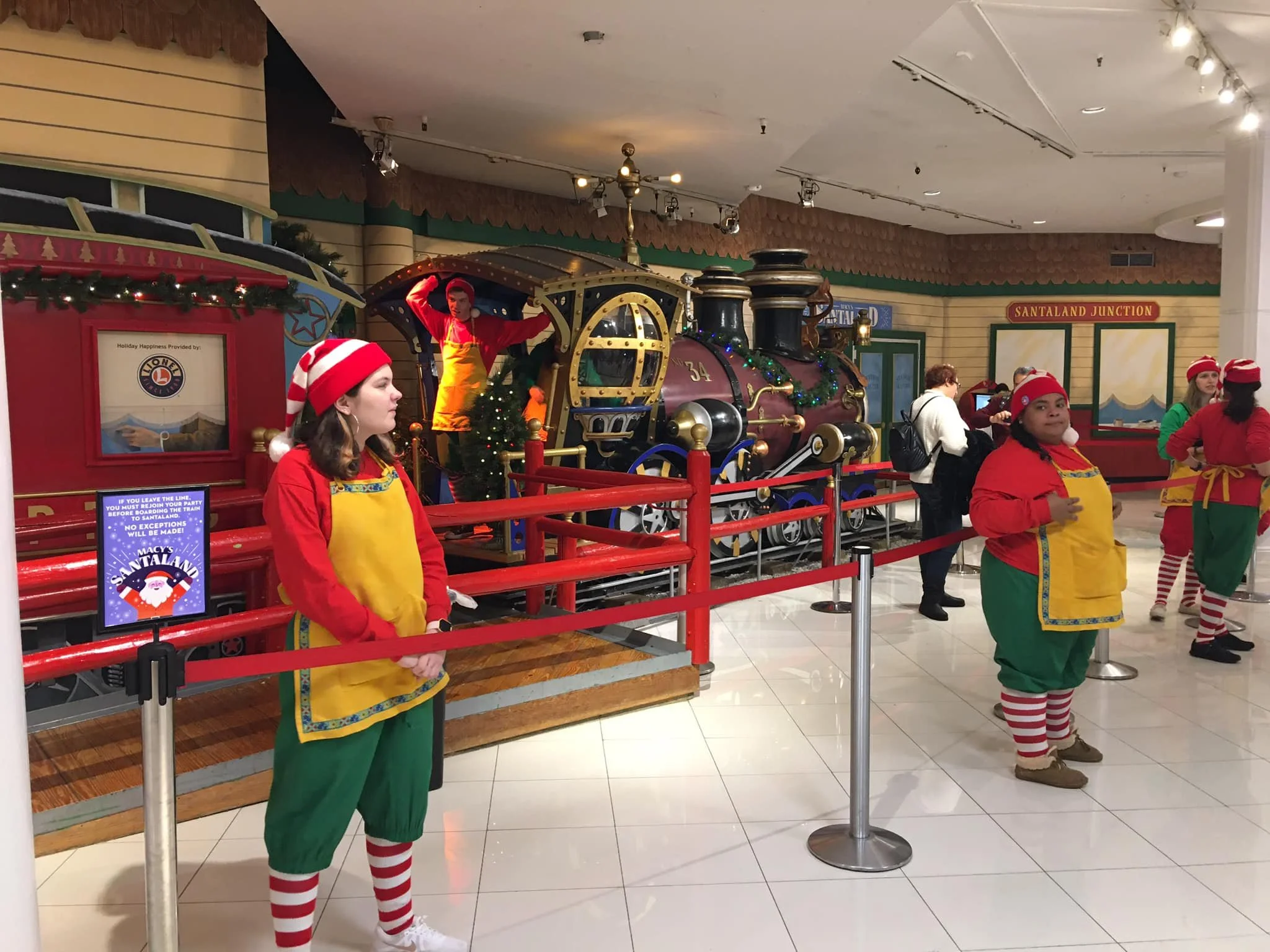
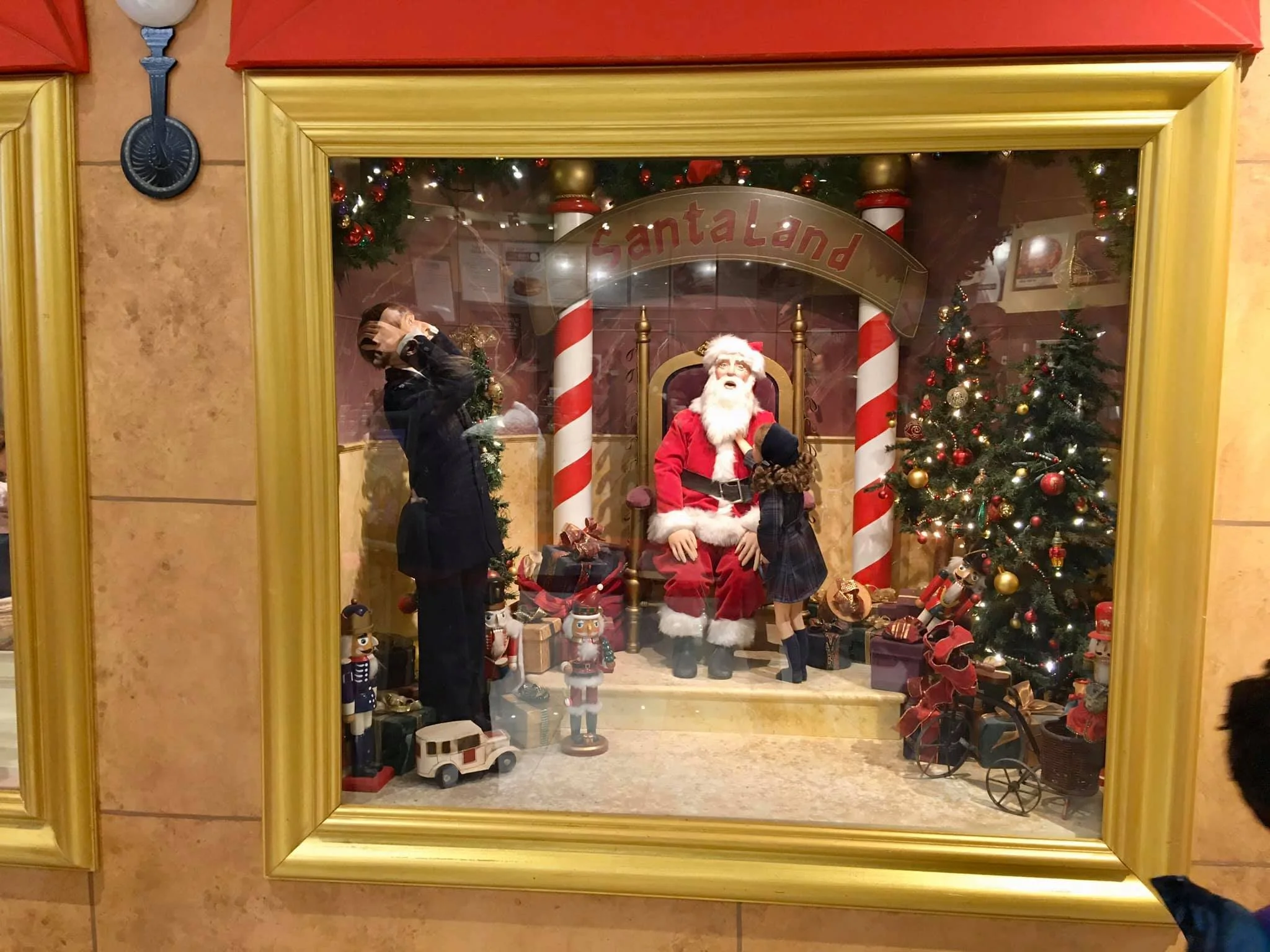
Boy, do they have this Santa Clause thing down! They’ve come a long way from Miracle on 34th Street!
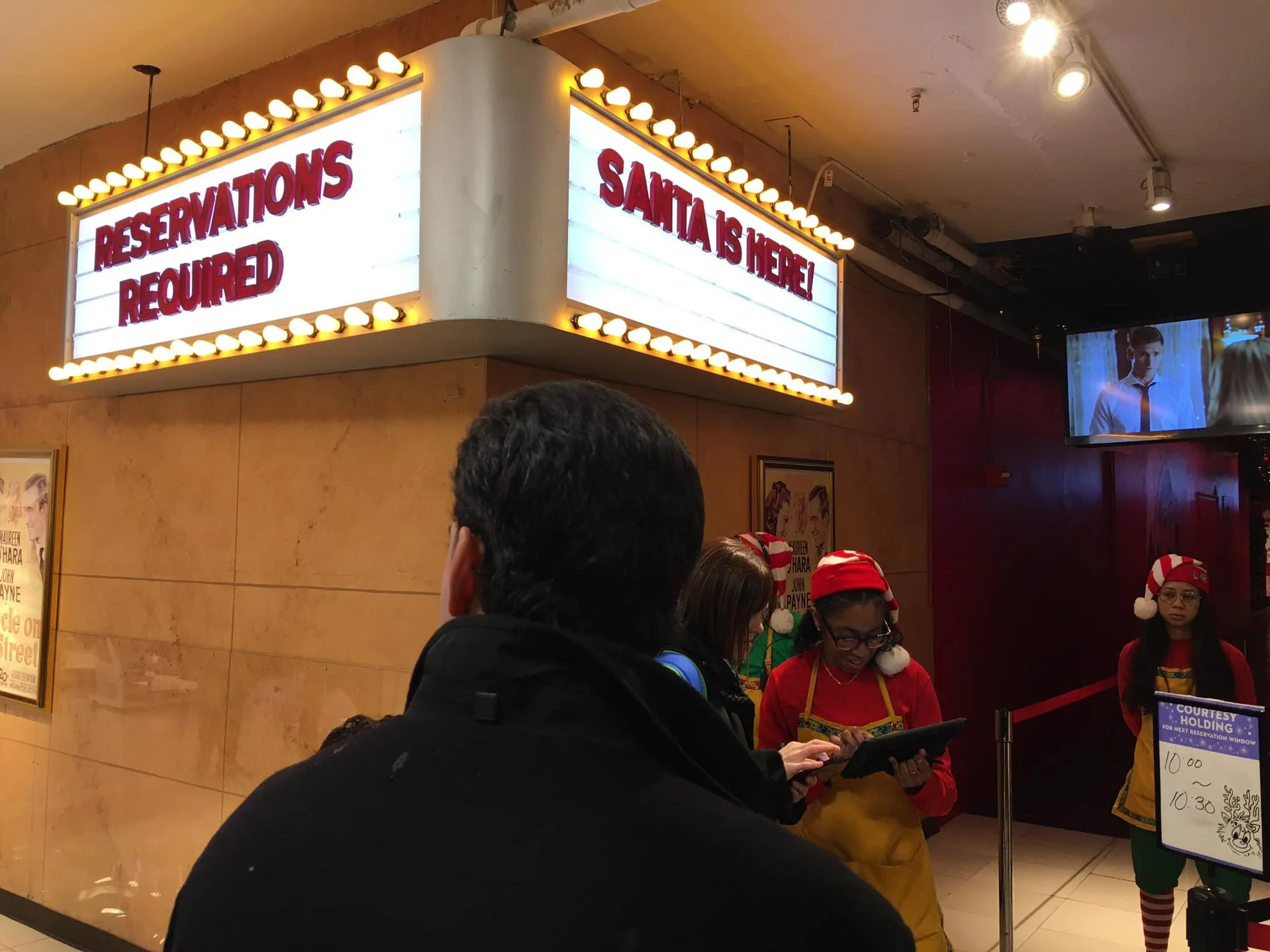
Nowadays at Macy’s, getting to see Santa is by appointment only, unless you stumble across him like we did.

Wandering the Backways, we found Santa taking a break and checking his Cell Phone. We were hesitant to approach him ‘cause we didn’t have an appointment.
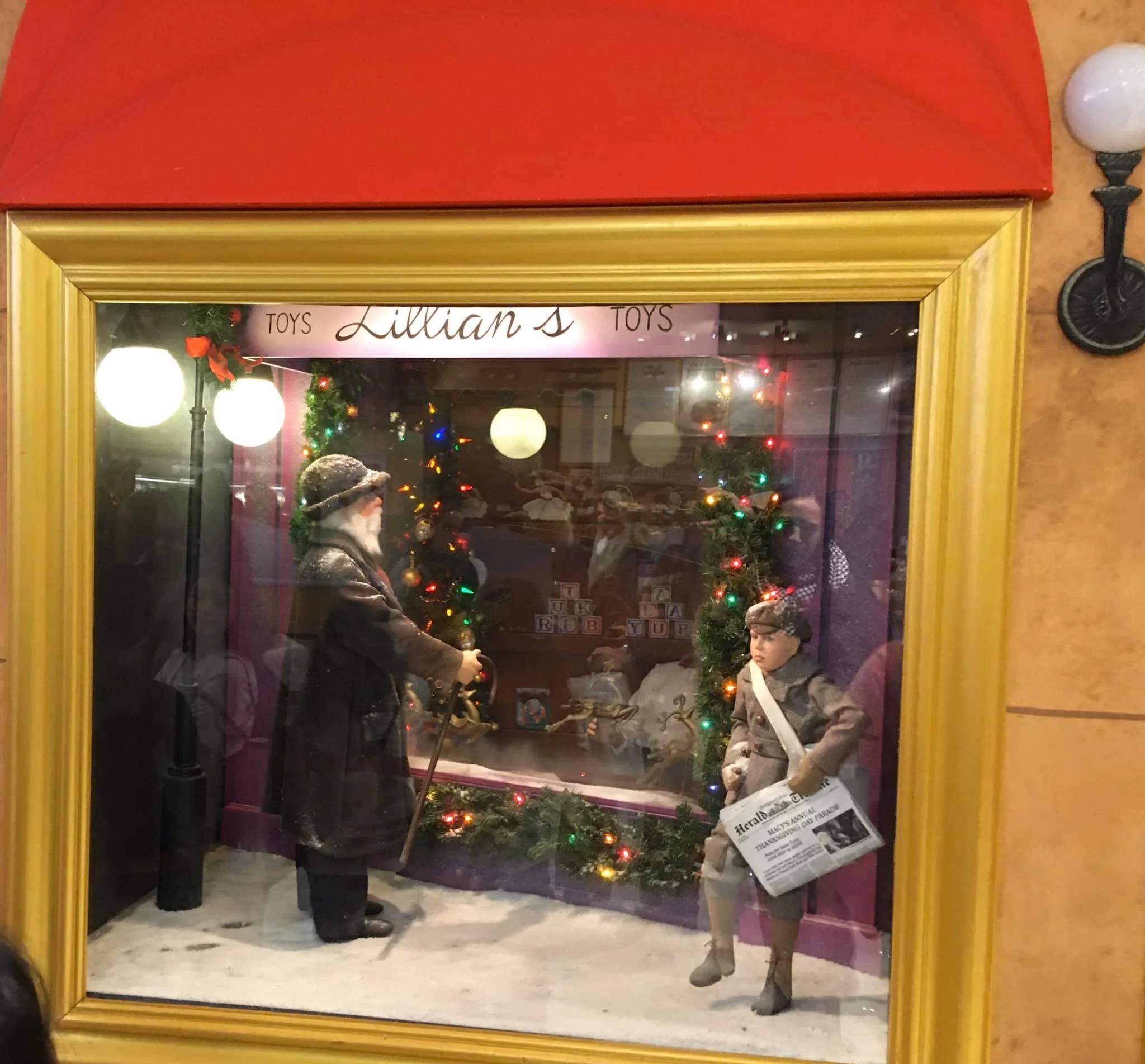
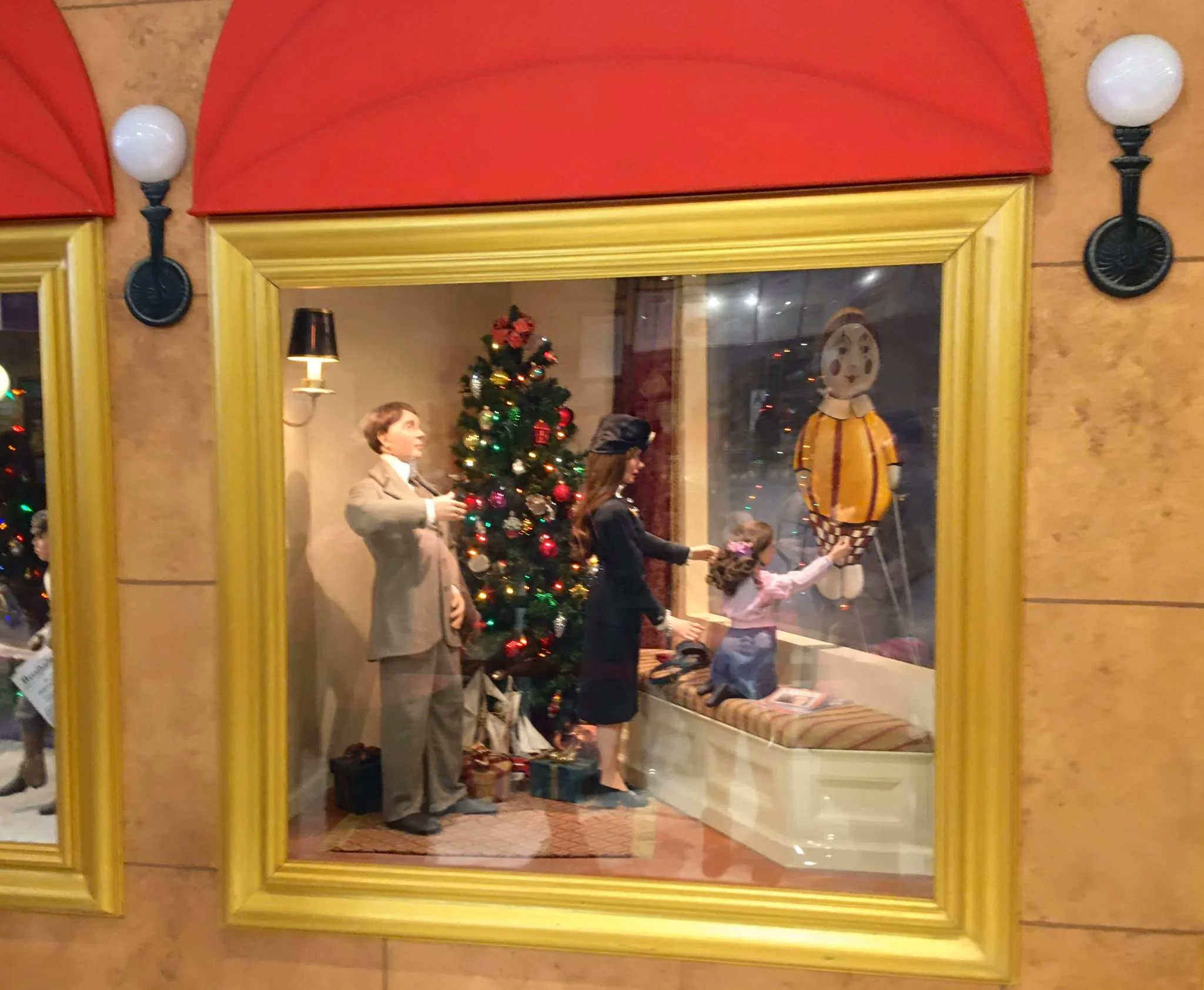
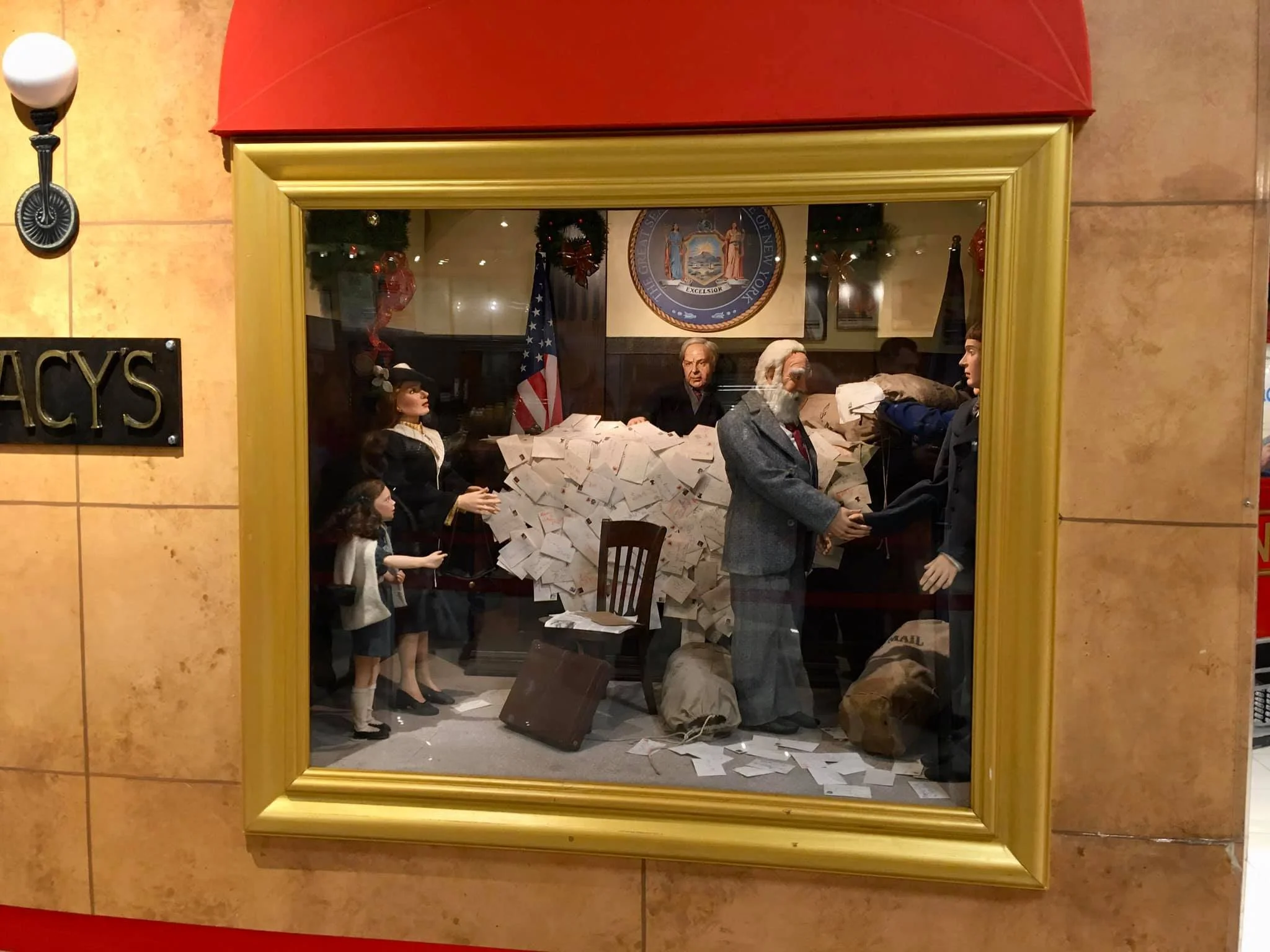
Rockefeller Center
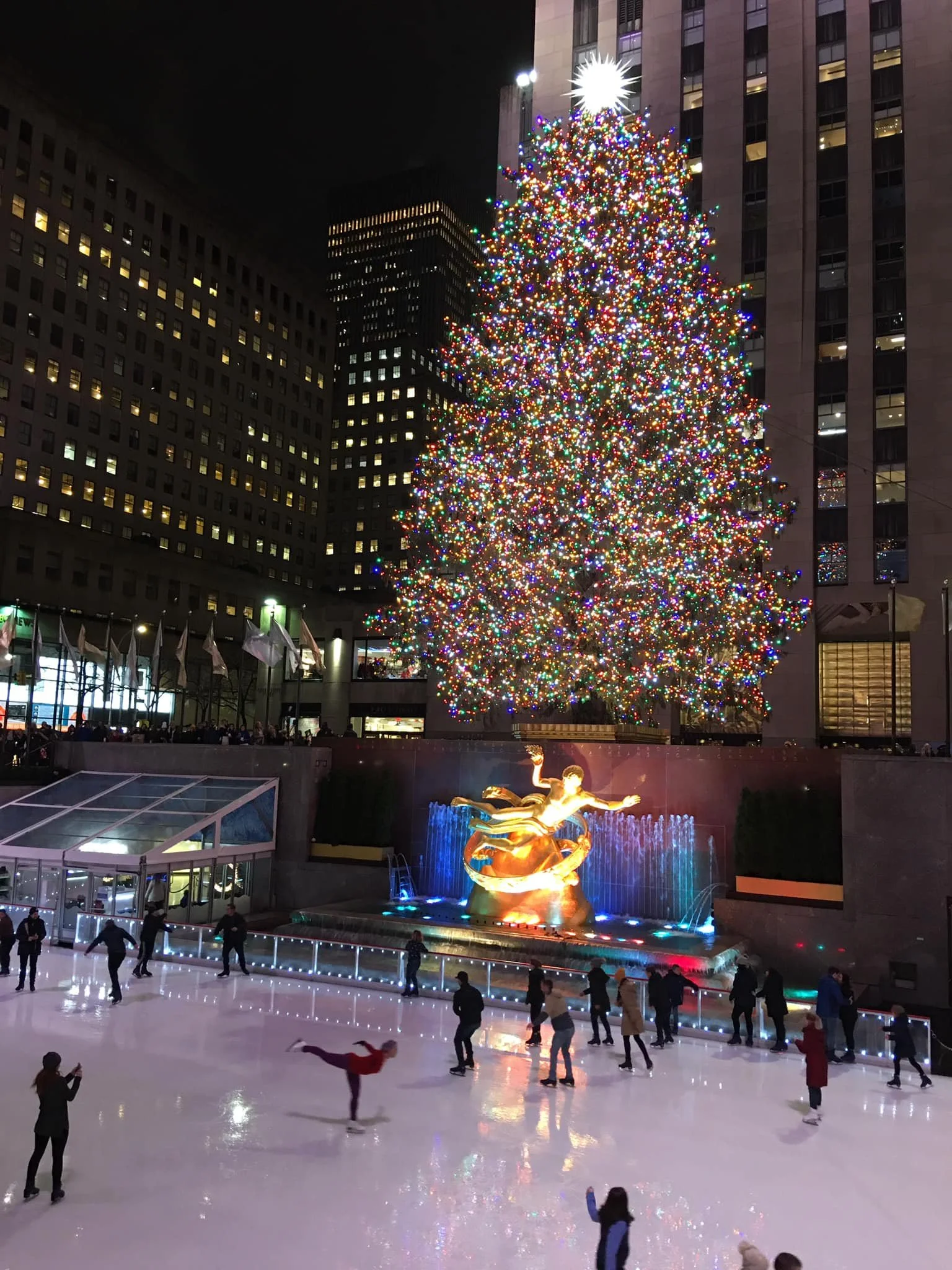
Up to 100 feet tall, 50,000 lights, the Rockefeller Plaza Christmas Tree lights up the skating rink!
From Macy’s we headed back up 6th Avenue toward Radio City Music Hall and Rockefeller Center, 4 blocks north.
Rockefeller Center was built by Rockefeller in the 1930s, originally to provide a new home for the Metropolitan Opera who wanted to move from their location on Broadway. But after the stock market crash, they couldn’t afford to move anymore. Rockefeller, who had already leased the site for 3 million dollars a year for 87 years and had already started razing buildings, was stuck. So he quickly negotiated with Radio Corporation of America (RCA) and its subsidiaries, National Broadcasting Company (NBC) and Radio-Keith-Orpheum (RKO), to build an entertainment complex on the site and by May 1930, all parties had agreed.
14 original Art Deco buildings, span the area between 5th Avenue and 6th Avenue, split by a large sunken square and a private street called Rockefeller Plaza. Radio City includes Radio City Music Hall and was built for RCA's radio-related enterprises such as NBC.
There’s plenty to do here, especially Top of the Rock. Don’t miss The Beam there. At Christmas, the Tree lights up the ice skating rink. Art is displayed everywhere and an expansive underground concourse makes getting around easy.
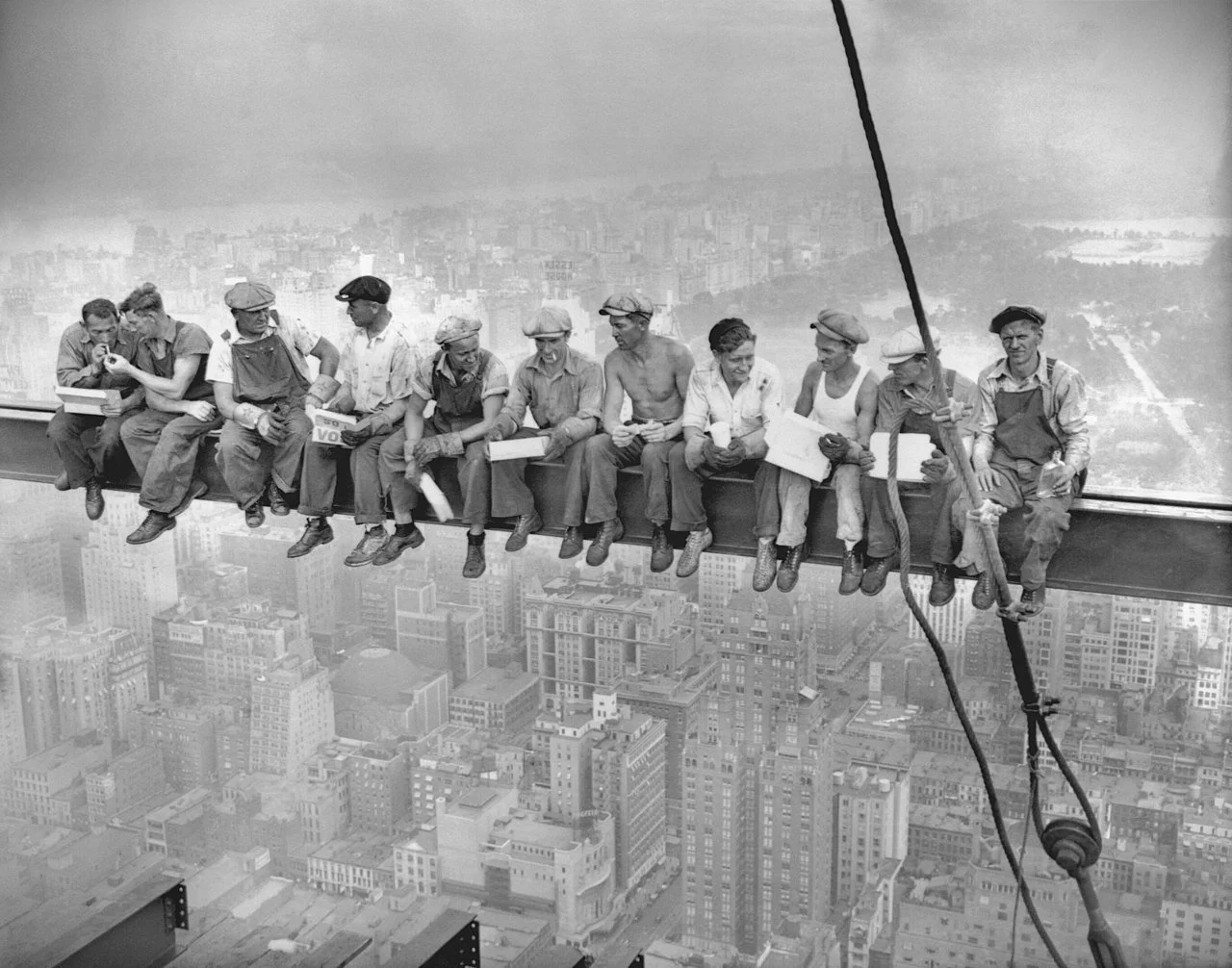
Remember this iconic photo of iron workers having lunch 69 stories high while constructing Rockefeller Plaza?
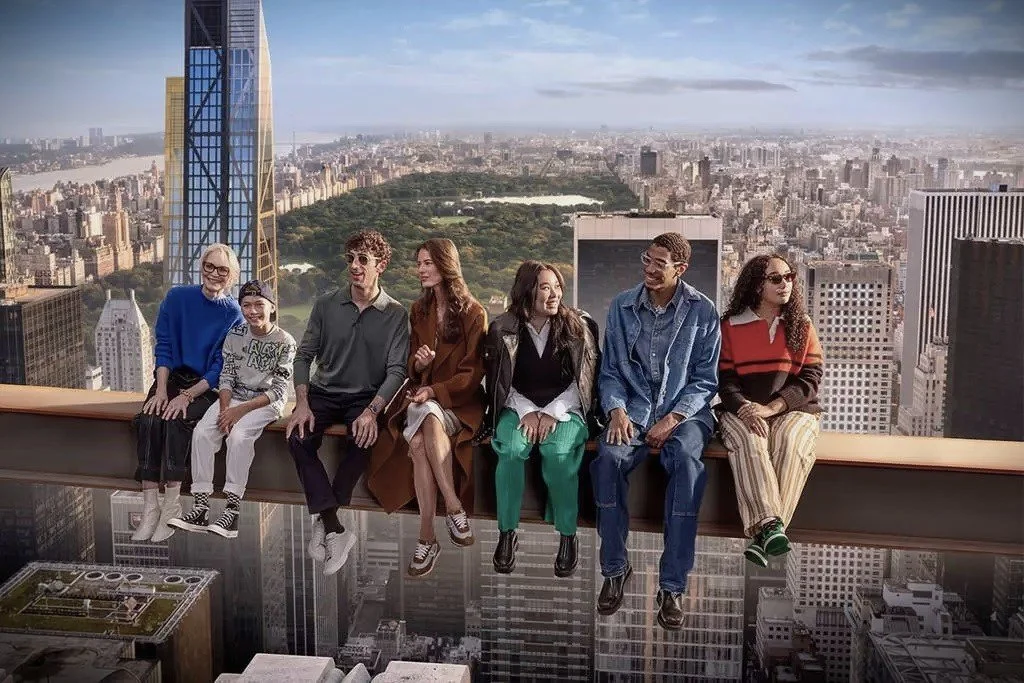
Well…look what you can do now at the Top of the Rock!
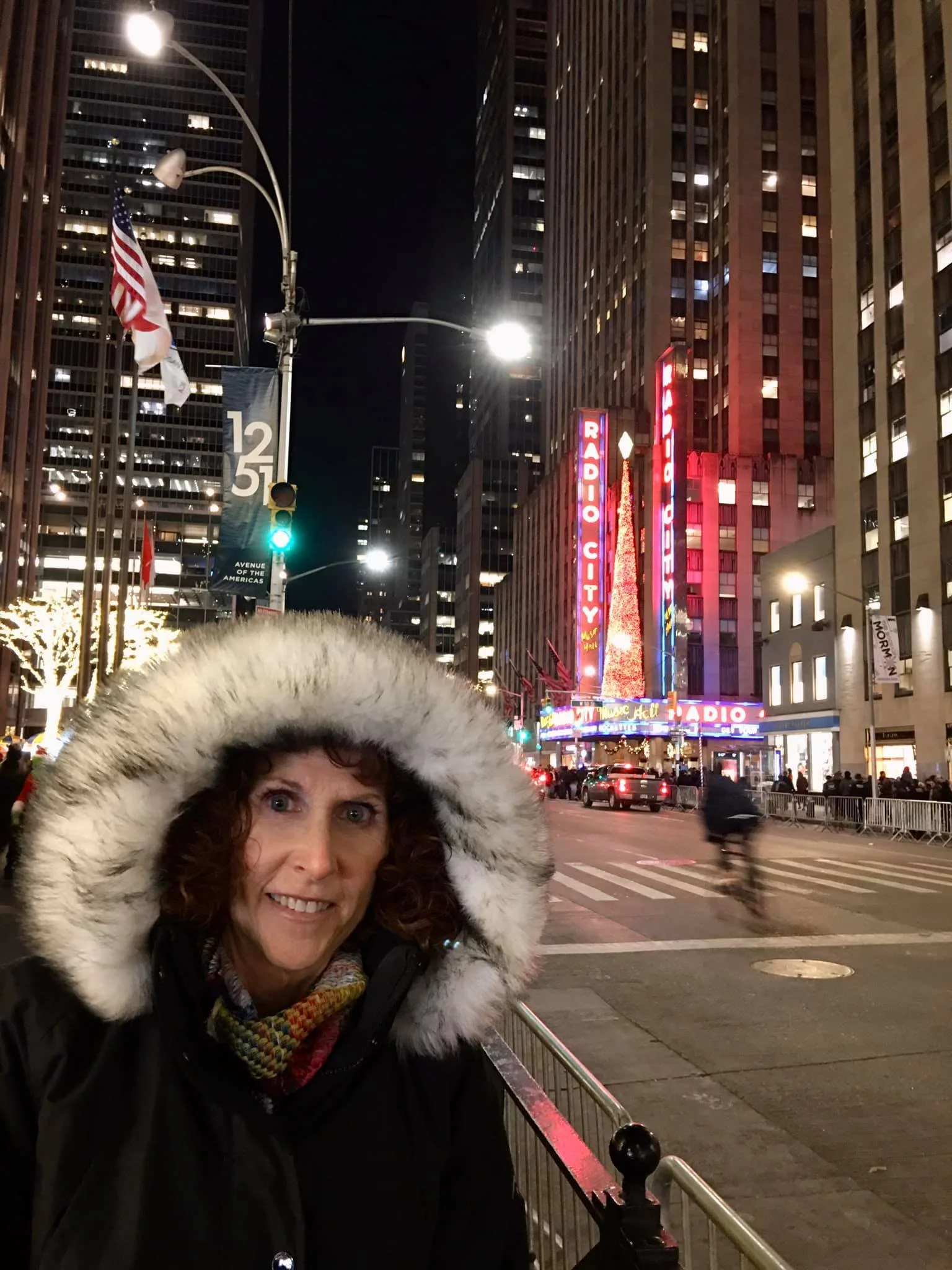
We were admonished NOT to miss the Christmas Spectacular performed at Radio City by the Rockettes. Well we missed it. We had packed so much in, we were just too exhausted to do it. You should plan accordingly.
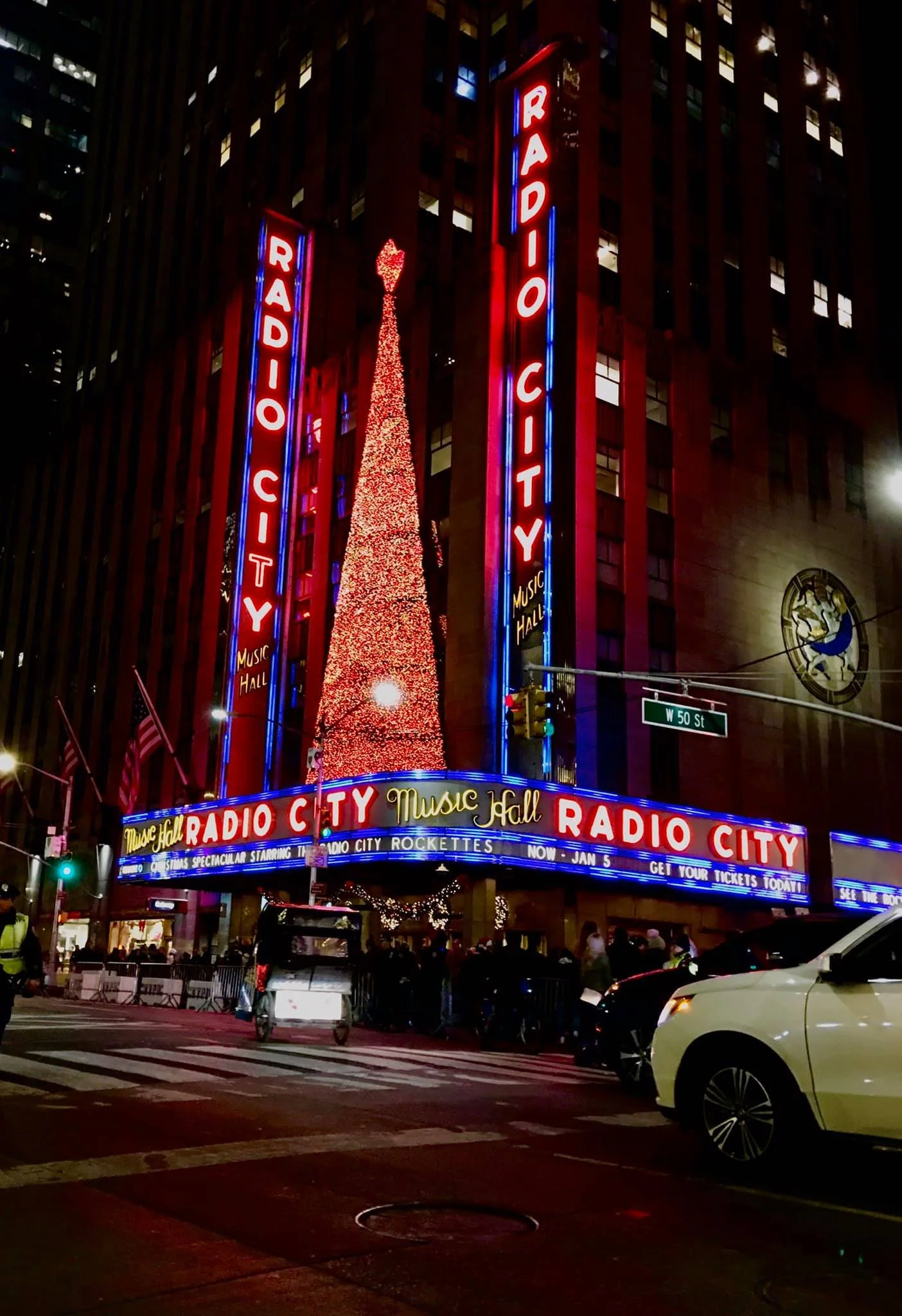
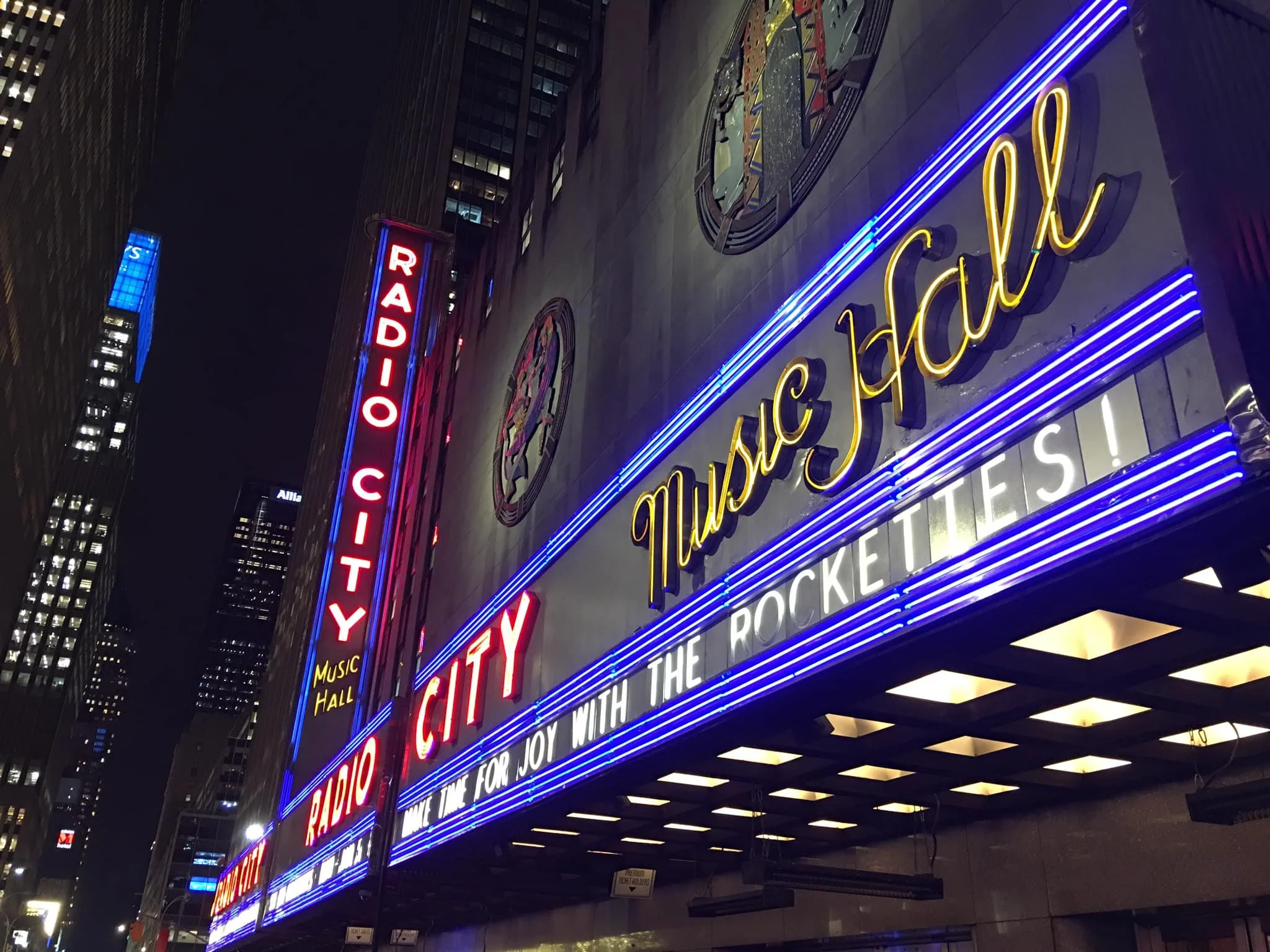
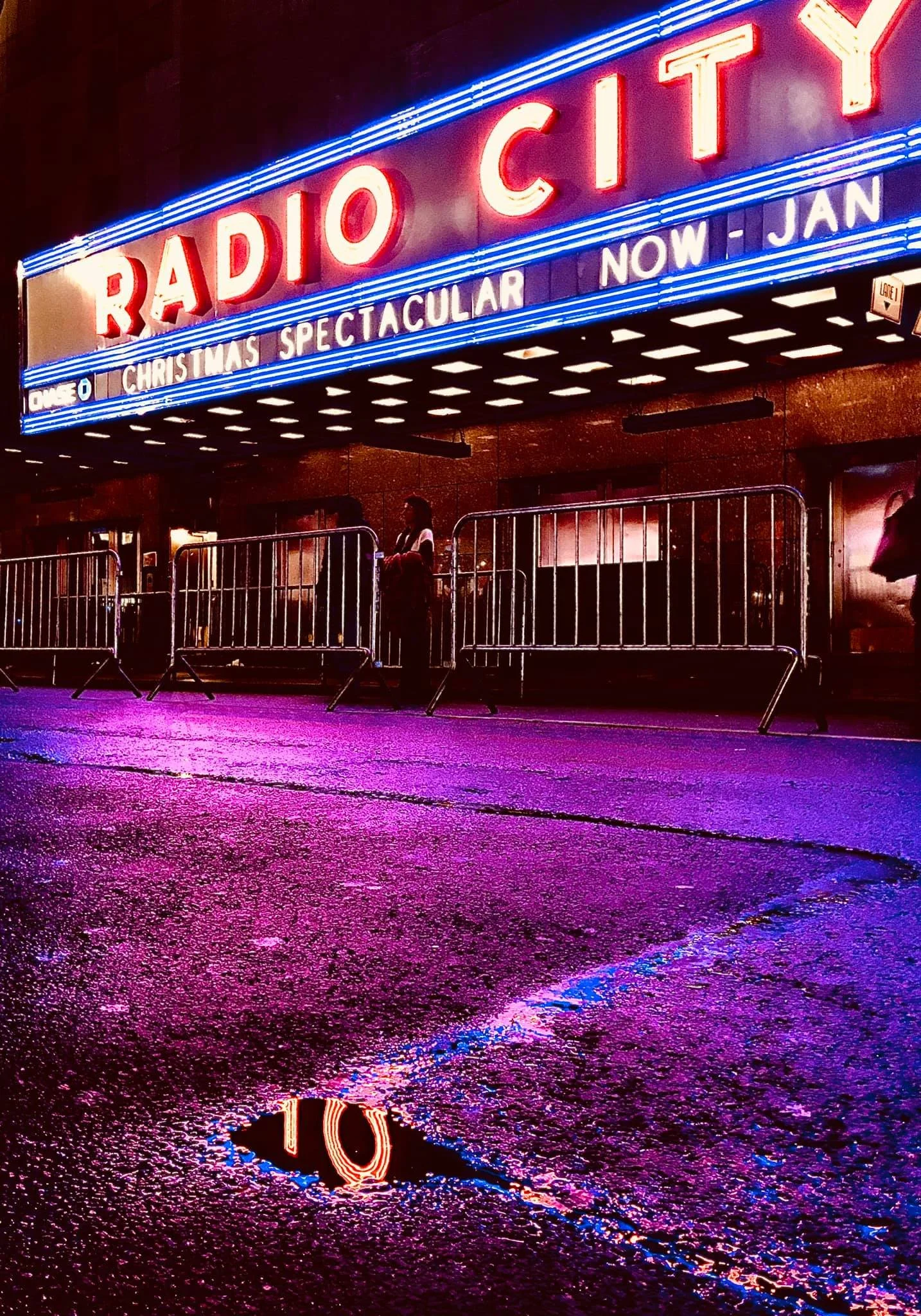
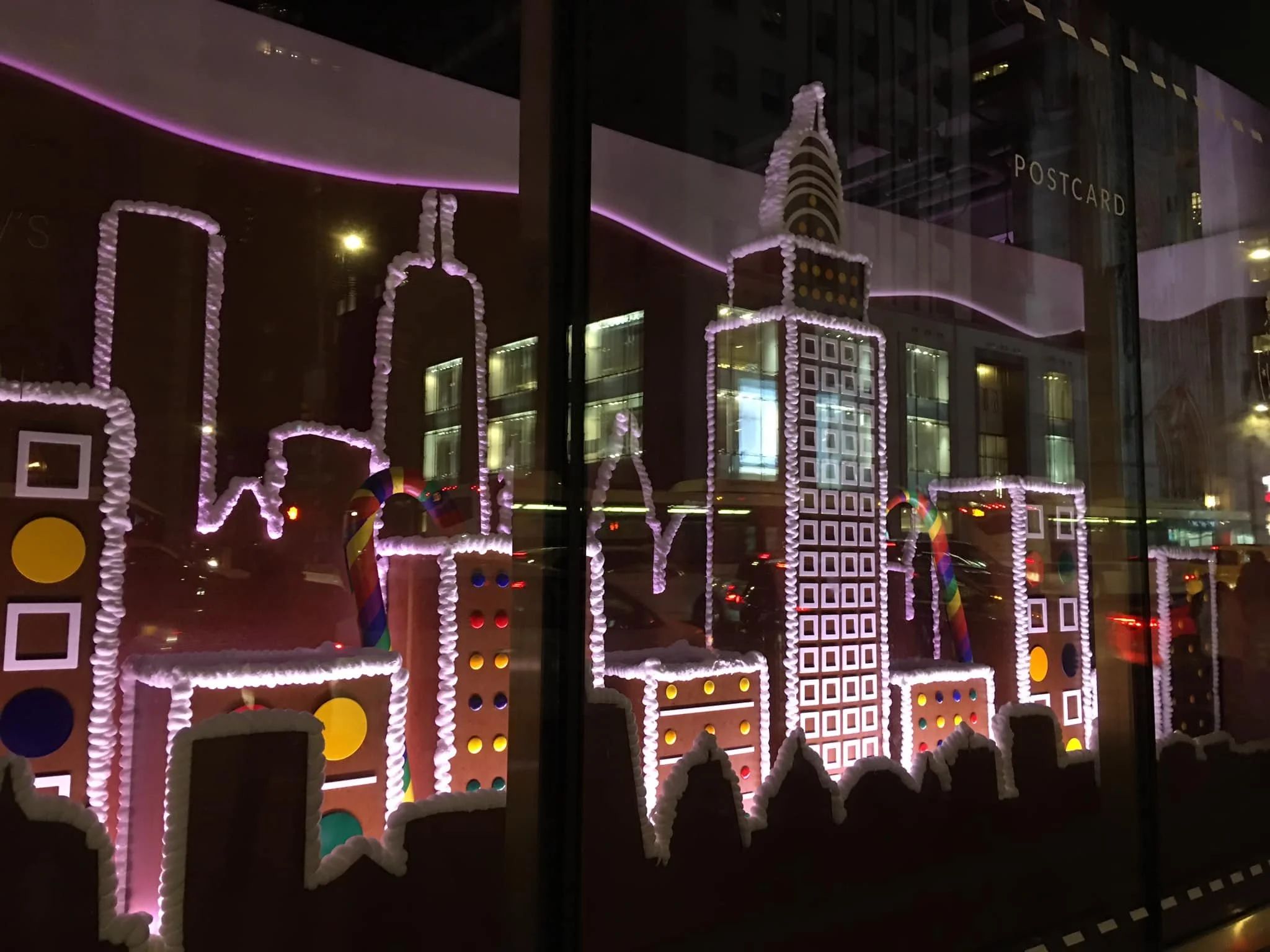
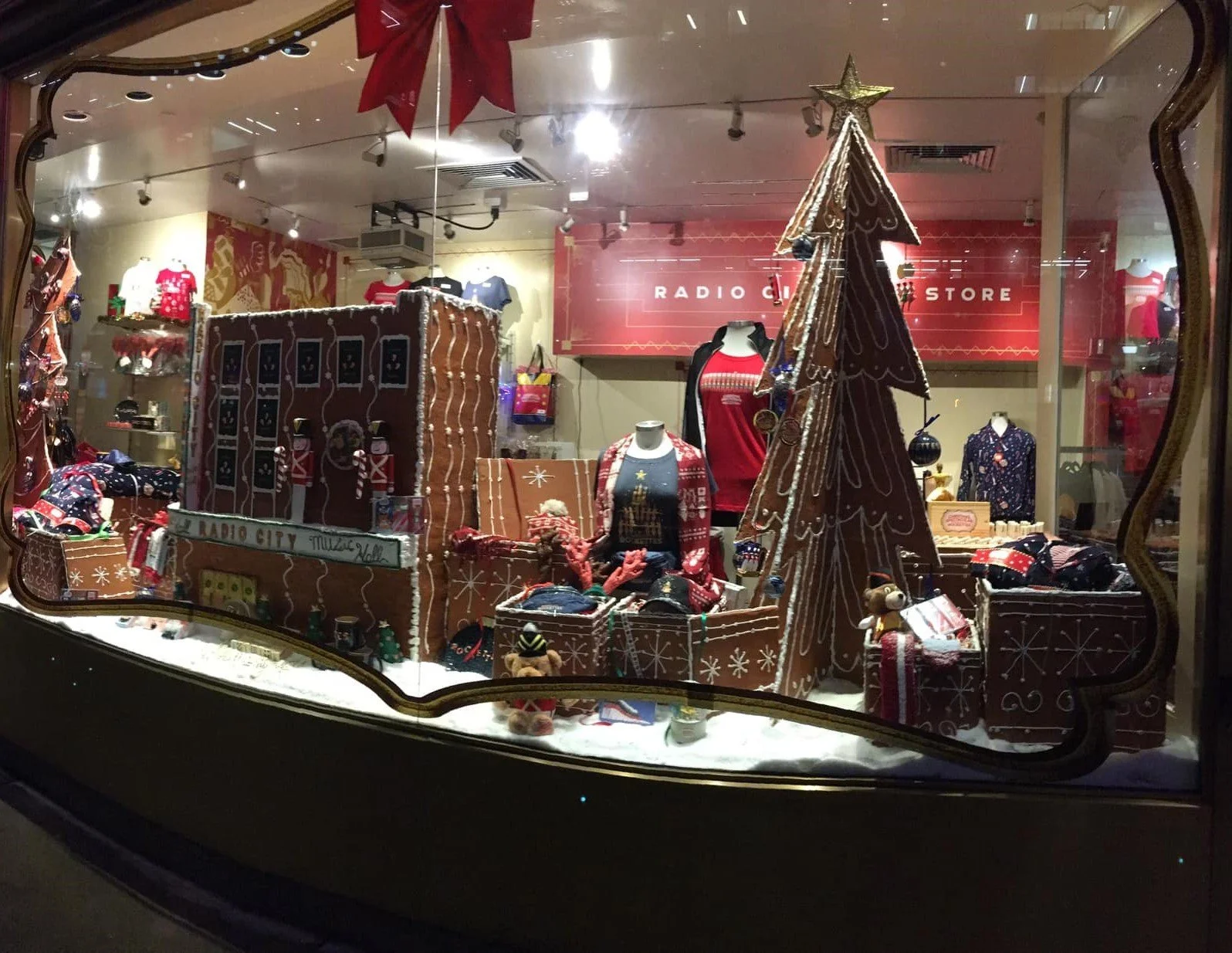
Macy’s Window Displays prompted us to hit the New York Streets after dark and see the other Christmas Displays…
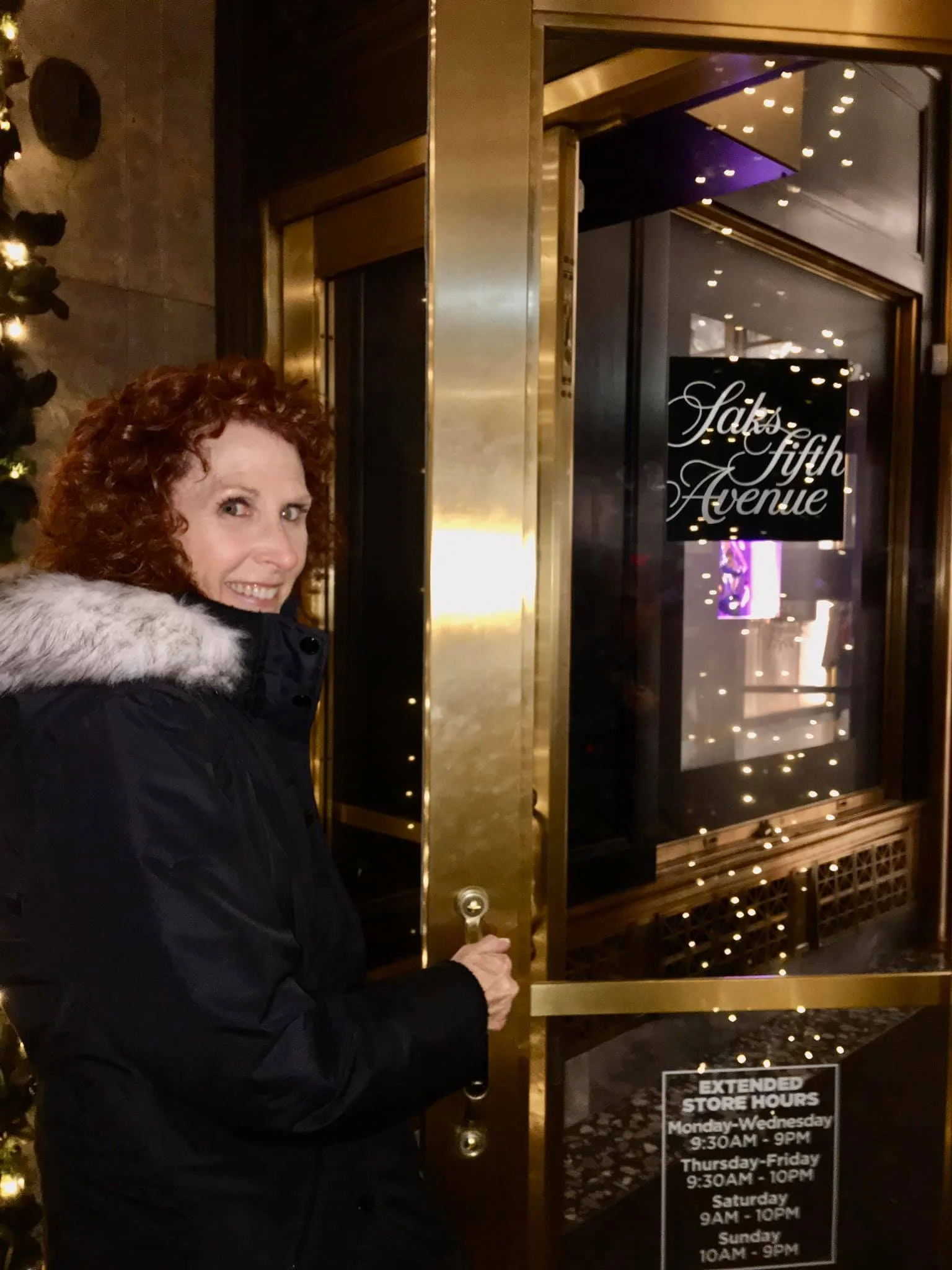
…But on the Way, Susan got Side Tracked Again! We happened onto Saks Fifth Avenue! She Lit up like the Rockefeller Center Christmas Tree!
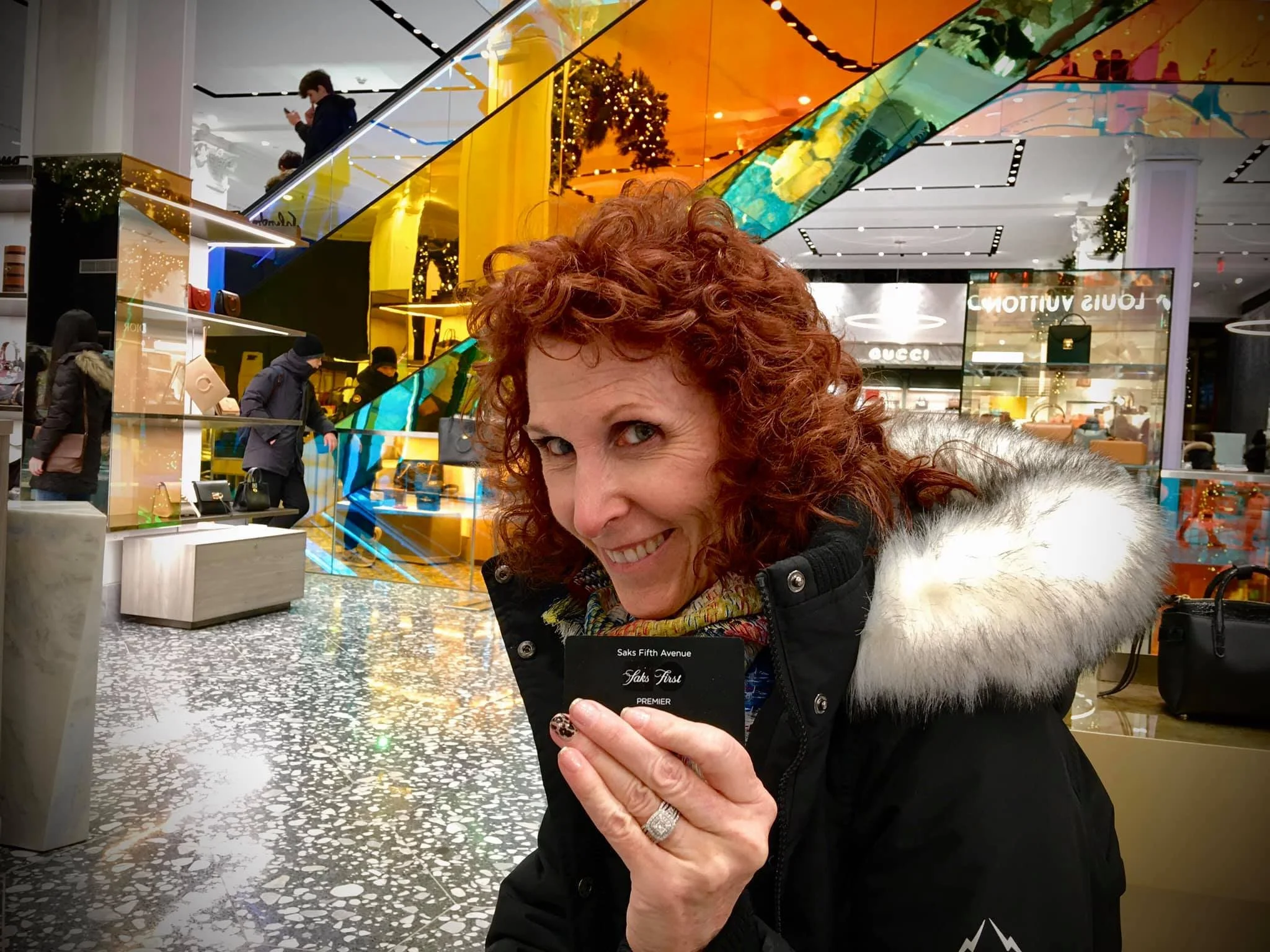
Uh-Oh. I didn’t even know she even had this little card. Even more...that it would work in NYC!
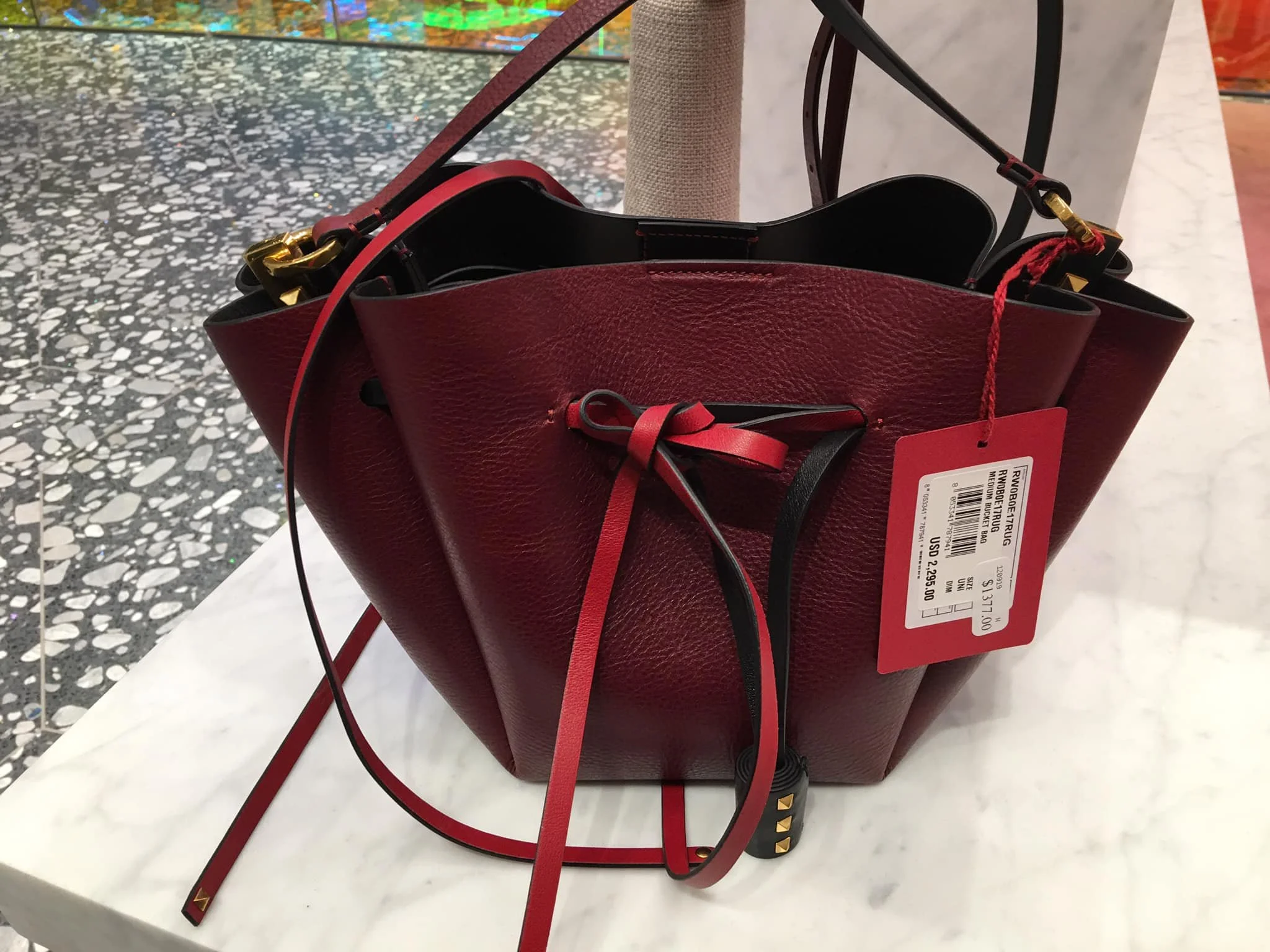
And this lttle purse (8” x 14”) is $2300 marked down to $1300. That’s only a little more than 50%. That’s why I shop at Walmart. Not for purses, though.
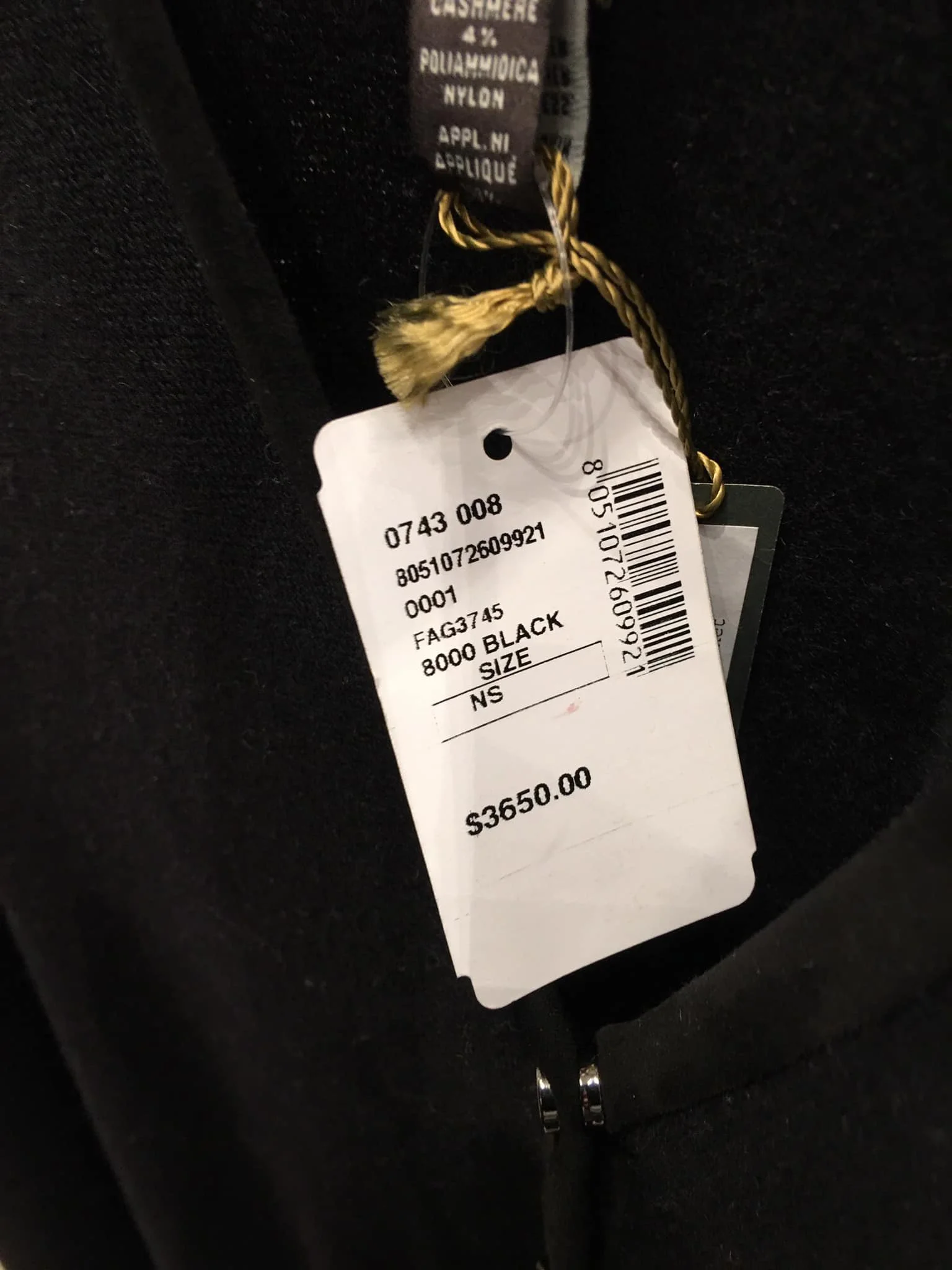
A simple cashmere shawl…$3,600!!
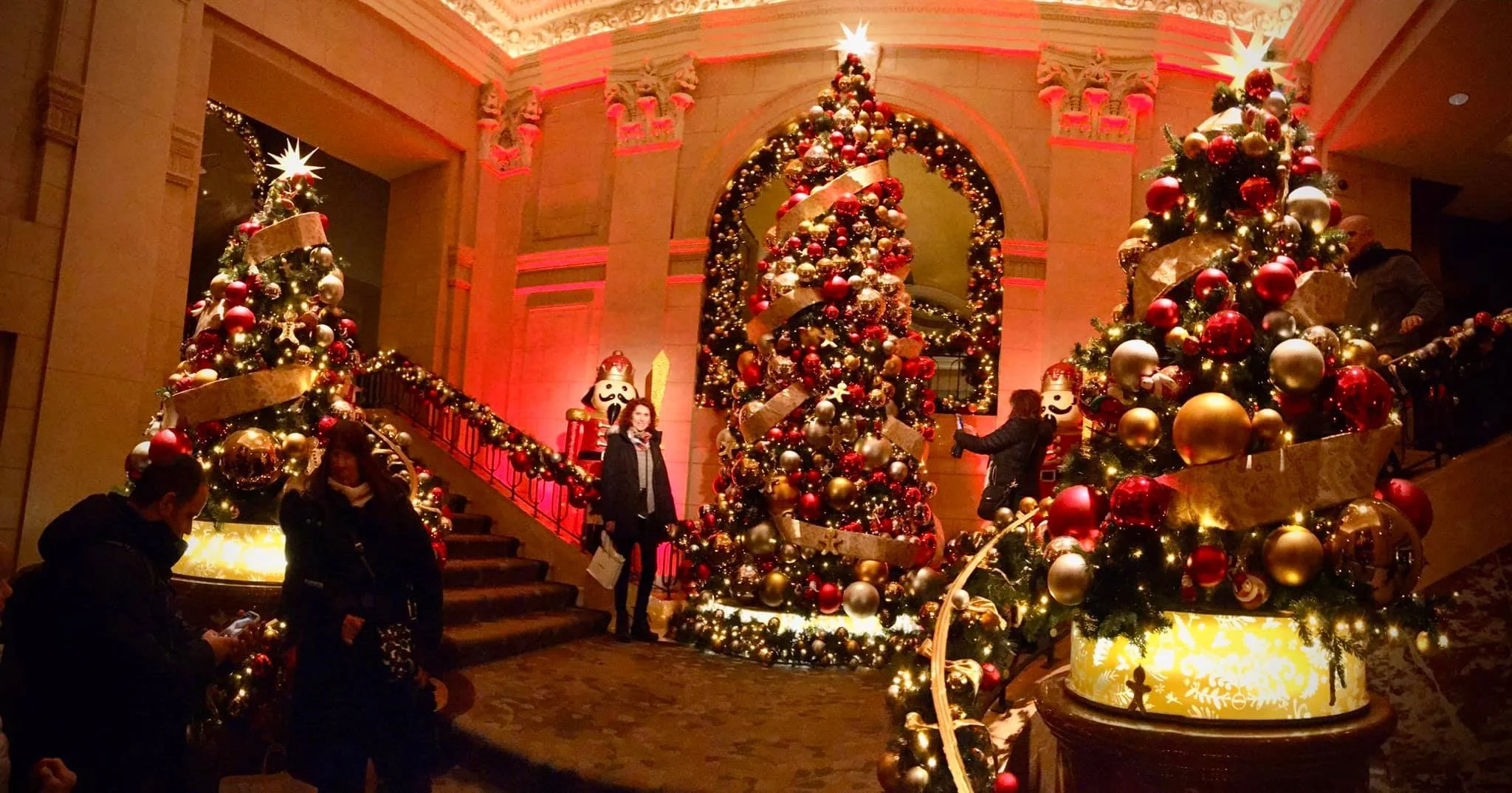
After I finally pulled Susan out of Saks (we got out with only an overpriced scarf which amazingly was in our price comfort zone), we headed down the street and were surprised to be invited inside the Peninsula Hotel by the doorman to see their Christmas Tree!
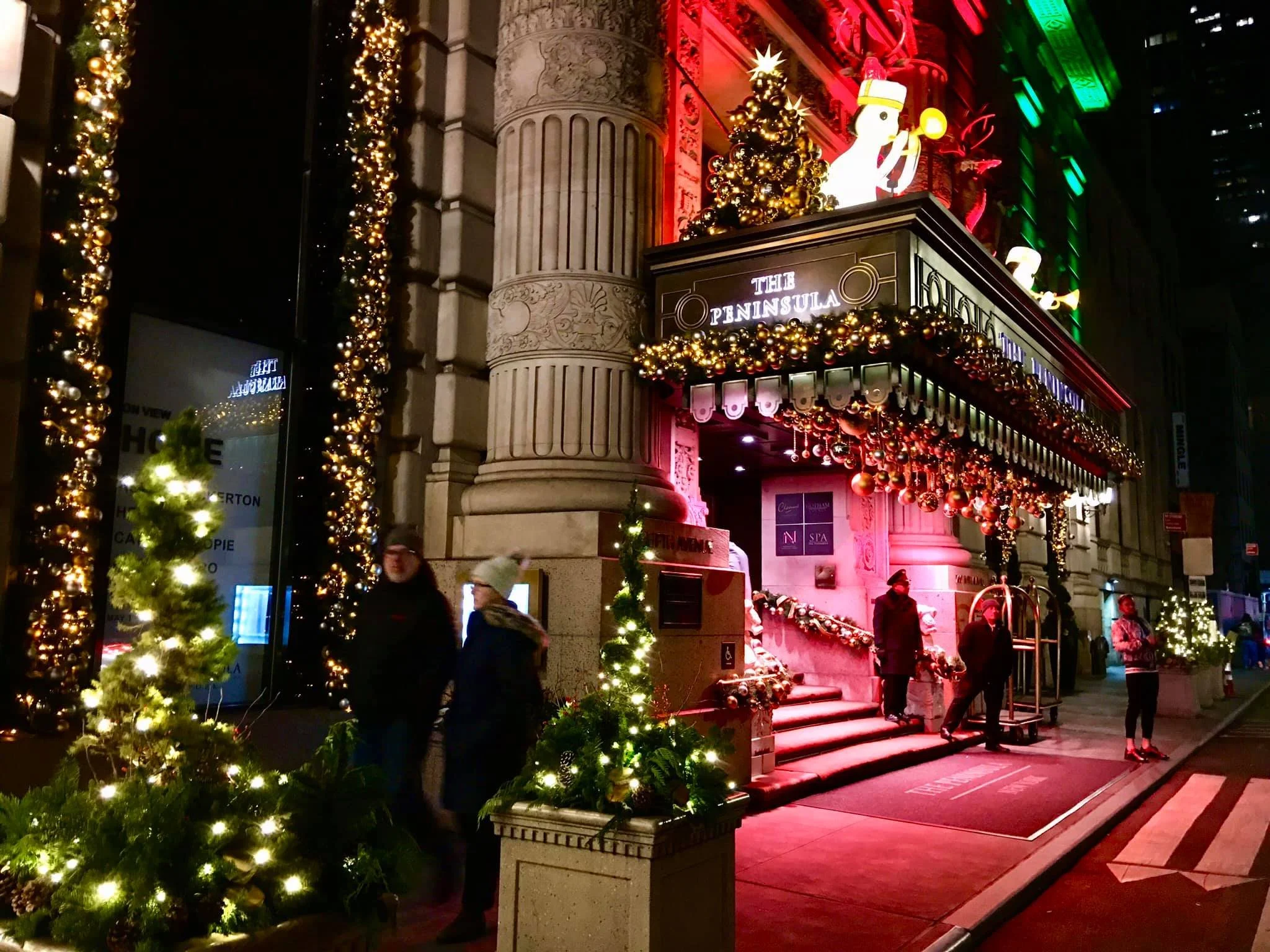
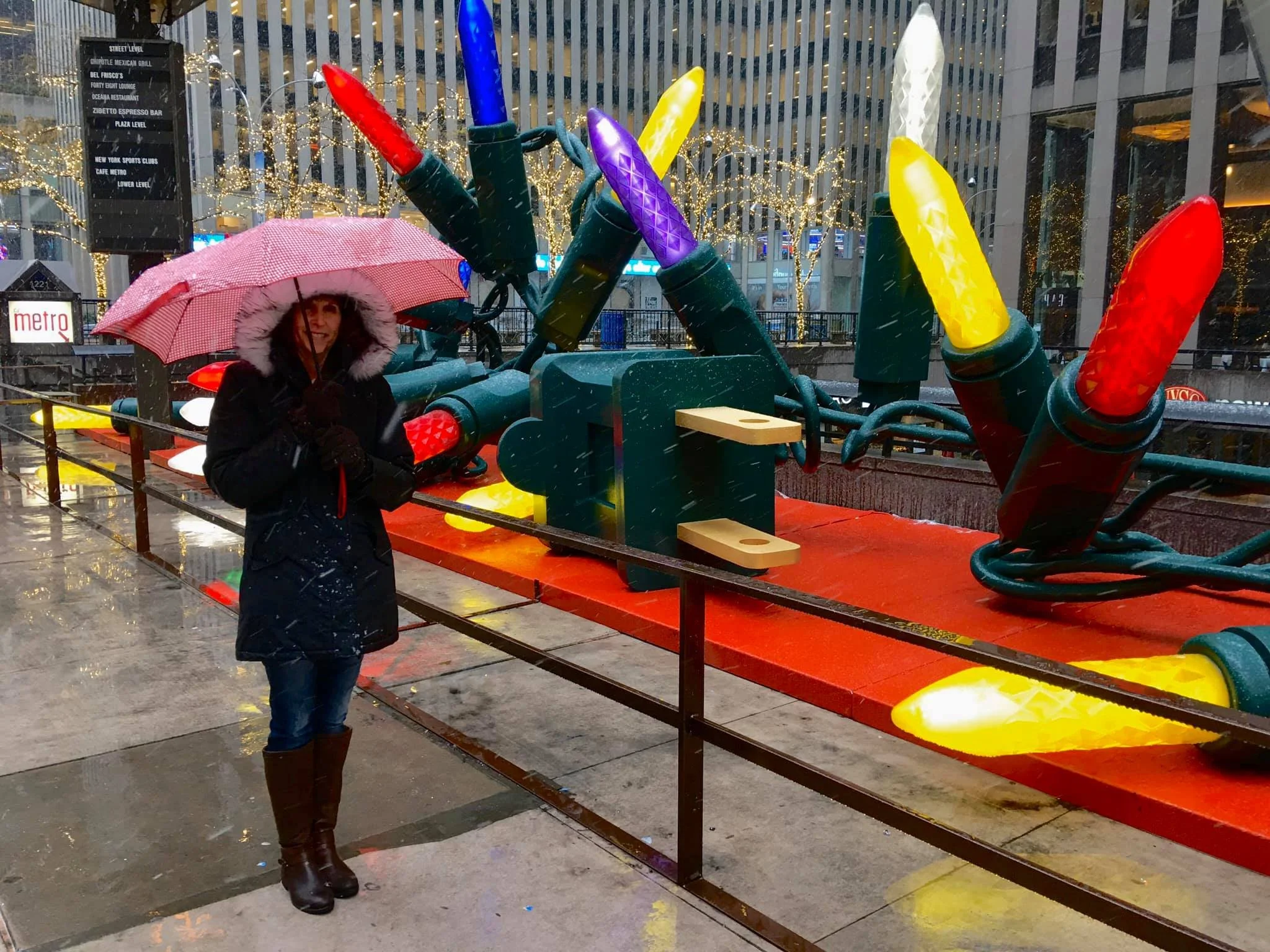
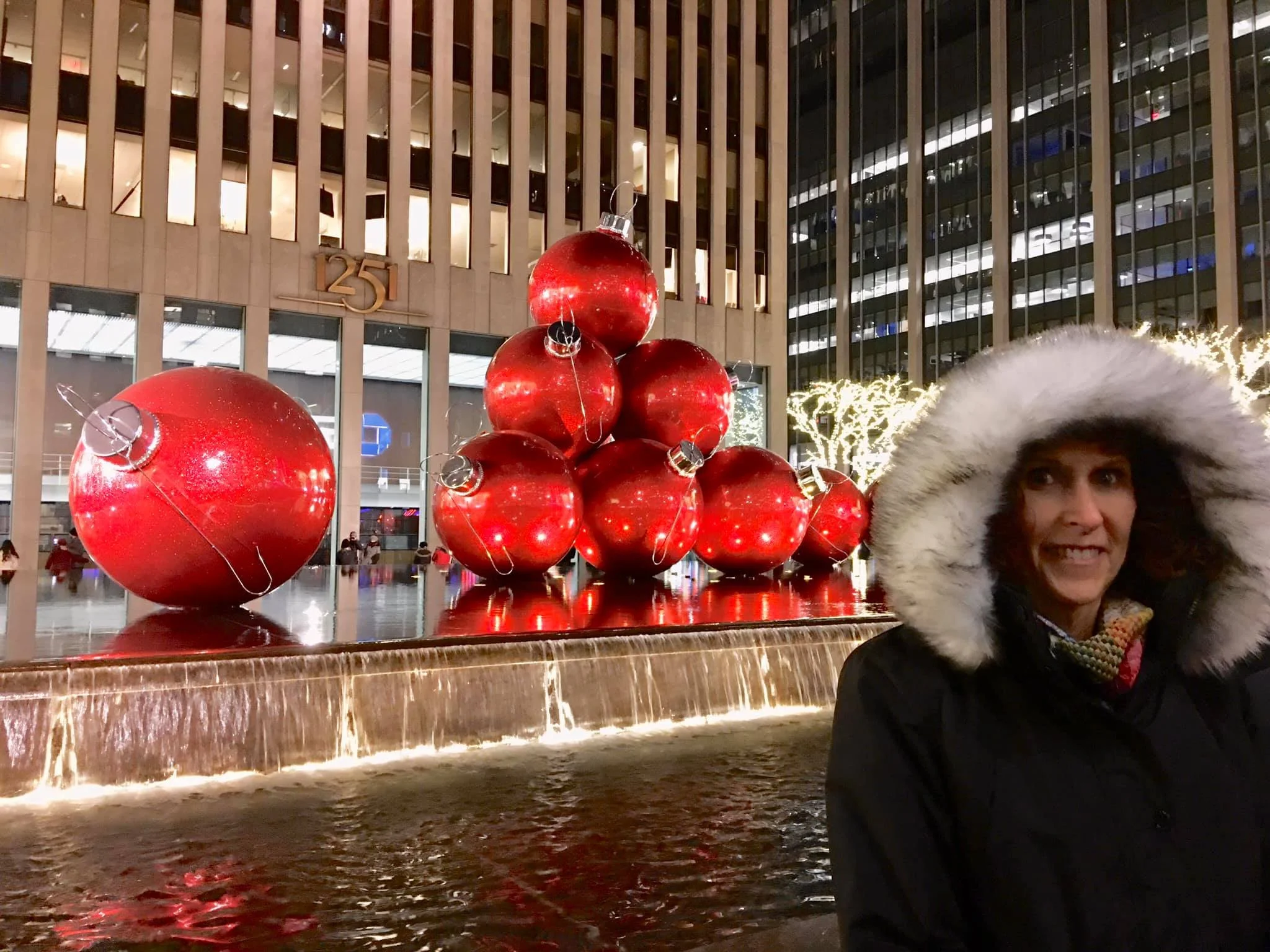
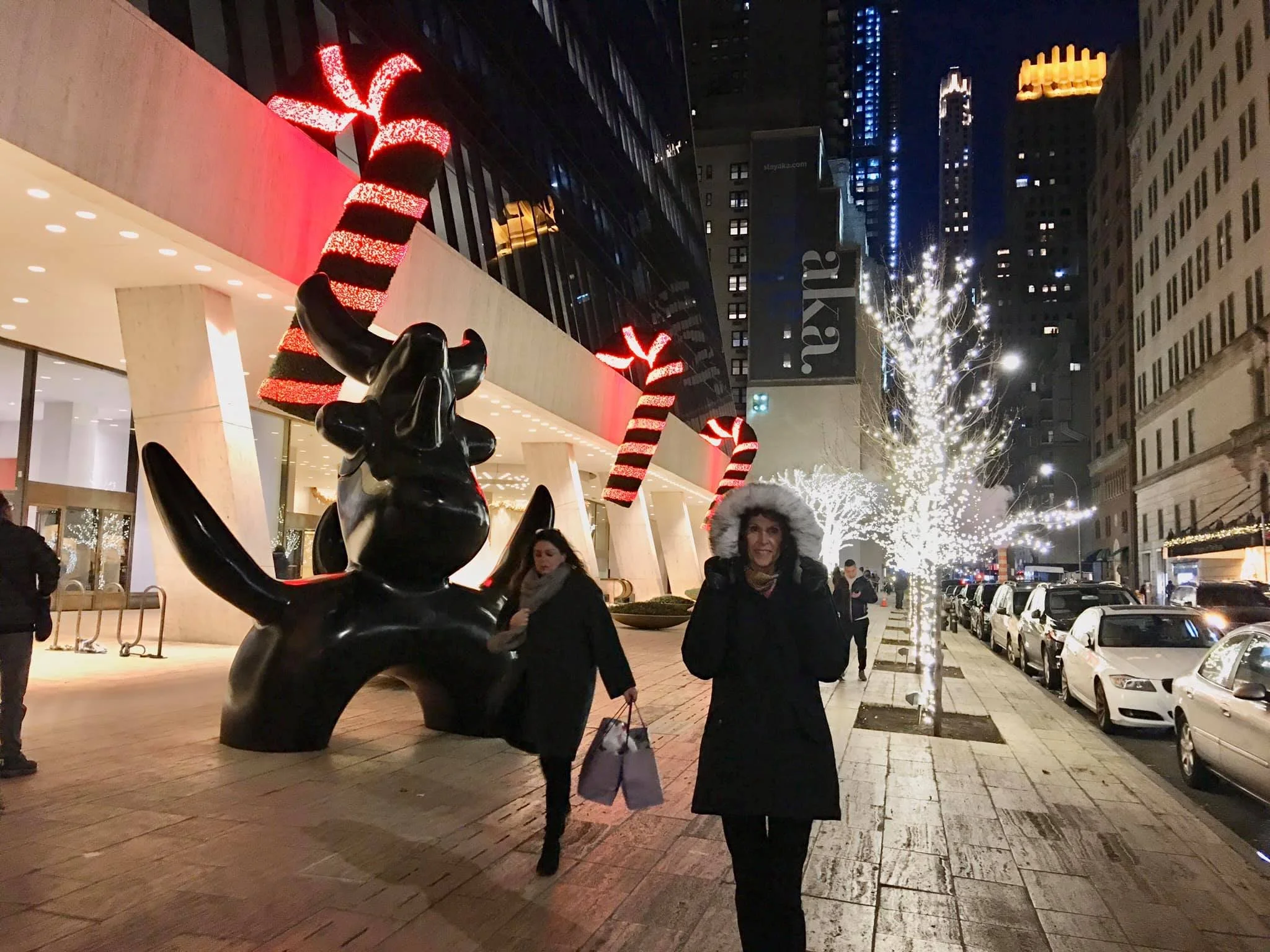
Street Decorations by Avenue of the Americas on 6th Avenue and 48th Street
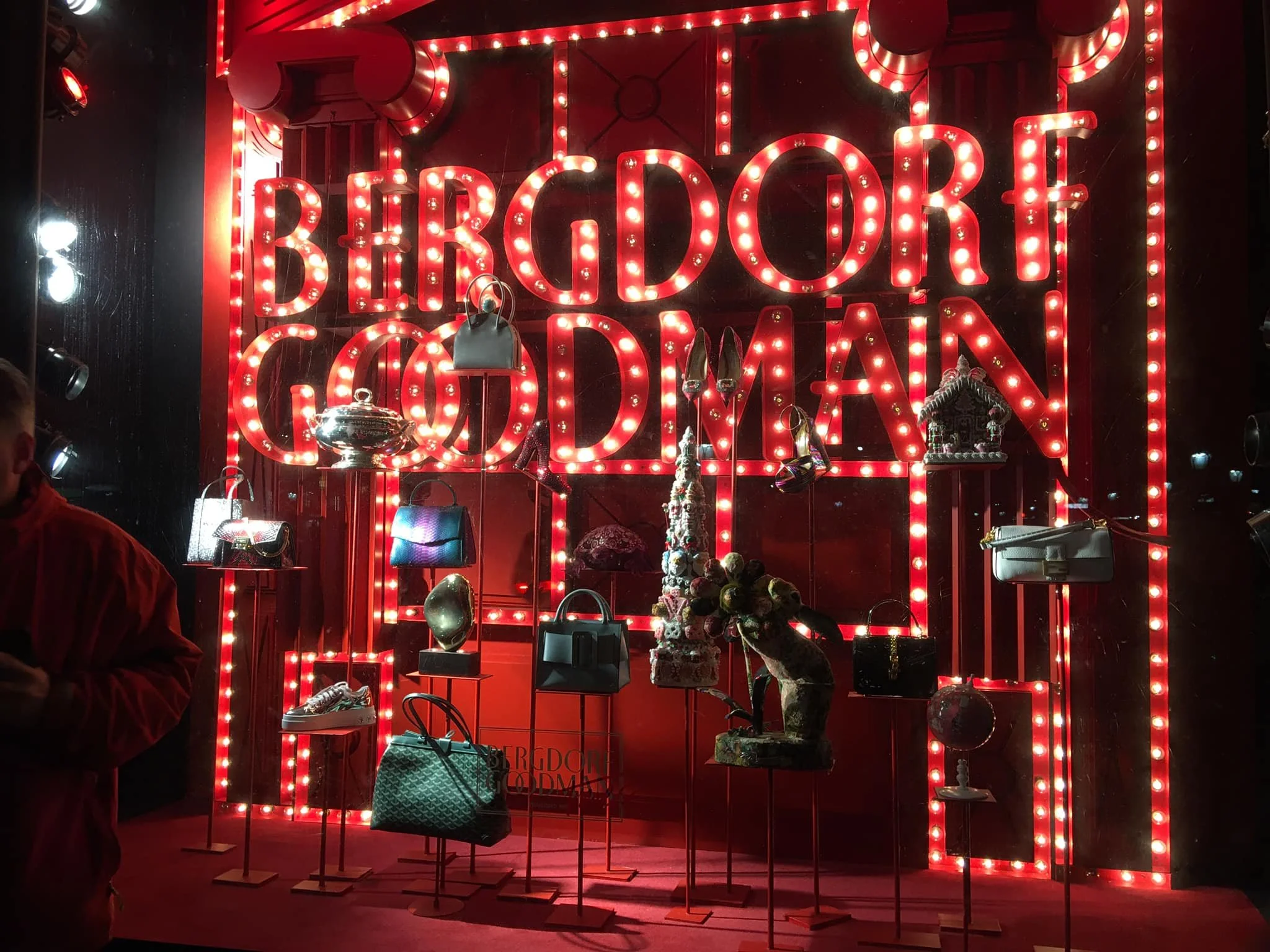
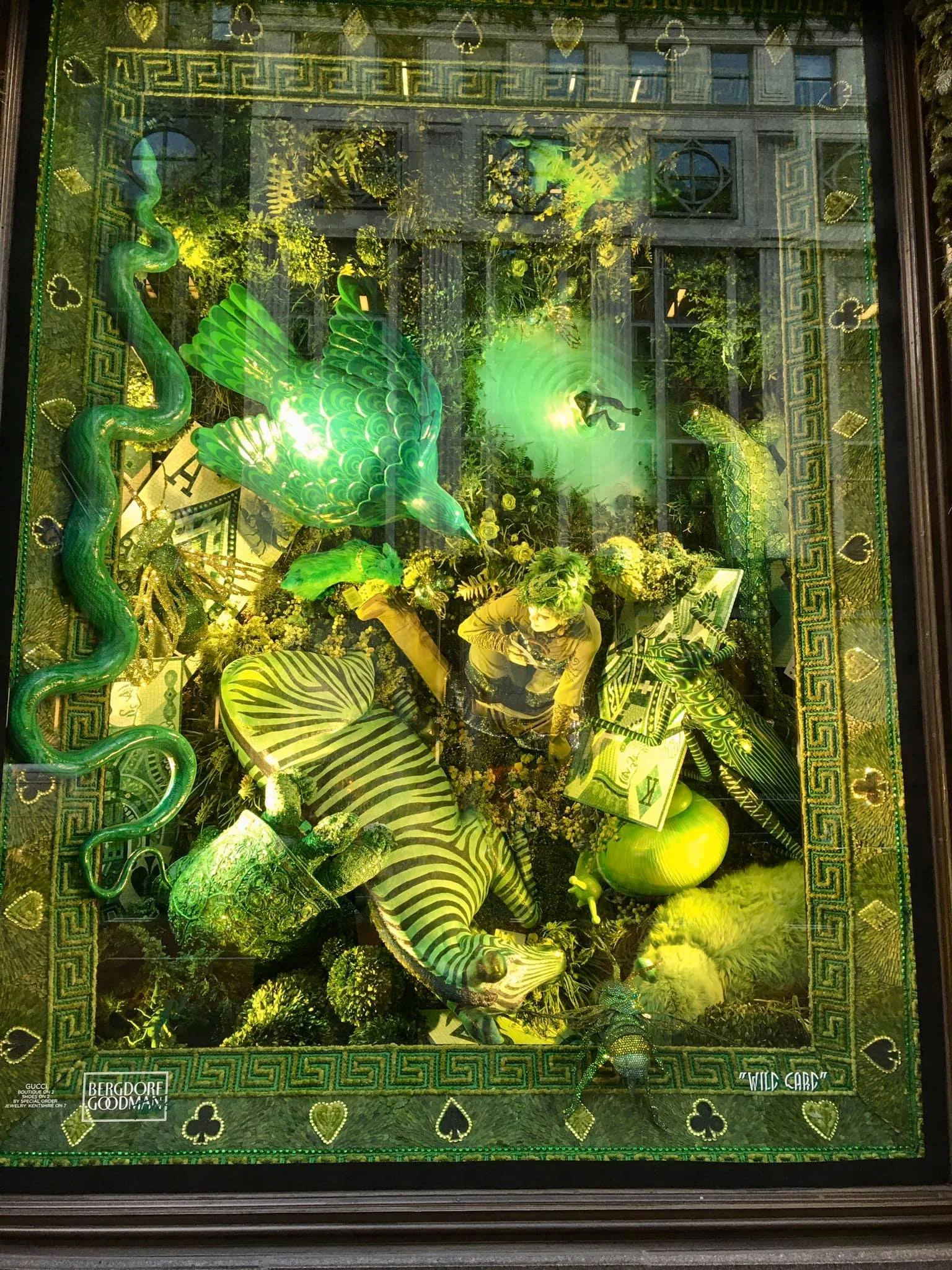
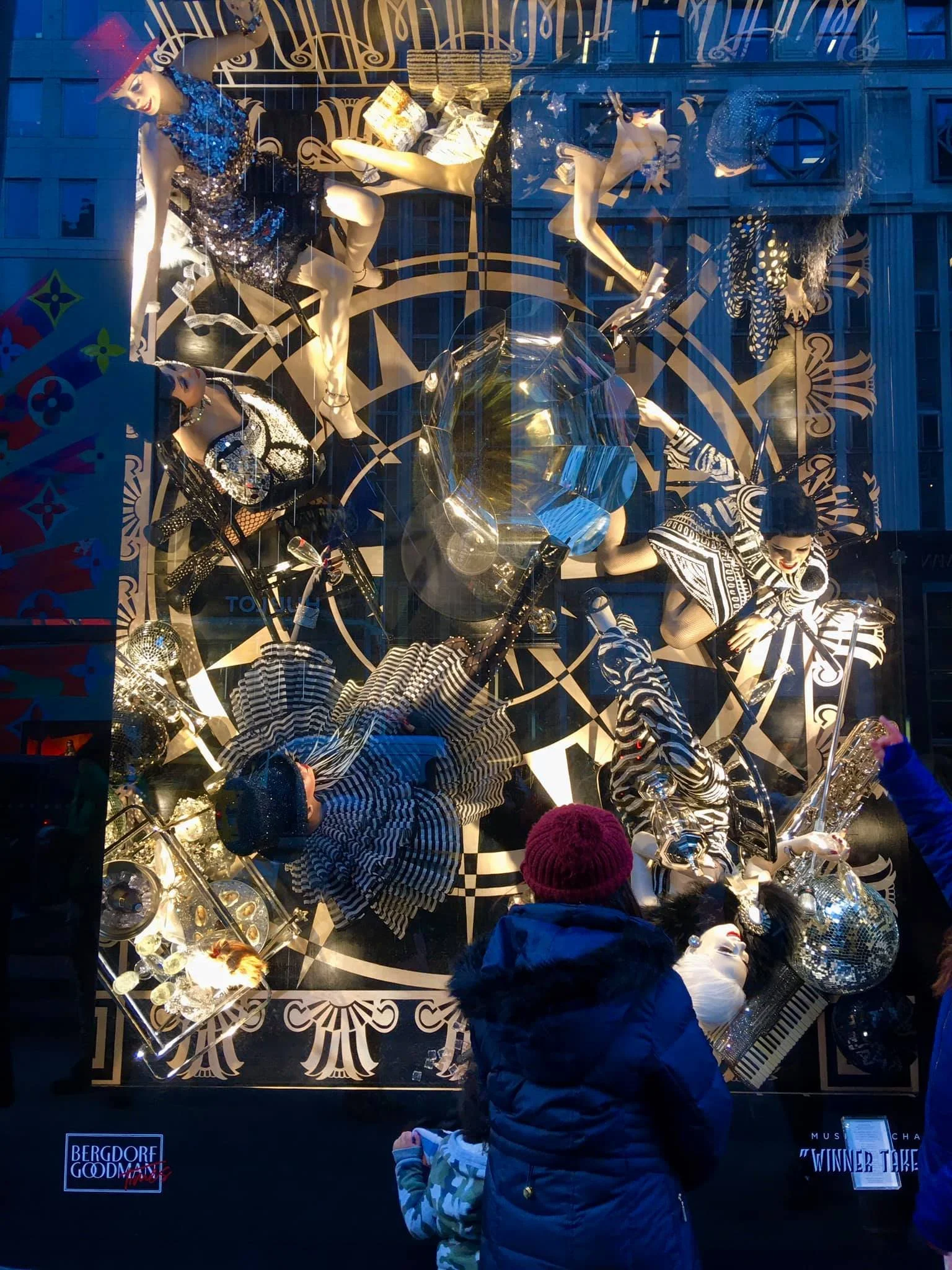
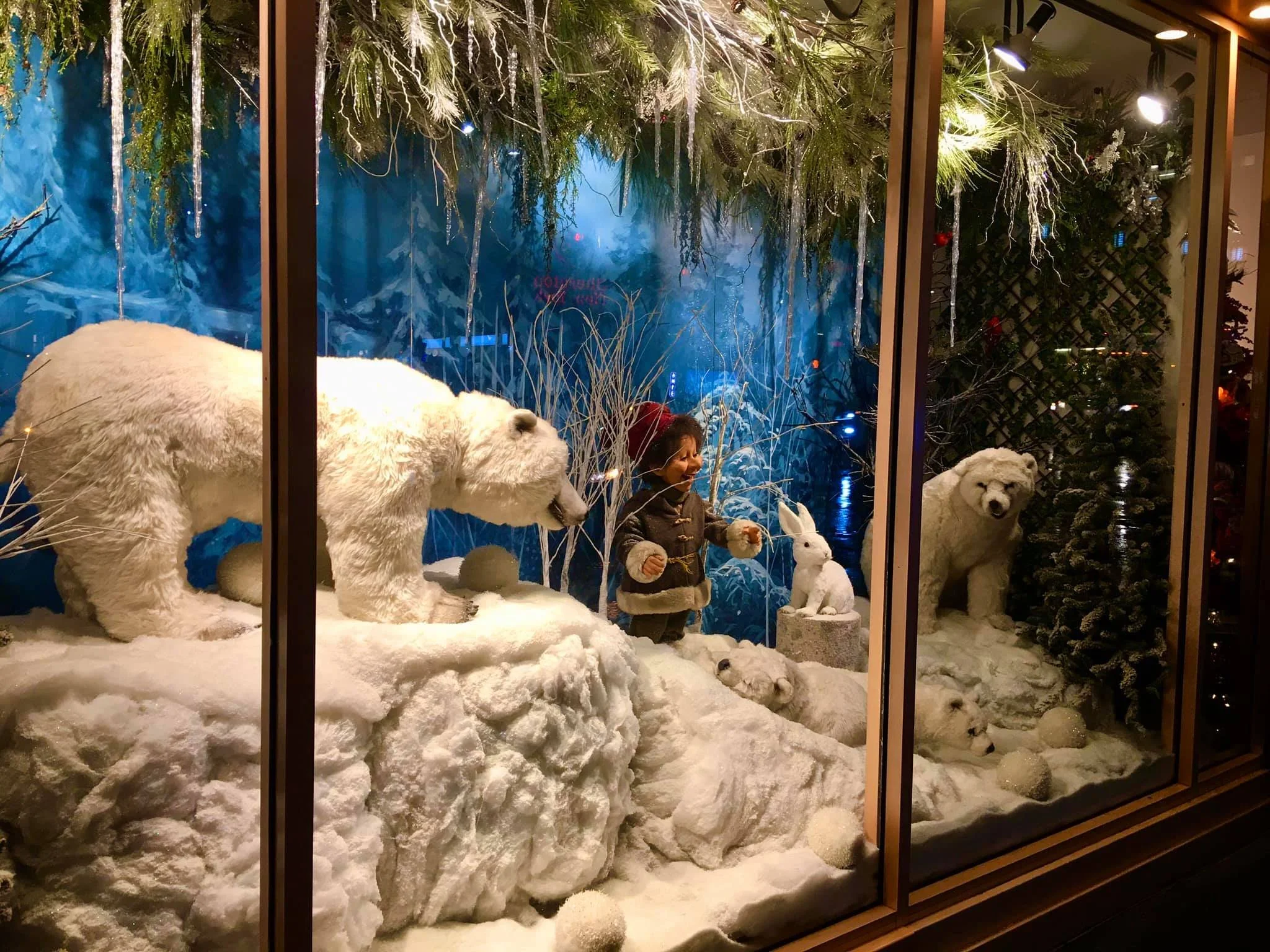
Times Square
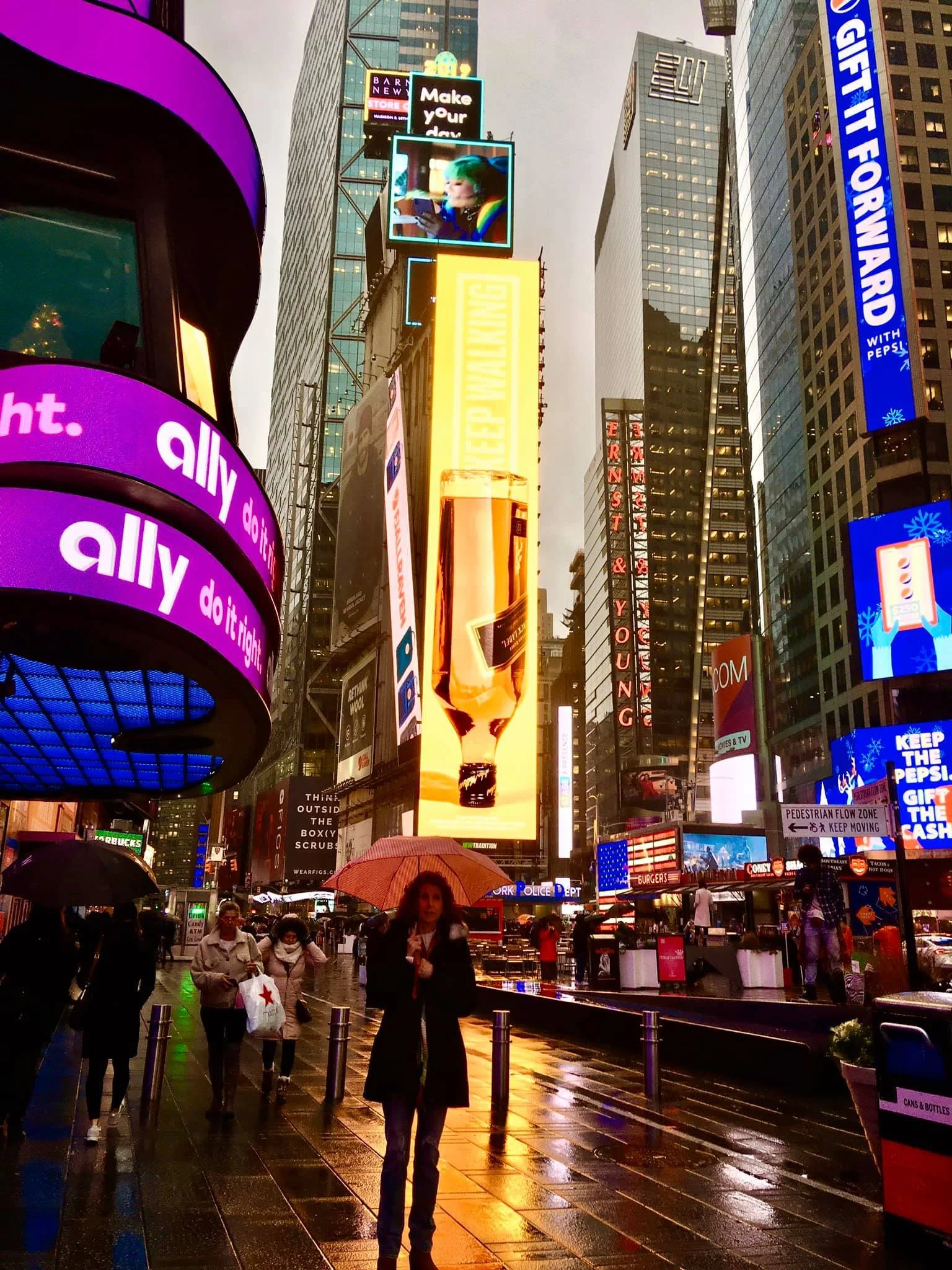
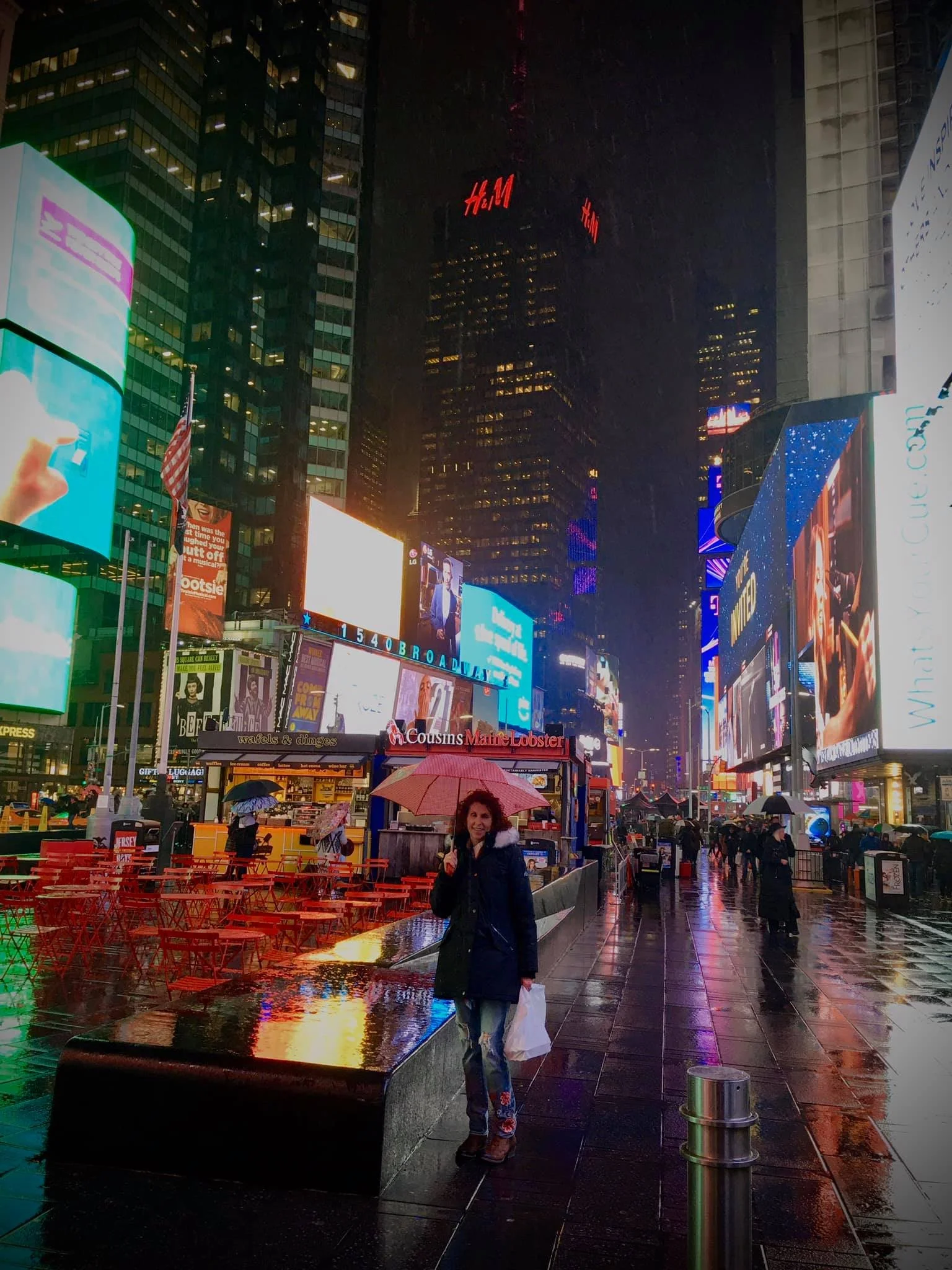
Today, Times Square is home to theater, entertainment, restaurants and shopping, drawing 50 million visitors annually.
But did you ever wonder where Times Square got its name? It was because of Adolph Ochs, raised in Knoxville, TN. He worked for the Knoxville Chronicle as an apprentice printer until, at age 19, he borrowed $250 to obtain a controlling interest in the nearby Chattanooga Times, becoming its publisher.
He was one of the founders of the Southern Associated Press, serving as its president. At the age of 38, in 1896, he learned that The New York Times could be bought at a bargain because of its financial losses and competitors. Once again, he borrowed money—this time $75,000—and purchased the Times. He turned the paper around and placed it on a strong financial footing.
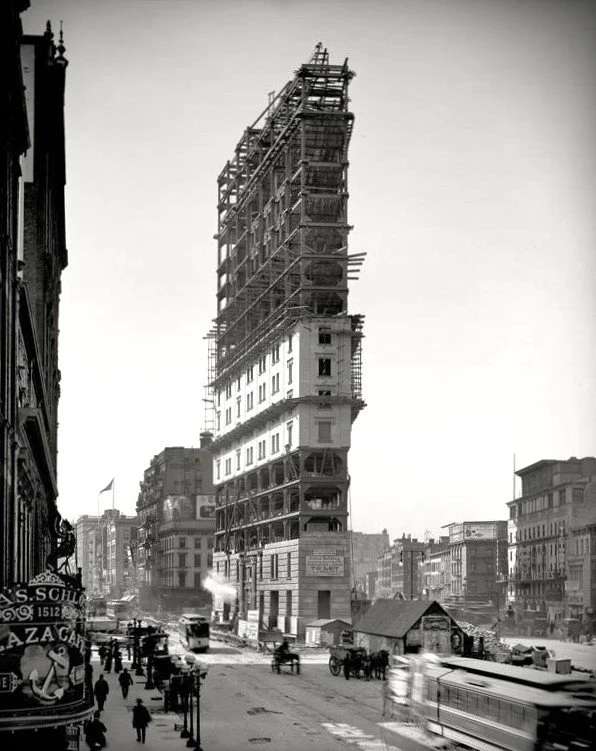
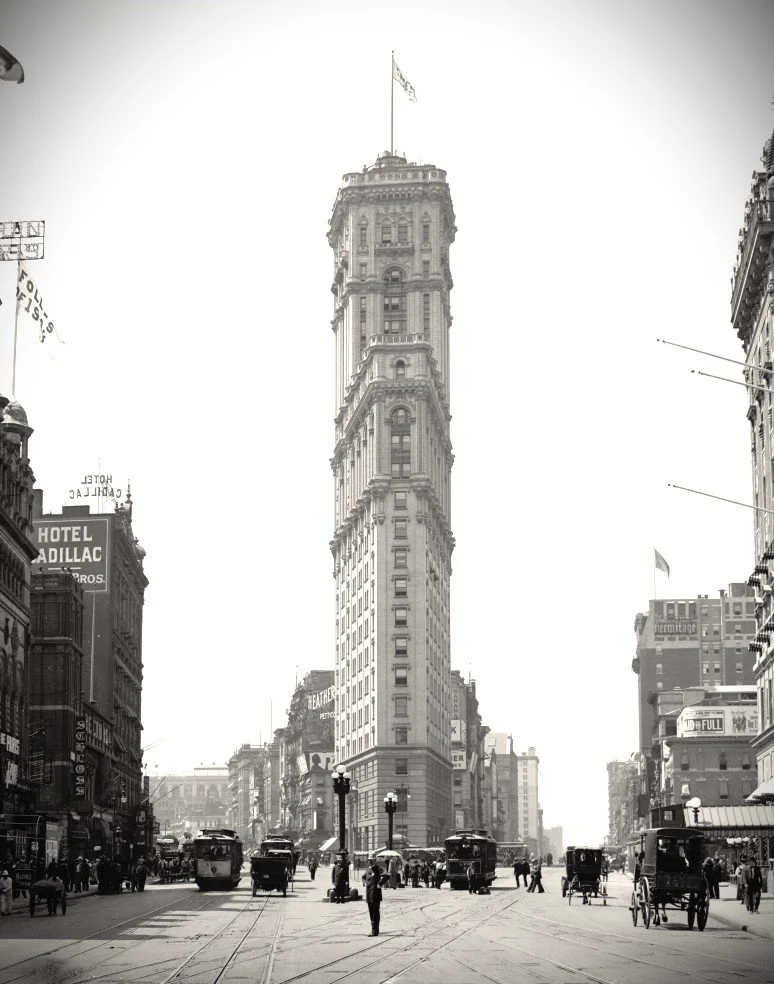
In 1904, he moved the operations to a new skyscraper on 42nd Street built on top of the old Pabst Hotel, and convinced the NYC Mayor to construct a subway station there. The area was renamed “Times Square” on April 8, 1904. Only 3 weeks later, the first electrified advertisement in Times Square appeared on the side of a bank on 46th and Broadway, and the world famous look of Times Square took off.
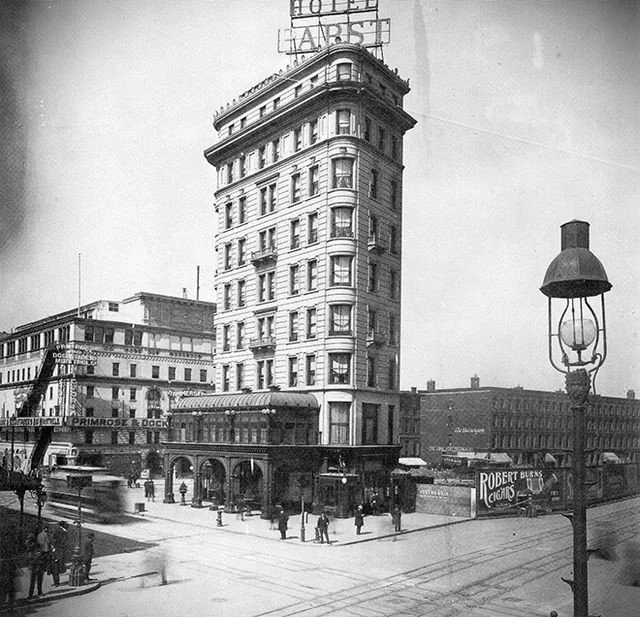
The Pabst Hotel opened in 1899 close to its brewery at 49th Street. In 1902, owner Gustave Pabst, vice president of the brewing company, sold it to Adolph S. Ochs, publisher of The New York Times. The New York Times Building was built on the same triangular plot. The famous New Years Eve Ball Drop occurs here. The Ball Drop was first organized and held on December 1, 1907 by Adolph Ochs, owner of The New York Times, to add to the annual fireworks displays he held at the building on New Years Eve.
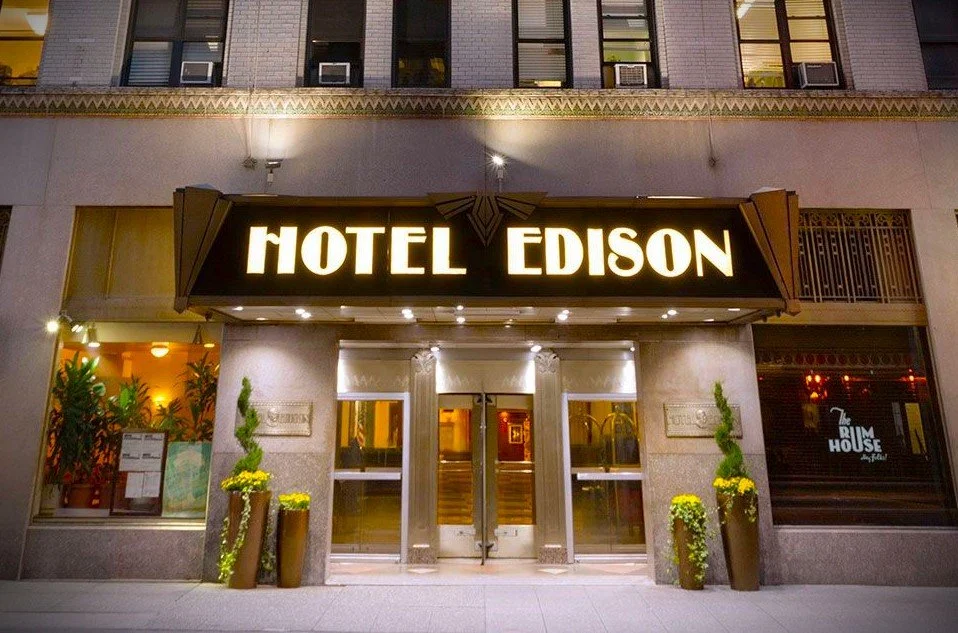
When visiting Times Square, the Hotel Edison is worth a visit, even just to walk through. Located just off Times Square at 47th and Broad, it is an iconic art deco hotel. It was so named because when it opened in 1931, Thomas Edison himself turned on the lights. At times, it is a reasonably priced hotel to stay in.
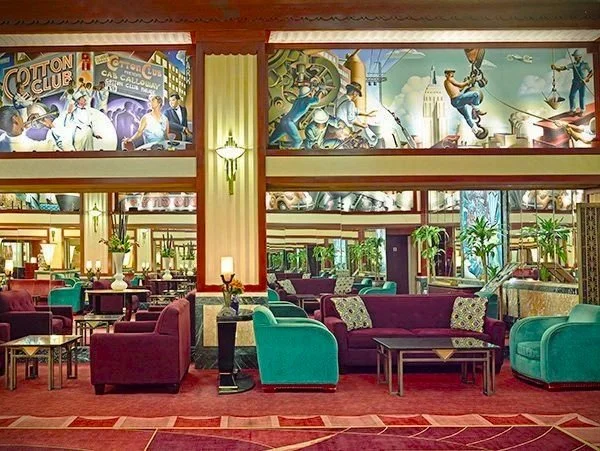
It has an affinity for movie locations. The hallway walking scene before Luca Brasi's murder in the The Godfather was filmed in the hotel. It was also the penthouse in Woody Allen's 1994 film Bullets over Broadway. Michael Keaton is drinking at the hotel's bar, in the 2014 film Birdman.
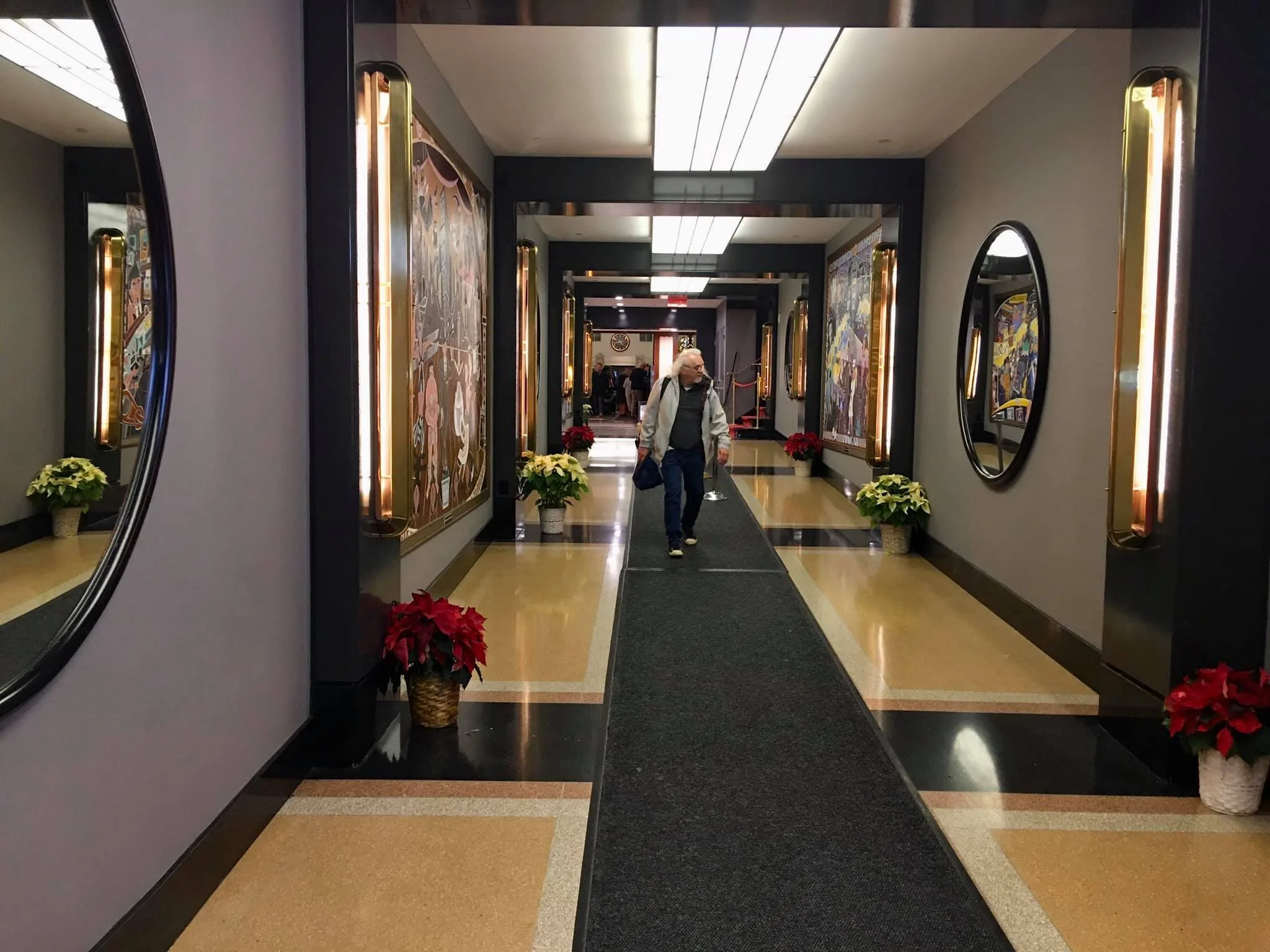
The hallway Luca Brasi walked down before being murdered in the Godfather movie.
Interactive Map
Here’s an interactive map you can use to visualize where the locations you want to visit are from one another. Just click on More options (in blue letters in upper left corner of map) and that will open up the map to where you can enter whatever location you want and move the locations up or down to change the order and help organize your travel priority. The map is also useful in finding where restaurants are in relation to your location.
The Cost of Staying and Eating in NYC does not come cheaply. To save you time, we have spent a LOT of research trying to find places to stay that are conveniently located yet reasonably priced for the area and still highly rated by a significant number of travelers who commented on Trip Advisor. Here’s our suggestions:
Places to Stay
Uptown
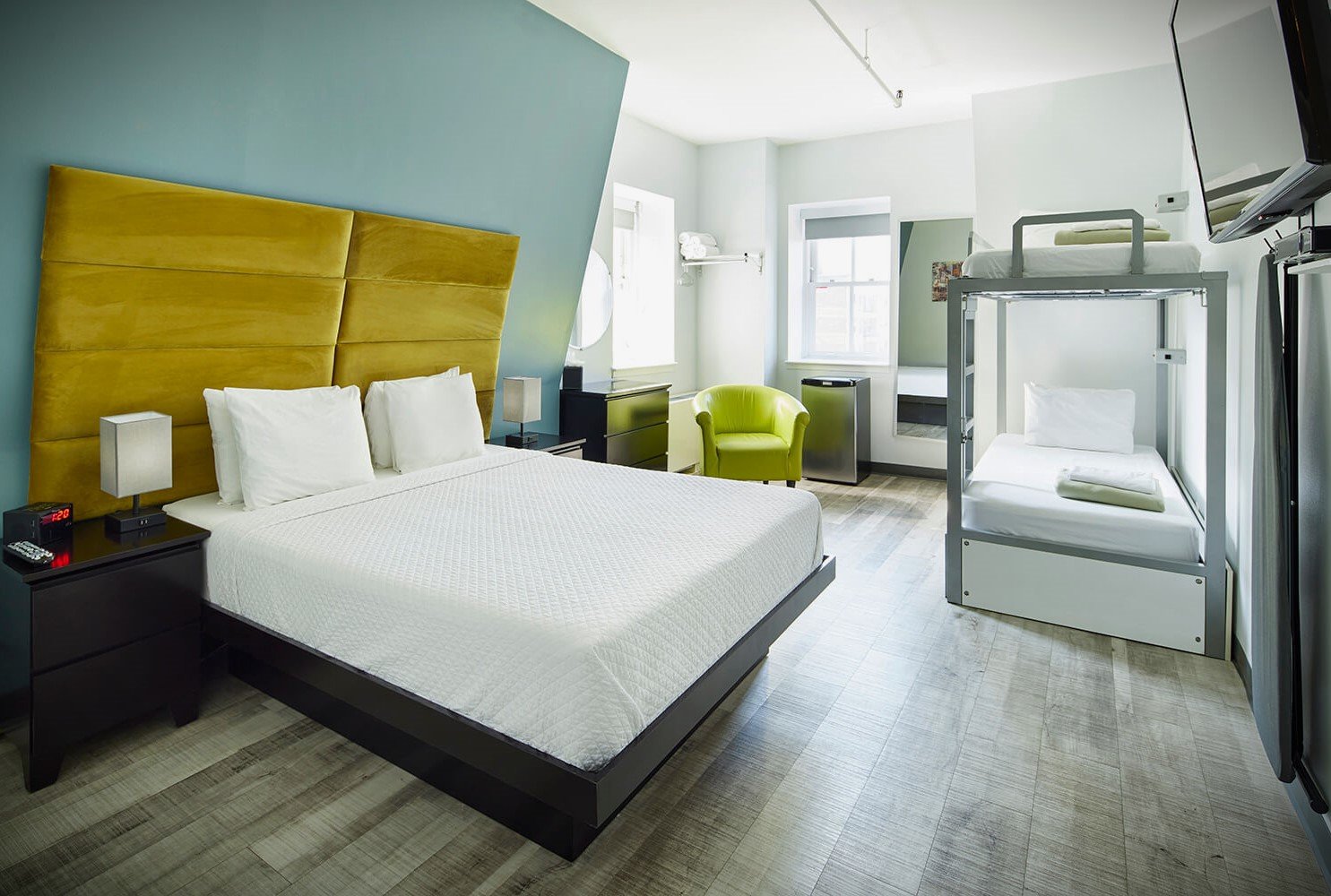
Hostels—A hostel is a budget-friendly type of accommodation that typically offers shared dormitory-style rooms, although some do offer private rooms, and communal facilities like kitchens and bathrooms. We prefer more privacy. But if you are ok with that for saving money, here’s a few we found that got good reviews: Hi NYC Hostel, Nap York, and Kama Central Park Hosta
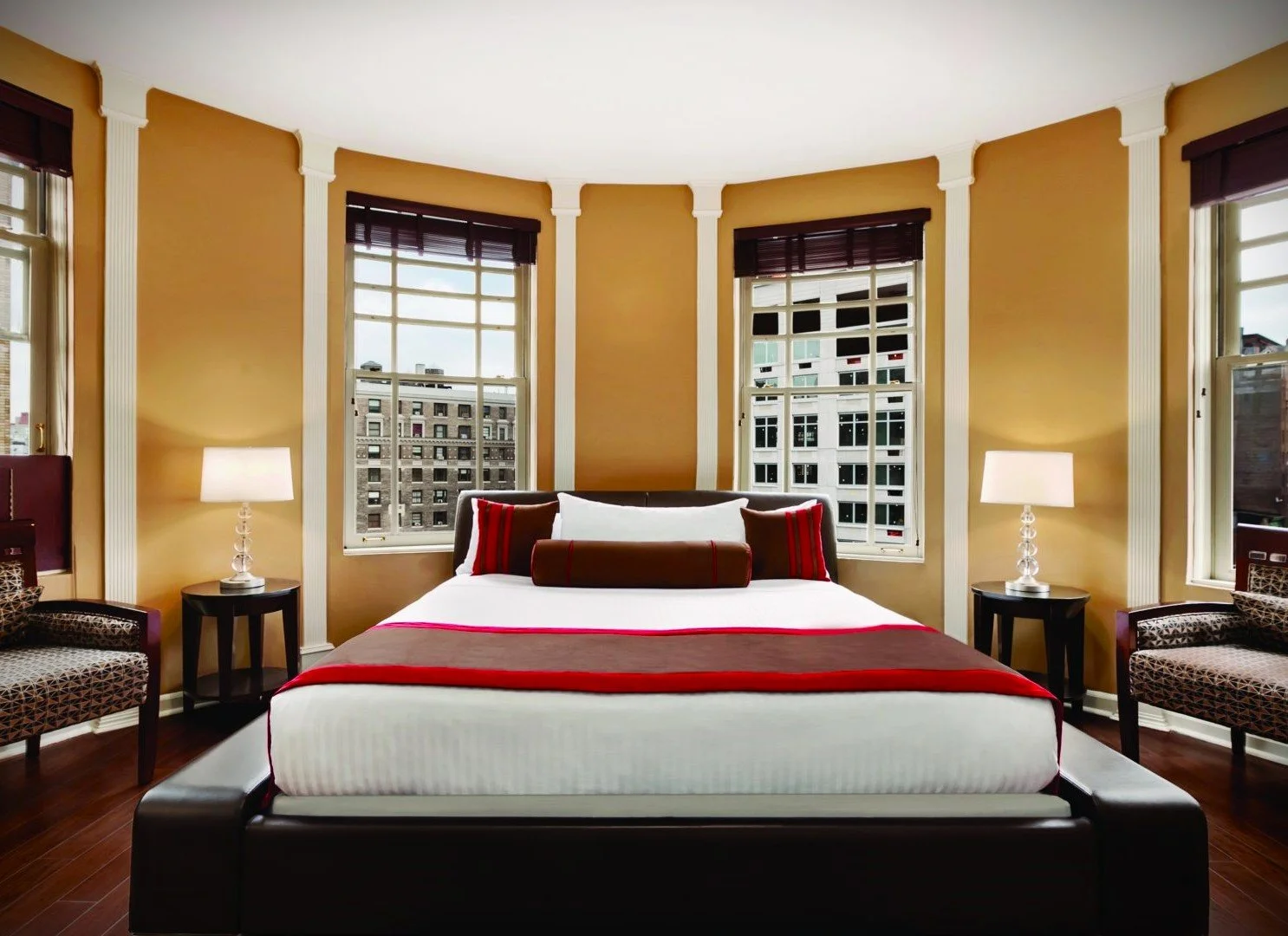
Hotels—Hotel Belleclaire, The Lucerne and Hotel Beacon are well done yet reasonably priced, historic hotels only 3 blocks from mid-Central Park. The Belleclaire opened in 1903 and has a storied history with former guests like Mark Twain, Maxim Gorky, and Babe Ruth. Yet another is The Wallace, a luxury botique hotel also 3 blocks from mid-Central Park. Hotel Beacon and Park Central are two other good choices just off the south end of Central Park. La Quinta Inn Central Park is on the block in the middle of the park.
Midtown
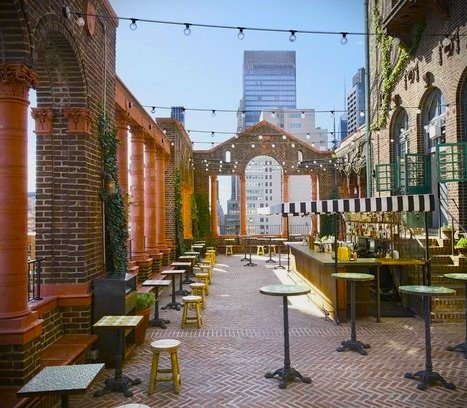
Hostels—Pod 51 Hotel is modern, crisp and clean with 348 rooms, most of them private with private baths for a budget price. Chelsea International Hosta has private rooms and dorms. Close to the Empire State Building, Pod 39 offers similar benefits with a beautiful and unique rooftop lounge. Don’t discount the YMCA in certain instances. The West Side YMCA is very basic, but close to Central Park and has good reviews.
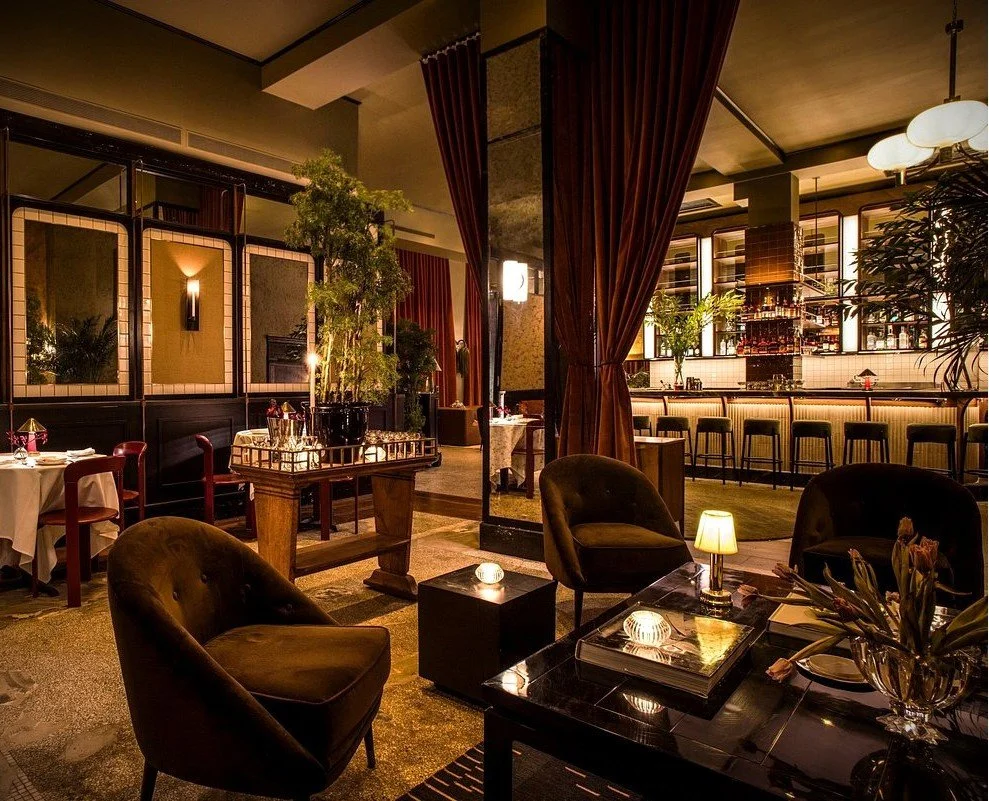
Hotels—Paying homage to Evelyn Nesbit — the Gibson Girl of her era —The Evelyn Hotel is in the Art Nouveau style of the early 1900's. Likewise, The Edison Hotel, just off Times Square is so Art Nouveau it was used in the movie, The Godfather. The Riu Plaza Hotel though, is right smack dab on Times Square. A number of Hotels that met our criteria are in the general area of Times Square, Rockefeller Center and the Empire State Building. They include: Broadway Plaza, The Kixby, Fairfield Inn Manhattan Chelsea, Cambria Hotel Chelsea, Hotel St. James, Homewood Suites NYC Midtown, Broadway Plaza, The Ace, La Quinta Inn Times Square, Candlewood Suites Times Square, Hampton Times Square, Hampton Madison Square Gardens and The Pearl.
Downtown
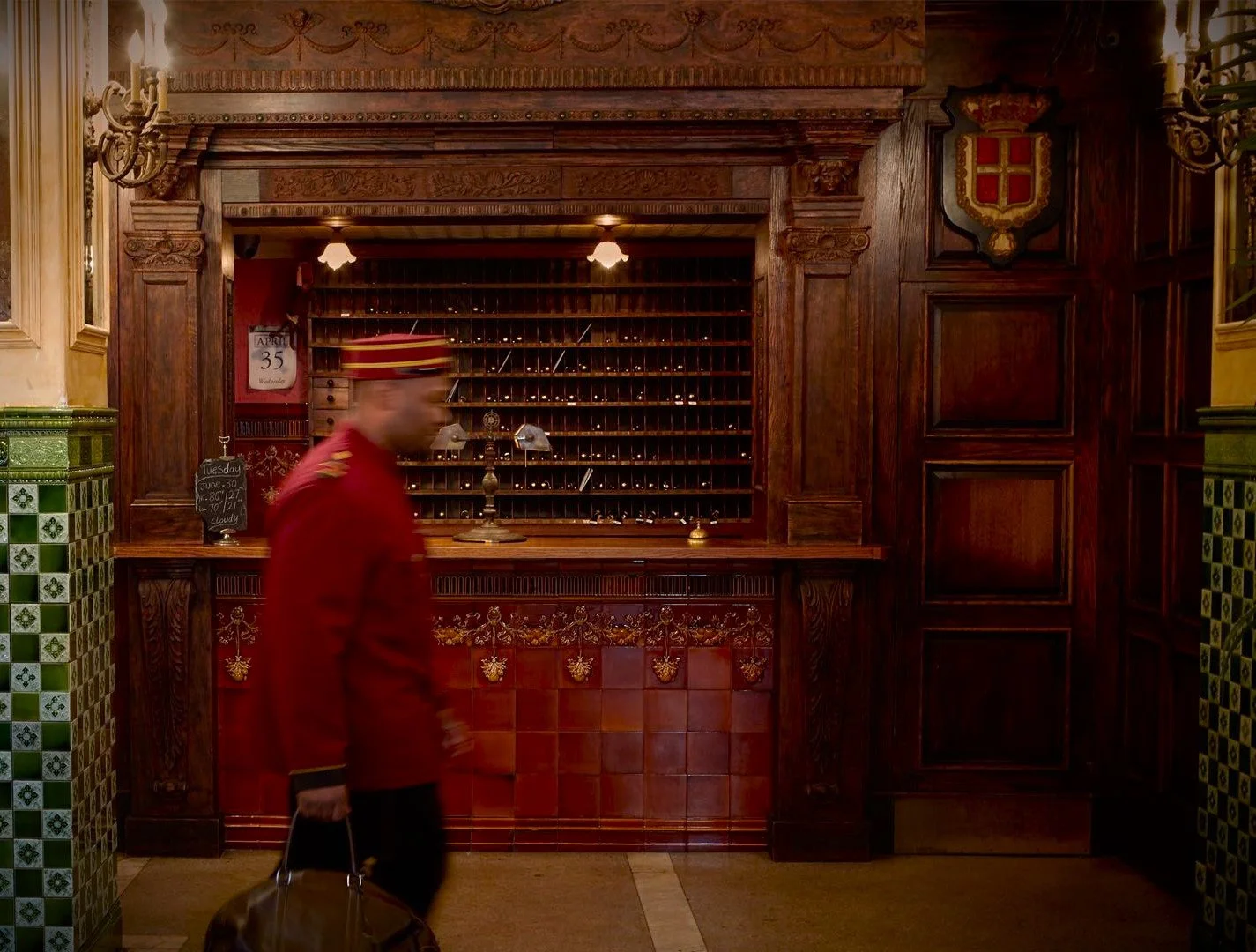
Hotels—For history buffs, The Jane Hotel is an historic hotel on the waterfront originally built as a home for sailors, where survivors of the Titanic stayed while the inquiries were going on. The Chelsea Pines is only a few blocks away. The Millennium Hotel lets you conveniently stay by the 9/11 Memorial, not far from the launch to Ellis Island and the Statue of Liberty. The Artezen Hotel is also in close proximity. The Club Quarters Hotel is at the World Trade Center. Also in the financial district is the Hampton Inn Manhattan and Doubletree by Hilton. You can stay one block from Wall Street at the Mint House at 70 Pine.
Places to Eat
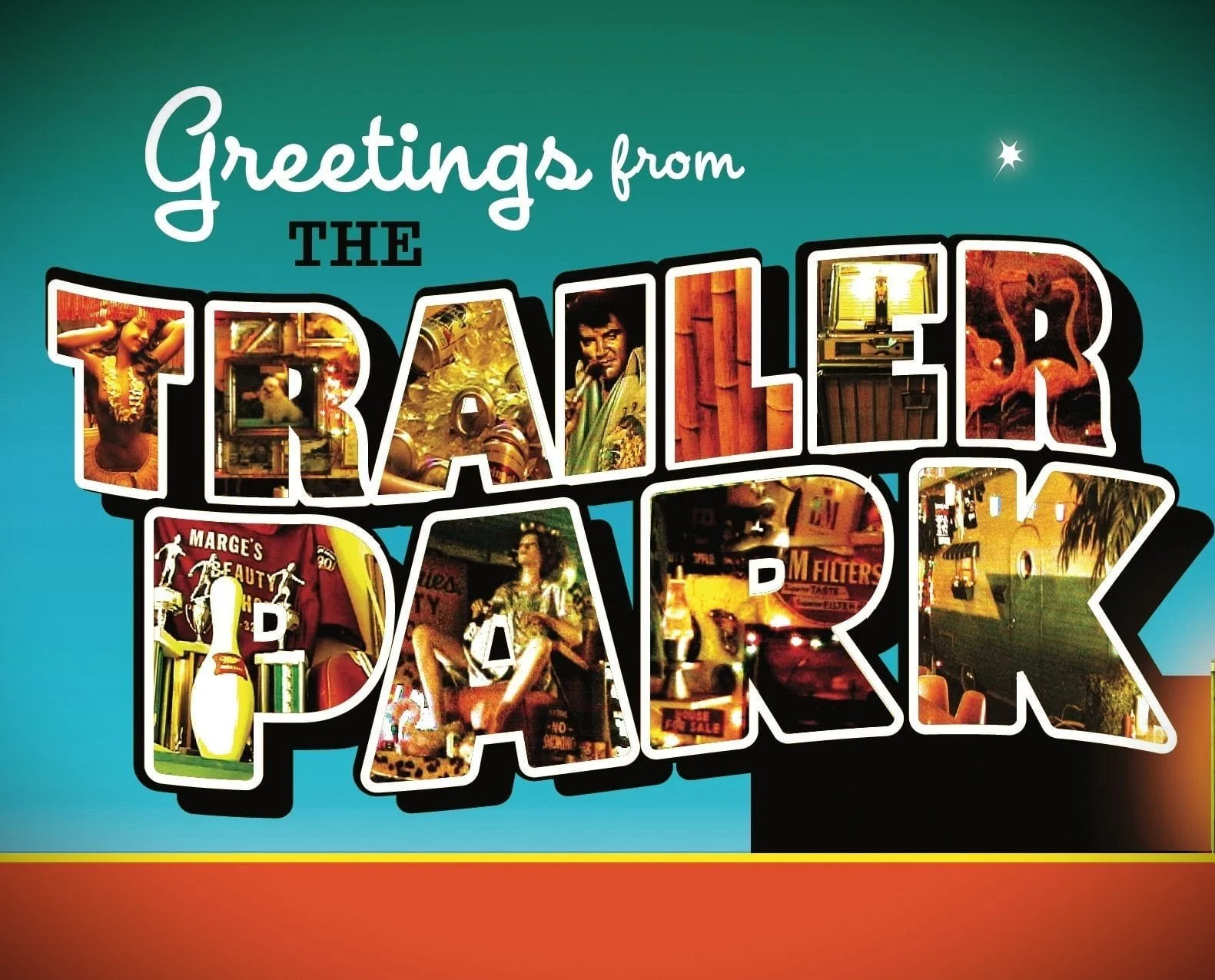
Trailer Park Lounge— Festive and all American with a trailer park theme. Large portions of all day breakfasts, burgers and fries, shakes, sundaes and other creative drinks are served up on a “collectible” take home placemat. Named one of the top 5 “kitscheist” restaurants in the USA by Food Network.
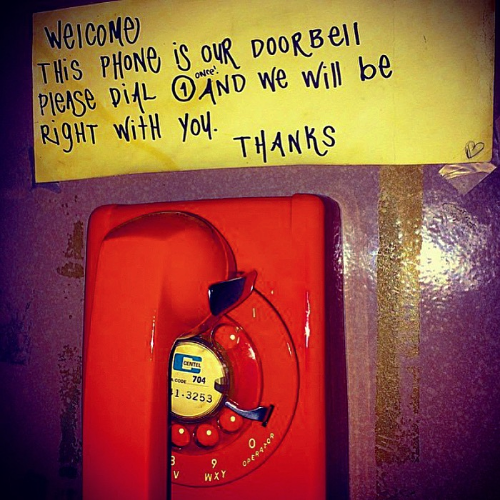
Please Don’t Tell—Just like the Speakeasys of the roaring 20s, the only way in this place is through a secret door in a phone booth sitting inside a hot dog joint, Crif Dogs, that serves a variety of signature hot dogs! Getting into Please Don’t Tell is by RESERVATION ONLY, and not easy to come by!
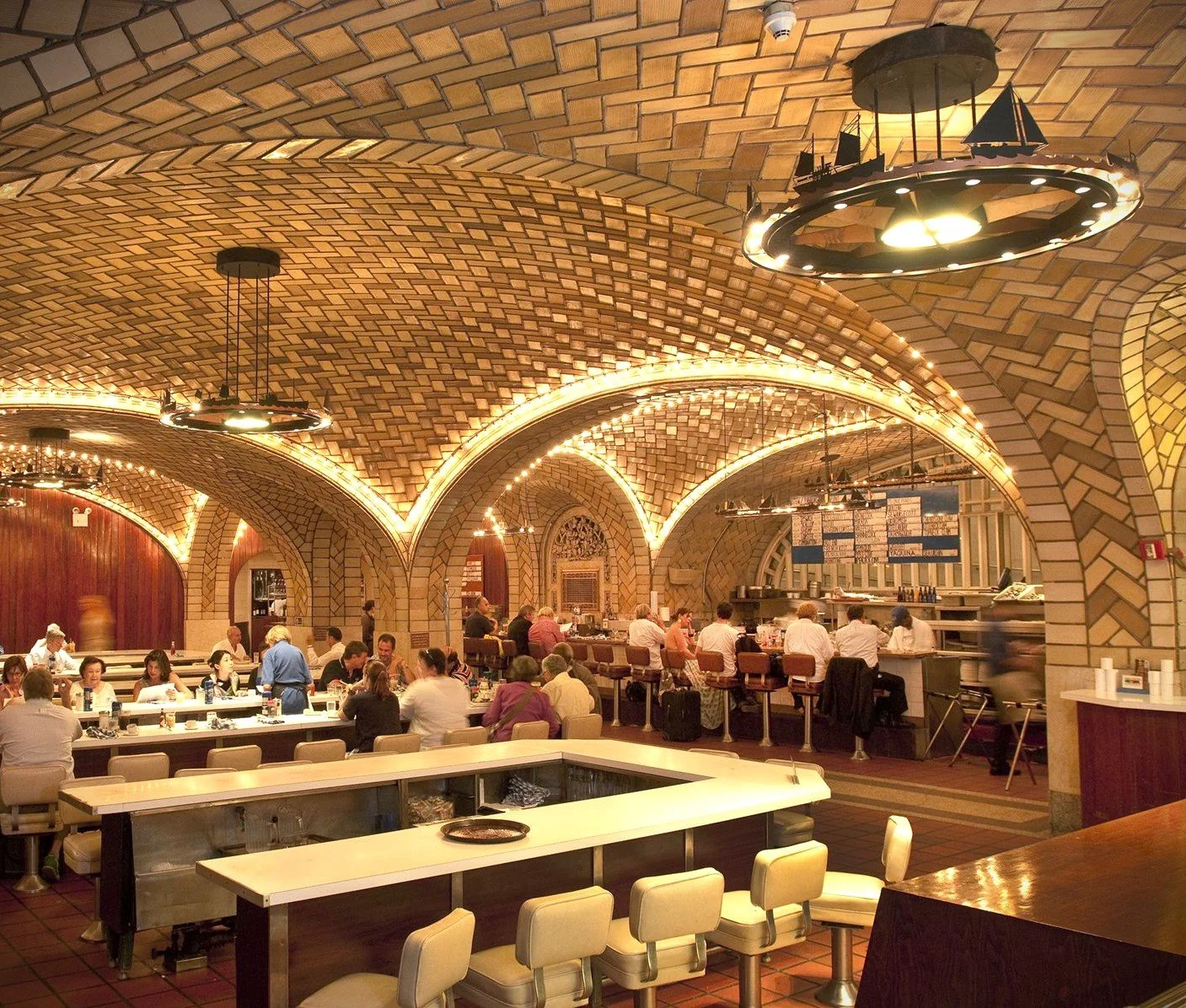
Grand Central Oyster Bar and Restaurant— First opened in 1913 inside the Grand Central Terminal, Grand Central Oyster Bar has been serving up quality, fresh seafood ever since in its unique and historic surroundings with captivating vaulted ceilings.
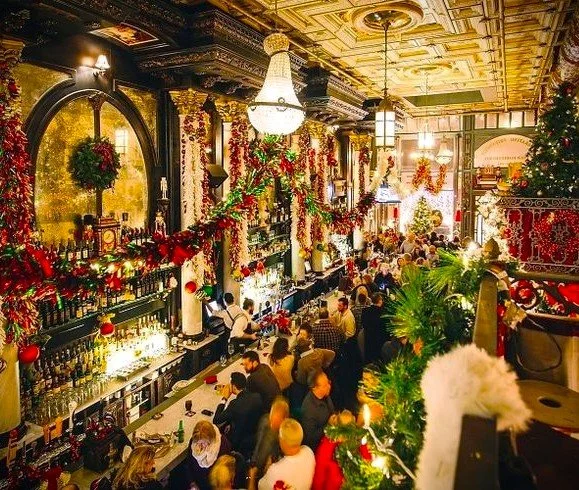
Lillie’s Victorian Establishment— Live your Victorian fantasies in this unique restaurant! Named after Lillie Langtry, a famous Victorian Actress made more famous by Judge Roy Bean. Lillie’s serves American cuisine only steps away from Times Square.
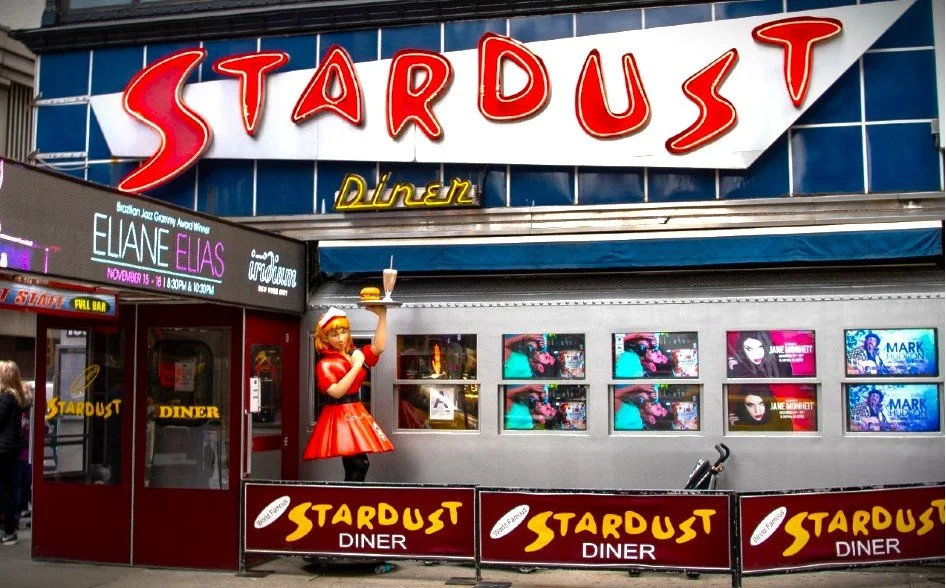
Ellen’s Stardust Diner—A retro 1950s themed restaurant in the Theater District, Stardust Diner contains retro-themed memorabilia such as photos of many past Miss Subways on the walls and a “drive-in theater” screen that showcases performances from the 1950s. Great food in a fun atmosphere!
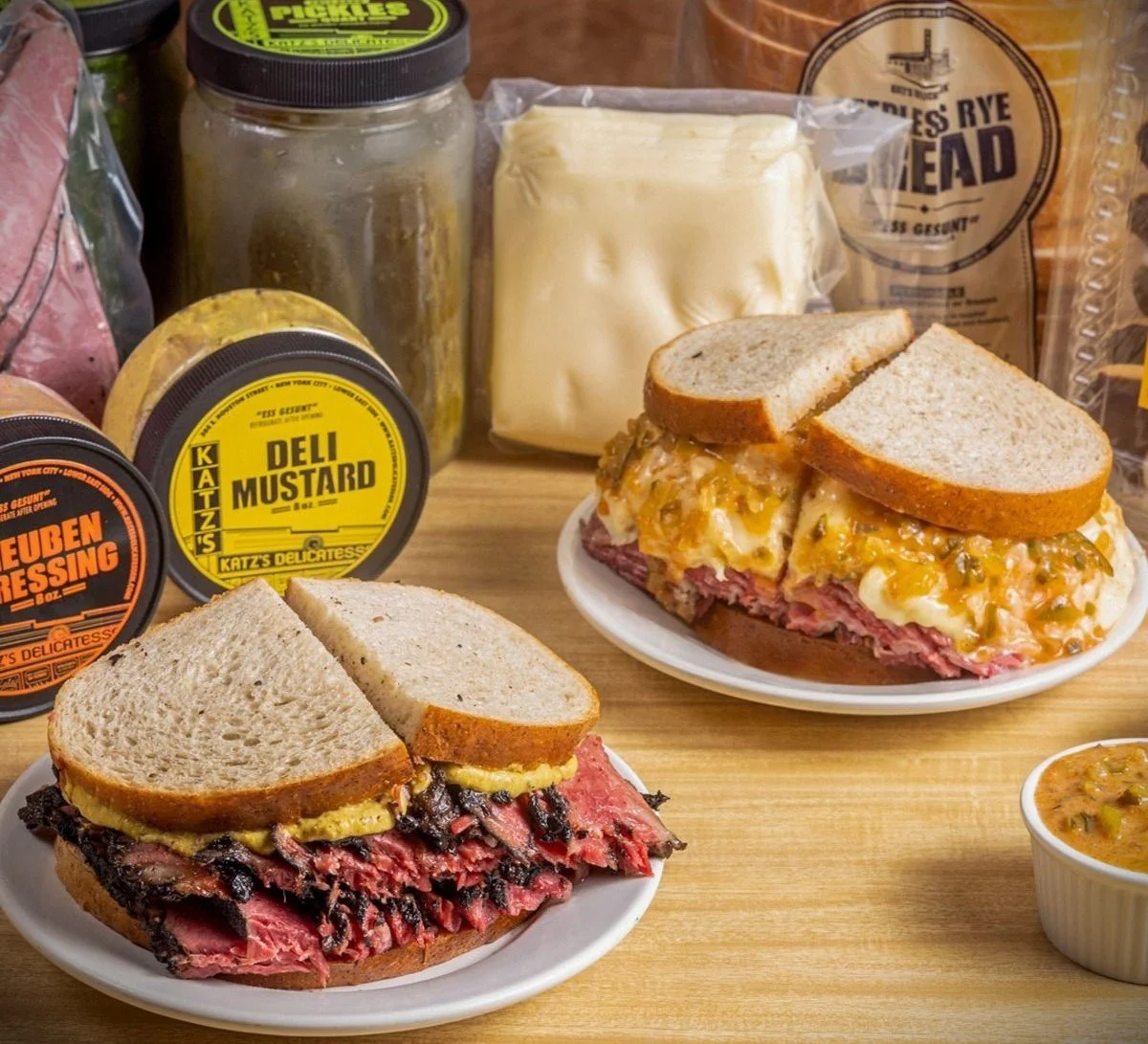
Katz Deli—In business since 1888, this is New York’s oldest Deli. Here, you can find all foods Jewish, like the decadent pastrami sandwich they built their reputation on, along with knockwurst, soups and breakfasts. The walls of Katz are lined with celebrity photos who have enjoyed this experience.
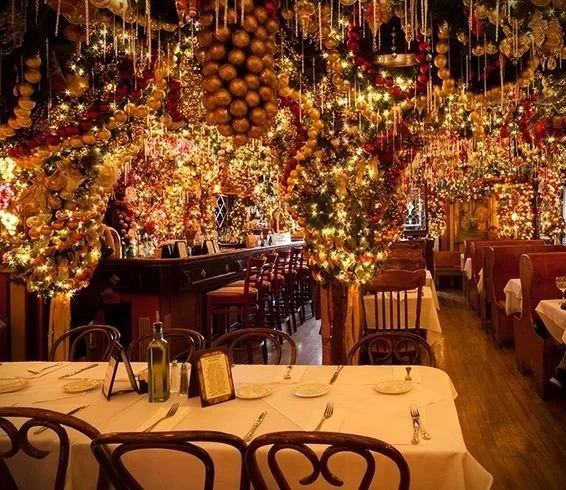
Rolf’s German Restaurant—With over 200,000 lights and vintage Christmas ornaments, wreaths, dolls and ribbons, Rolf’s is often called NY’s most festive restaurant, serving a large variety of German food, along with seafood and poultry.
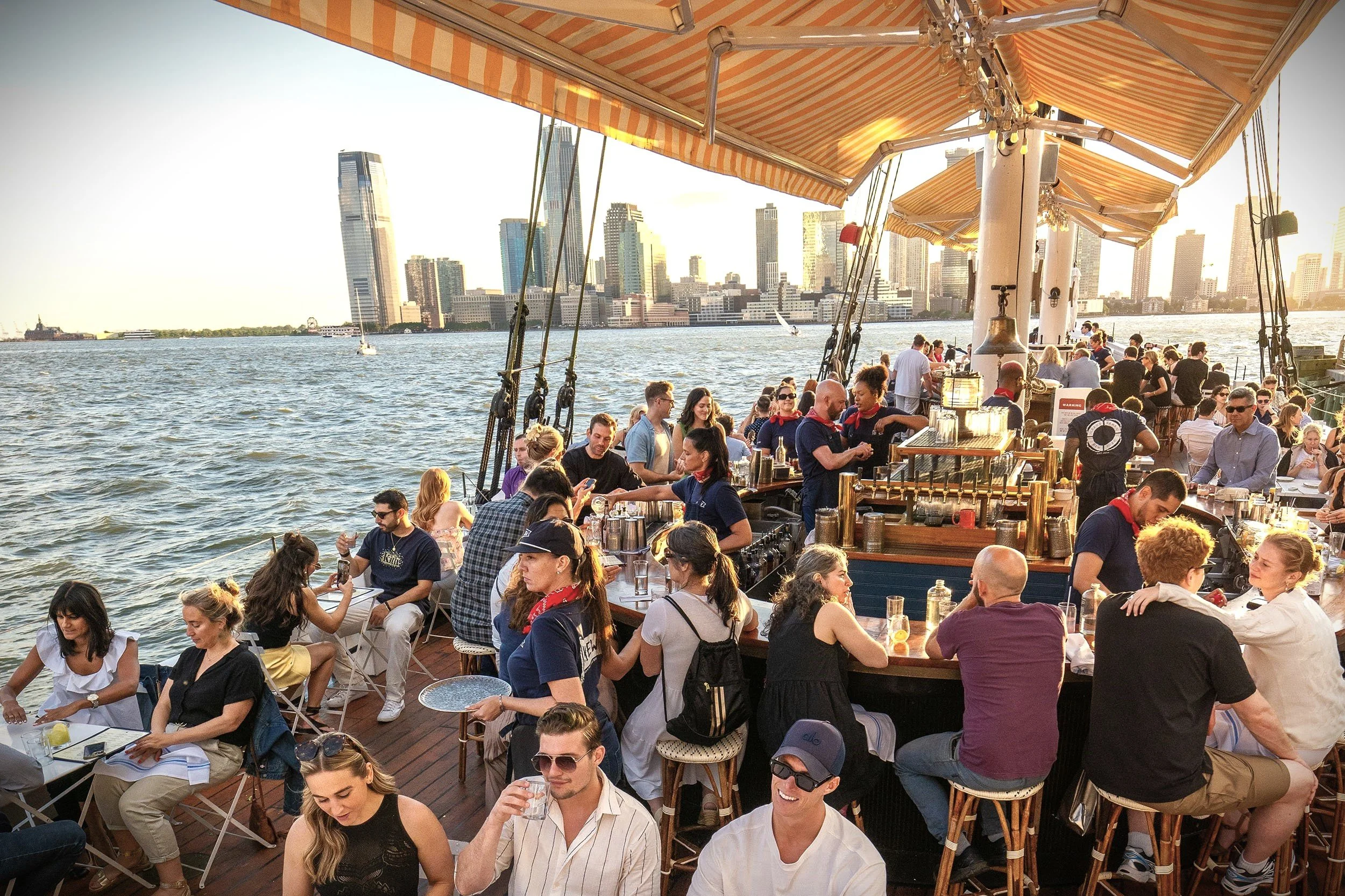
Grand Banks Oyster Bar—For summer fun, a historic wooden schooner serves up oysters and seafood, while docked at Pier 25, modeled after the oyster barges found on the waterfront in the 19th century, floating on the water.
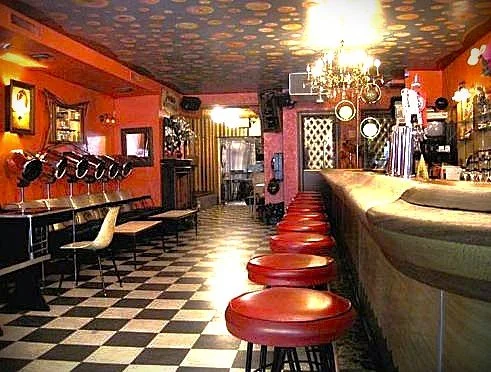
Beauty Bar—For a classic drink and a manicure, drop in to the Beauty Bar, on 231 E 14th Street at the border of Downtown and Uptown. They “paint” an interesting story there.
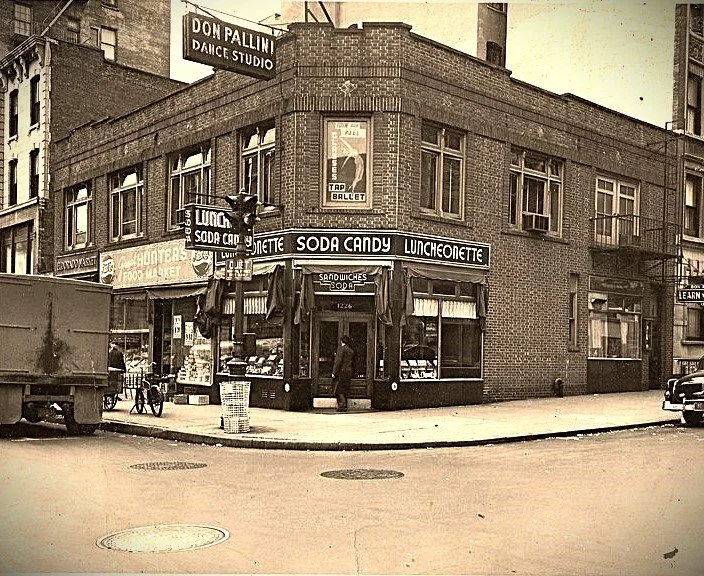
Lexington Candy Shop—In continous operation for 100 years, Lexington Candy Shop still carries the tradition and ambience of the old soda fountain and lunchionette. Serving up good grub and ice cream soda fountain classics just east of upper Central Park.
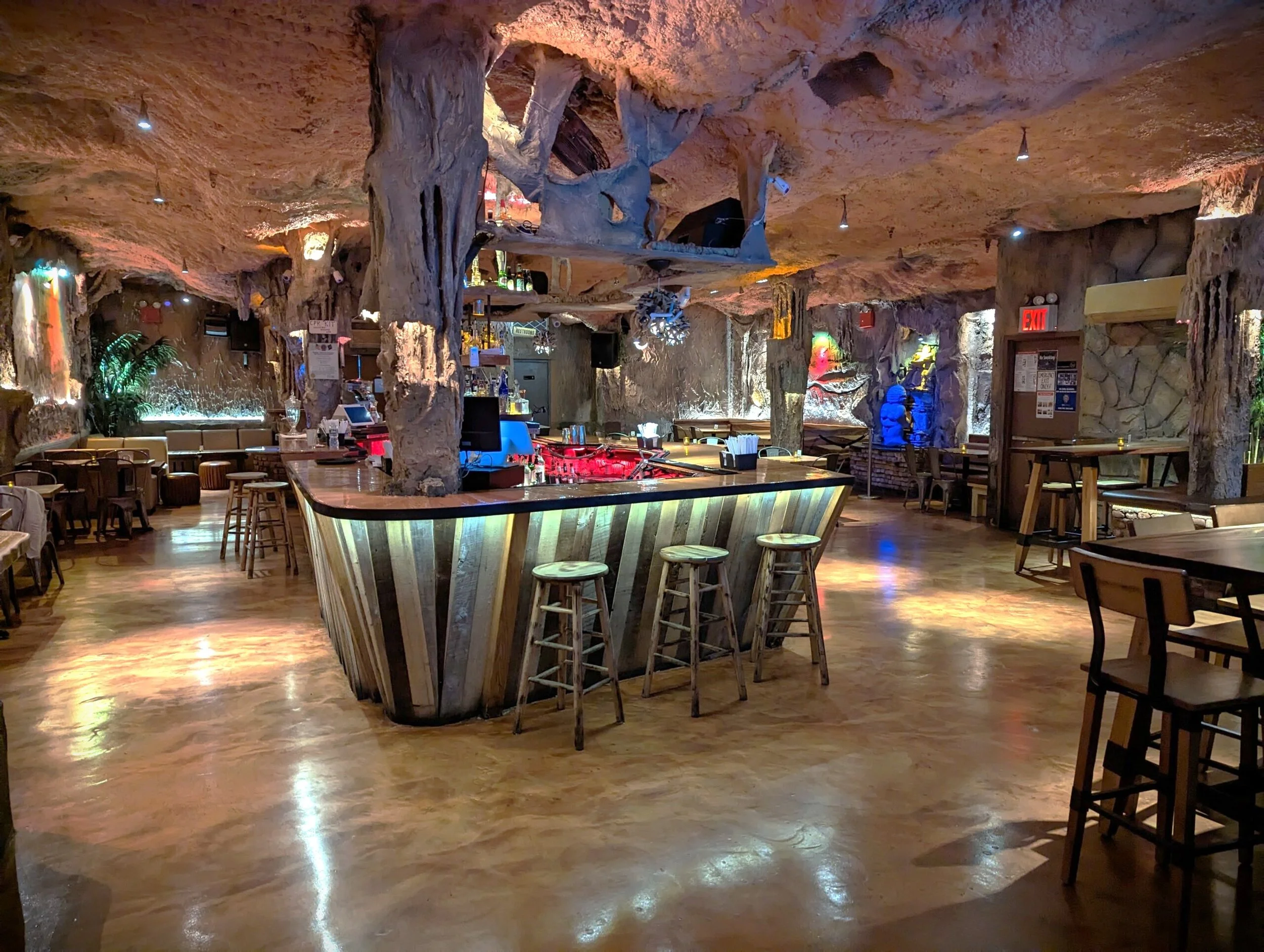
La Caverna—This is a reasonably priced Mexican restaurant that serves dinner only by reservation. It’s uniquely located in a basement styled like a prehistoric cave.
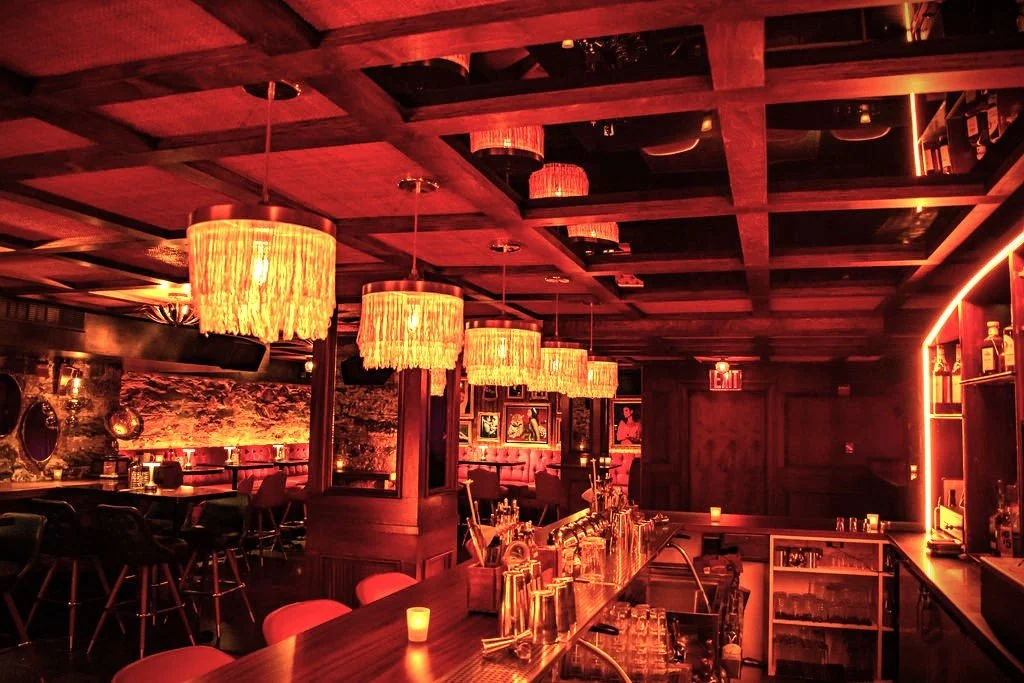
Previously Highlighted Restaurants—Lombardi’s, Ray’s Pizza, the oldest Irish Pub in NYC…McSorely’s, and Tanner Smith’s and Polly’s Speakeasy underneath Tanner Smith’s. Quick bites can be had at numerous bodegas and delis all over the city.
Thanks for Joining Us!
Next month, get ready to visit where the Pilgrims landed and get a grip on the beginnings of the Northeast as we know it today. From there, we travel up the Coast of Maine, exploring the Peninsulas and the idyllic fishing and lobster villages along the Rugged Coastline! We’ll experience plenty of Interesting Stops, Restaurants and Places to Stay on the Backways and Byways along the way!
NO RISK GUARANTEE
Each month, you will receive your subscription via a link through your email. Upon receipt of your first information, you have 45 days to examine the first two installments. If you are not satisfied, please email us at EmailBackways@gmail.com within that time with the reason for your dissatisfaction and we will gladly refund your money. Or, if you wish, we will attempt to make changes to meet your needs. We want everyone to be completely and totally satisfied with the value of their subscription.